Energy&Economy
Russia, Turkey: TurkStream launched.
8 Jan 2020The presidents of Turkey and Russia formally launched the TurkStream pipeline which will carry Russian natural gas to southern Europe through Turkey, part of Moscow’s efforts to reduce shipments via Ukraine.
The pipeline project, stretching 930 kilometers (580 miles) across the Black Sea, reinforces strong energy ties between Moscow and Ankara
TurkStream directly connects the large gas reserves in Russia to the Turkish gas transportation network, to provide reliable energy supplies for Turkey, south and southeast Europe.
The offshore component of the system consists of two parallel pipelines running through
the Black Sea. The pipelines
enter the water near Anapa, on the Russian coast, and come ashore
on the Turkish coast in the Thrace
region, near the town of Kiyikoy
(20 Kms from the Bulgarian border).
Russian gas producer Gazprom will ship about 3 billion cubic
meters (bcm) of gas per year to Bulgaria via TurkStream, replacing a route that formerly passed through Ukraine
and Romania.
Gazprom shipped about 3 bcm to Greece and about 500,000 mcm to North Macedonia via that route in 2019.
Russia is building TurkStream in two pipelines, each with an annual capacity of 15.75 bcm. The first pipeline will supply Turkey and the second will extend from Bulgaria to Serbia and Hungary. Bulgaria hopes to be able to make shipments to Serbia by May 2020 and build the whole section by year-end.
Russia and Ukraine have signed a five-year, $7
billion deal on the transit of Russian natural gas to west. About 40 percent of the 200 billion cubic meters (bcm)
of gas that Russia has sent
to Europe annually has been transmitted via Ukraine’s vast network of
pipelines.
Under the new contract, Kyiv next year
is expecting to ship a minimum of 65 bcm,
or about 22 bcm less than it did in 2018.
Minimum volumes will decrease
further to 40 bcm in 2021-24.
The new deal has a “pump or pay” clause, meaning Russia must pay the minimum gas-transit fee even
if it doesn’t pump the contracted volumes through Ukraine.
The new deal stipulates that
“both sides reserve the right to
extend the contract for another 10 years” after its expiration.
Also part of the new contract is Russia
agreeing to pay $2.9 billion to Ukraine
as part of a Stockholm arbitration court ruling, which Moscow did on December 27.
In turn, Naftogaz has promised to
release seized assets belonging to Gazprom
in Europe and both parties have agreed to drop
reciprocal court claims that haven’t concluded and sign an out-of-court
settlement.
Source: rfe/rl.
President Vladimir Putin and Chinese premier Xi Jinping officially opened the 3,000 kilometer gas pipeline today via videoconference. Russian state gas giant Gazprom will immediately start sending its gas southwards — the first time Russian gas has been sent directly to China. The two countries struck a $400 billion 30-year agreement for Russian gas exports back in 2014. The pipeline will not become fully operational until 2025, when it will be able to carry 38 billion cubic meters of gas a year.
Così lontano così strategico per l’Italia. Il Caspio rappresenta una rilevante opportunità per diversificare i nostri fornitori di energia. La firma della Convenzione sul suo status giuridico da parte dei Cinque Paesi rivieraschi è un nuovo punto di partenza.
Finora, nel Caspio del nord sulla sponda kazakha l’Eni – con una quota del 16,8% all’interno di un consorzio internazionale – ha investito enormi capitali per lo sfruttamento del giacimento di Kashagan, uno dei più ricchi al mondo scoperti negli ultimi 40 anni. Riserve potenziali: 13 miliardi di barili di petrolio; produzione giornaliera 370mila barili al giorno, ossia circa 62mila bg dell’Eni. Stesso discorso per il gas al sud. Grazie alla prossima costruzione dall’Azerbaigian della pipeline Trans-Adriatic Pipeline (Tap), l’Italia ha la possibilità di lenire la sua dipendenza dalla Russia e dall’Algeria. Non è un caso che il presidente Mattarella si sia recato in luglio a Bakù per tranquillizzare i partner sul completamento del gasdotto, tenendo, però, maggiormente in considerazione le questioni ecologiche. Ed in futuro con la definizione dello status giuridico del Caspio le nostre aziende avranno qui maggiori occasioni per partecipare a progetti più sicuri in campo energetico. 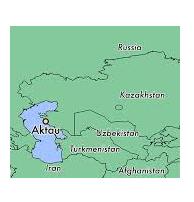
In precedenza, non avendo definito se il Caspio fosse un mare oppure un lago, non si sapeva con certezza a chi appartenessero le risorse del sottosuolo in ben determinate zone. E per la mancanza di un accordo tra i Cinque non si capiva nemmeno cosa si doveva fare per il transito delle condotte. Da oggi è stata chiarita la situazione in una delle maggiori casseforti di idrocarburi, seconda al mondo per riserve dopo quelle del golfo Persico, ossia 50 miliardi di barili di petrolio e 9mila miliardi di metri cubi di gas naturale.
Anche se a livello internazionale le relazioni sono tese, ad esempio russi e tedeschi – suscitando l’ira degli americani – parlano della costruzione del gasdotto Nord-Stream 2 sotto al Baltico. Tutti cercano di avere più fornitori, come la Cina che di fatto impone i propri prezzi a chi l’approvvigiona. Per non essere schiacciata dal suo pesante fabbisogno, l’Italia ha necessità di seguire la stessa strada.
Tornando al Caspio, dopo l’accordo di Aktau il bacino viene considerato un mare per lo sfruttamento del sottosuolo, mentre è un lago per la sua navigazione. Così sono stati salvaguardati gli interessi di russi, kazakhi, iraniani, azeri e turkmenistani. La Convenzione ha anche importanti conseguenze geopolitiche, in particolare non potranno essere dislocate forze militari esterne ai cinque Paesi rivieraschi. Quest’area deve rimanere una retrovia protetta sia per la Russia che per l’Iran.
La necessità di trovare un accordo dopo 22 anni di negoziati è stata dettata dai cambiamenti di alleanze e dalla fine della crisi economica a livello internazionale.
gda
Россия, где дополнительный доход?
5 Oct 2017Министр энергетики Александр Новак озвучил дополнительный доход, который российский бюджет извлек из заключенного в прошлом году соглашения о сокращении добычи нефти. Это от 700 млрд до 1 трлн рублей. Если нынешние котировки сохранятся или, по крайней мере, не провалятся ниже $50 за баррель, то в 2018 году Россия может рассчитывать на такую же сумму сверхприбыли. Впрочем, далеко не все уверены, что именно меморандуму о заморозке добычи принадлежит заслуга в дополнительном доходе нашего бюджета. Эксперты считают, что наибольший эффект в росте цен на нефть принесли операции на валютных и фондовых биржах.
До последнего времени никто из стран-участниц меморандума, заключенного в 2016 году ОПЕК и независимыми добывающими государствами, не разглашал сумму, которую смогла привлечь их экономика в результате исполнения договора. Это объяснялось тем, что как представители нефтяного картеля, так и не входящие в него производители зачастую существенно превышали официально публикуемые данные о добыче и создавали на рынке переизбыток сырья. 
По словам замдиректора аналитического департамента «Альпари» Анны Кокоревой, триллион рублей — это 7% доходов бюджета России в 2017 году. Эта сумма полностью покрывает затраты на здравоохранение (362 млрд) и образование (415 млрд). Кроме того, остаются средства для погашения трети социальных выплат, включая пенсии.
В сентябре 2017 года cреднедушевой заработок россиян вырос до 11,4 тыс. рублей, следует из подготовленного по заказу ЦБ опроса Института фонда «Общественное мнение» (ИнФОМ). Это самый высокий показатель с февраля 2015 года, когда соответствующее значение составило 9,9 тыс. рублей.
Социологическое исследование ИнФОМ показало, что среднедушевой доход граждан увеличился. Тем временем, показатель реальных доходов продолжает катастрофически падать, что не позволяет населению России отказаться от стратегии финансовых сбережений. Таких накоплений нет у 73% граждан. Люди все чаще просят помощи у банков — семьи 37% опрошенных несут кредитное бремя. В России фиксируется резкий рост объема микрофинансирования, особенно приветствуются займы «до зарплаты»
Согласно исследованию ИнФОМ, в сентябре население зафиксировало наиболее существенный рост цен на услуги ЖКХ. Существенно выросла стоимость ряда продуктов: мяса птицы, сыра, колбасы, рыбы и креветок.
Жителям страны приходится экономить на всем: на мясе (26% от числа опрошенных) и морепродуктах (24%), одежде и обуви (23%). Отметим, что в опросе приняли участие 2 тыс. граждан из 55 регионов страны.
Источник: МК
Полное исчерпание Резервного фонда в 2017 году.
12 Dec 2016Председатель Счетной палаты Татьяна Голикова предупредила, что денег в Резервном фонде в 2017 году не останется, и тогда правительству придется использовать средства Фонда национального благосостояния. В качестве положительного момента она отметила тот факт, что пользоваться резервными средствами для покрытия бюджетного дефицита планируется меньше…
МК – Московский Комсомолец
Алексей Улюкаев арестован.
15 Nov 2016 Президент России освободил министра экономического развития Алексея Улюкаева от должности в связи с утратой доверия. 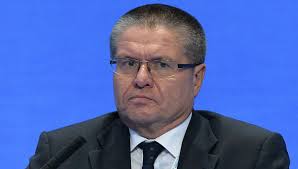
Премьер-министр России Дмитрий Медведев уже назвал арест главы минэкономразвития Алексея Улюкаева “тяжелым событием” для властей и потребовал провести тщательное расследование в связи с обвинениями в адрес министра.
По данным следствия, Улюкаев получил взятку в 2 млн долларов от компании “Роснефть” за положительное заключение и оценку сделки по приобретению государственного пакета акций “Башнефти”.
Месяц назад “Роснефть” сообщила, что заключила договор купли-продажи акций государственного пакета акций АНК “Башнефть” и “полностью выполнила свои обязательства по договору, перечислив 329,7 млрд рублей на счет федерального казначейства”.
Forum San Pietroburgo, sanzioni in primo piano.
16 Jun 2016 “Servono azioni coordinate per garantire una crescita sostenibile ed equilibrata”. Questo uno dei passaggi principali contenuti nel messaggio del presidente russo, Vladimir Putin, in occasione dell’inaugurazione del ventesimo Forum economico di San Pietroburgo. Alla manifestazione partecipano oltre alcune centinaia di compagnie internazionali nonché un’autorevole rappresentanza politica, tra cui il segretario dell’Onu, Ban Ki-moon. 
Sul Baltico si tenta in realtà di riavvicinare i due poli continentali, le cui relazioni sono provate dalla crisi ucraina, scoppiata nell’autunno 2013, e dalle rispettive sanzioni e contro-sanzioni. Tra mille polemiche a San Pietroburgo è presente anche il presidente della Commissione Ue, Jean-Claude Juncker, che ha in programma un incontro con il capo del Cremlino. Il suo intento è di “costruire ponti” sulle questioni economiche, ribadendo, però, l’obbligo di Mosca di applicare in pieno l’accordo di pace di Minsk-2, da lei firmato, sull’Ucraina orientale. Pesanti critiche a questo viaggio sono state espresse dai Paesi Ue centro-orientali che evidenziano come il Cremlino possa sfruttare l’occasione per aumentare le differenze, già esistenti, sul mantenimento o meno delle sanzioni da parte dei Ventotto. Nessun rappresentante degli Stati Uniti è, invece, presente a San Pietroburgo.
Juncker e Putin si conoscono da molti anni ed il loro rapporto personale potrebbe garantire nuovi insperati spiragli. Il presidente della Commissione europea ha tenuto, comunque, a precisare che “l’annessione illegale della Crimea ed il conflitto in Ucraina orientale hanno provocato il peggioramento delle relazioni bilaterali, poiché la Russia ha violato i principi fondamentali dell’ordine internazionale”. Bruxelles si attende che ora Mosca utilizzi tutto il suo “potenziale” per normalizzare la situazione.
Sulla stessa linea è l’ex presidente francese, Nicolas Sarkozy, che ha invitato la Russia a cancellare per prima le contro-sanzioni, che riguardano essenzialmente i prodotti alimentari, in particolare carne, frutta e verdura. Questa proposta è stata fatta direttamente a Vladimir Putin nel corso di un colloquio tra i due leader.
Le sanzioni occidentali colpiscono, invece, i settori finanziari ed energetici, anche se ieri l’anglo-olandese Shell ha firmato accordi con la russa Gazprom ed un progetto di raddoppio del gasdotto Nord-Stream sotto al Baltico – con numerose aziende dell’Europa centrale rappresentate nel consorzio – sta andando in porto.
Il portavoce del Cremlino, Dmitrij Peskov, ha, però, smorzato sul nascere qualsiasi tipo di speranza per un primo passo da parte dei russi, mentre il ministro degli Esteri, Serghej Lavrov, è apparso più ottimista nel vedere la luce in fondo al tunnel delle sanzioni.
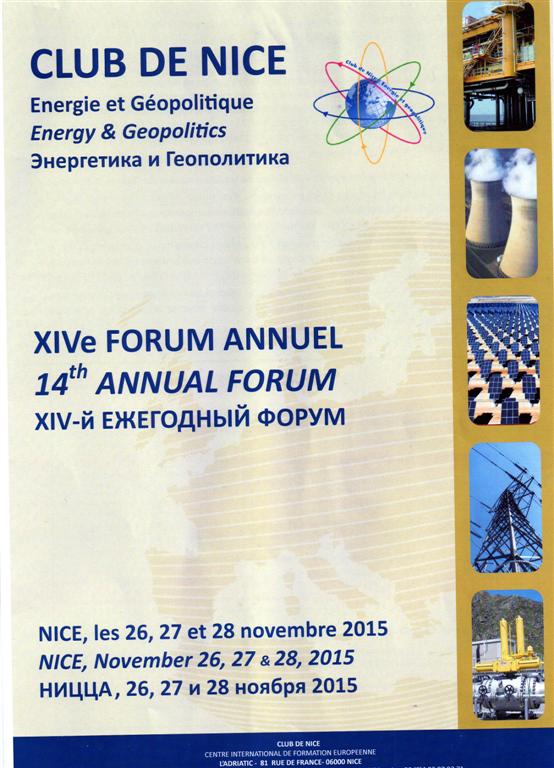
Club de Nice – 14th Annual Forum.
26 Nov 20151. Le prix de l’energie: la baisse du prix du petrole et ses consequences.
2. La crise de relations Russie-Europe et ses consequences dans le domaine energetique. Quelles Alternatives?
3. Energie Nouvelles – Nouvelles Technologies.
First Baltic gas pipeline without Russia.
15 Oct 2015Poland has signed a deal to build the first gas pipeline connecting the Baltic states to the EU energy market. The pipeline will integrate EU and Baltic energy markets and reduce dependence on Russian gas.
The 558 million euro ($636 million) gas pipeline will end the energy isolation of the Baltic countries by connecting the gas markets of Poland and Lithuania, the European Commission said
“Today we have done much more than bringing the energy isolation of the Baltic States to an end. We have brought the region further together,” European Commission President Jean-Claude Juncker said. “We are launching a project that will allow us to overcome historic limitations, including the direction of gas supplies from East to West,” PM Kopacz told a press conference.
The 534-kilometer (332-mile) Gas Interconnector Poland-Lithuania (GIPL) will be backed by a 305 million euro investment from the European Commission, which has set out the goal of creating an integrated European gas market and ensuring members have multiple supplies of energy. Once the GIPL is built, it will connect the Lithuanian, Estonian and Latvian gas network with the EU. The pipeline is scheduled to be completed by December 2019.
Earlier this week, PM Ewa Kopacz opened a liquefied natural gas terminal at the Baltic port of Świnoujście, northern Poland, which is yet another move expected to improve the energy independence of the country. The first shipment of LNG is expected to arrive from Qatar in December
Welcome
We are a group of long experienced European journalists and intellectuals interested in international politics and culture. We would like to exchange our opinion on new Europe and Russia.
Categories
- Breaking News (11)
- CIS (129)
- Climate (2)
- Energy&Economy (115)
- EU Eastern Dimension (85)
- Euro 2012 – Sochi 2014 – World Cup 2018, Sport (43)
- Euro-Integration (135)
- History Culture (198)
- International Policy (261)
- Military (74)
- Interviews (18)
- Italy – Italia – Suisse (47)
- Odd Enough (10)
- Poland and Baltic States (126)
- Religion (31)
- Russia (421)
- Survey (4)
- Turning points (4)
- Ukraine (176)
- Российские страницы (113)
Archives
- November 2020
- October 2020
- September 2020
- August 2020
- July 2020
- May 2020
- April 2020
- March 2020
- January 2020
- December 2019
- November 2019
- October 2019
- September 2019
- August 2019
- July 2019
- June 2019
- May 2019
- April 2019
- March 2019
- February 2019
- December 2018
- November 2018
- October 2018
- September 2018
- August 2018
- July 2018
- June 2018
- May 2018
- April 2018
- March 2018
- February 2018
- January 2018
- December 2017
- November 2017
- October 2017
- September 2017
- August 2017
- July 2017
- May 2017
- March 2017
- January 2017
- December 2016
- November 2016
- October 2016
- September 2016
- July 2016
- June 2016
- May 2016
- April 2016
- February 2016
- January 2016
- November 2015
- October 2015
- September 2015
- June 2015
- April 2015
- March 2015
- February 2015
- January 2015
- December 2014
- November 2014
- October 2014
- September 2014
- August 2014
- July 2014
- June 2014
- May 2014
- April 2014
- March 2014
- February 2014
- January 2014
- December 2013
- November 2013
- October 2013
- September 2013
- August 2013
- July 2013
- June 2013
- May 2013
- April 2013
- March 2013
- February 2013
- January 2013
- December 2012
- November 2012
- October 2012
- September 2012
- August 2012
- July 2012
- June 2012
- May 2012
- April 2012
- March 2012
- February 2012
- January 2012
- December 2011
- November 2011
- October 2011
- September 2011
- August 2011
- July 2011
- June 2011
- May 2011
- April 2011
- March 2011
- February 2011
- January 2011
- December 2010
- November 2010
- October 2010
- September 2010
- August 2010
- July 2010
- June 2010
- May 2010
- April 2010
- March 2010
- February 2010
- January 2010
- December 2009
- November 2009
- October 2009
- September 2009
- August 2009
Our books