EU Eastern Dimension
The Georgian parliament approved the new government of Georgia, led by Prime Minister Bidzina Ivanishvili.
This is its composition:
Defense Minister and Deputy Prime Minister – Irakli Alasania
Energy Minister and Deputy Prime Minister Kakha Kaladze 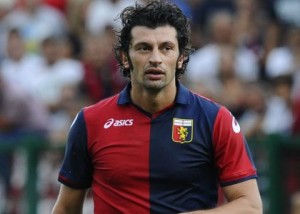
Minister of Finance – Nodar Khaduri
Interior Minister – Irakli Garibashvili
Minister of Justice – Thea Tsulukiani
Minister of Foreign Affairs – Maya Panjikidze
Minister for Reintegration – Paata Zakareishvili
Minister for Infrastructure and Regional Government – David Narmania
Economy Minister – Giorgi Kvirikashvili
Minister of Labour, Health and Social Affairs – David Sergeenko
Minister of Environment – Khatuna Gogaladze
Minister of Education and Science – Giorgi Margvelashvili
Minister of Refugees and Accommodation – David Darakhvelidze
Minister of Youth and Sports – Levan Kipiani
Minister of Penitentiary – Sozar Subari
Culture Minister – Guram Odisharia
Agriculture Minister – David Kirvalidze
State Minister for Diaspora Affairs – Kote Surguladze
State Minister for European Integration – Alexi Petriashvili.
Minister for Employment – Kakha Sakandelidze
Talks about constitutional changes have already started in the new parliament. “In order to avoid one party government, it is already necessary to make changes in the relevant part of the constitution and create applicable government model. However, we will make these changes after public discussions. We will try hard to take into account all sensible proposals and interests. The constitution will establish the model that will guarantee stability of the state,” said Prime Minister Ivanishvili. The new Constitution will give political opposition mechanisms for controlling government activities.
Under current legislation the change in the Constitution can be made if 2/3 of lawmakers (100 MPs) vote for it. Ruling Georgian Dream currently has 85 seats, while the opposition United national Movement – 65 mandates.
The main goal of the new government will be de-occupation of Georgia. “At the same time, we will look for the ways of talking to Abkhazians and Ossetians. With the support of international society we will manage to start negotiations with Russia about economic and cultural affairs,” said Ivanishvili. The territorial integrity of the country is vital for the government to be effective. Important steps will be taken towards integration with the EU and NATO.
Грузия голосует за Парламент.
24 Sep 2012 «Скандал с избиениями и извращенным насилием в тюрьмах стал моральной пыткой для грузинского общества. На него накладывается близость парламентских выборов, в которых окончательно спутались все расклады. 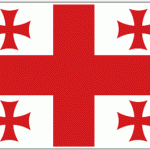
До скандала правящей партии президента Саакашвили социологи отдавали около 60 процентов голосов, а ее основному сопернику, партии бизнесмена Иванишвили, около 30, но теперь прогнозы пошли прахом. Президентская партия лишилась поддержки тех, кто еще думал, за кого голосовать, — говорят одни. Возможно, очищение после этой грязной истории пойдет власти на пользу, — возражают другие. Но в действительности, чем закончатся выборы, не знает никто… »
Репортаж – Айдер Муждабаев Московский Комсомолец № 26049 от 24 сентября 2012 г. Ayder Muzhdabaeyev Moskovskij Komsomolets
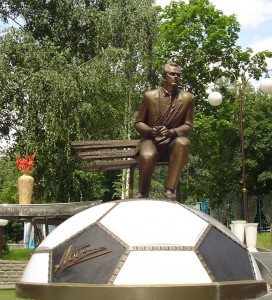
La statua dedicata a Valeriy Lobanovskiy, una delle "anime" della Dinamo Kiev.
Doveva essere la grande festa attesa da una vita ed invece Euro 2012 si è trasformata in un incubo. Almeno per la dirigenza ucraina. Negli ultimi decenni non ricordiamo una vigilia tanto tribolata.
A Cardiff, nell’aprile 2007, l’Uefa era a conoscenza dei rischi della scelta di organizzare il primo campionato di calcio oltre la vecchia Cortina di ferro. Allora si temevano di più gli euro-scettici gemelli Kaczynski in Polonia e molto meno gli arancioni filo-occidentali al potere in Ucraina.
E comunque, quando era stato varie volte primo ministro, l’azzurro Viktor Janukovich si era sempre mostrato un partner affidabile, nonostante le perenni liti interne sia con l’ex presidente Viktor Jushenko – vedi la cosiddetta “rivoluzione arancione” dell’autunno 2004 – sia con l’ex premier Julija Timoshenko.
L’Europa non è abituata, come gli ucraini, ad assistere alle ormai proverbiali risse tra deputati delle opposte fazioni alla Rada ed alle loro infinite faide, le cui conseguenze non hanno quasi mai superato i confini nazionali. Ma adesso la situazione è diversa: è il Paese intero – non solo la sua degradata classe dirigente – a rischiare di rimetterci la faccia.
L’Ucraina non è, tuttavia, una repubblica delle banane, gestita da mafiosi. La realtà storica è che quasi in modo miracoloso il caos perfetto della politica interna nazionale ha consentito la nascita di, forse, l’unica democrazia dell’ex Urss, dove la concezione di libertà di stampa e di parola non ha subito contraffazioni. Sullo sfondo di questo scenario si osserva la dura contrapposizione tra il Polo europeo e quello russo.
Ma andiamo all’evento sportivo. Diciamo subito che il Paese ha fatto i salti mortali per ospitare al massimo delle proprie possibilità Euro 2012. Calcisticamente parlando, l’Ucraina è probabilmente la migliore realtà dell’Europa orientale. La Dinamo di Kiev è facilmente accostabile al “grande Torino” o all’indimenticabile Manchester United degli anni Sessanta o all’eterna Honved di Budapest. La sua è stata una scuola, punto di riferimento sia in epoca sovietica che in quella successiva. Andriy Shevchenko è solo l’ultimo di una lunga nidiata di campioni. L’Ucraina non è oggi solo Dinamo Kiev, ma anche Shaktior Donetsk, recente campione Uefa.
I nuovi “Paperoni” locali – su tutti i fratelli Surkis e Rinat Akhmetov – hanno risollevato il calcio nazionale dal disastro post sovietico. Contemporaneamente dal 2007 si è tentato di colmare la cronica mancanza di infrastrutture. Oggi gli alberghi sono in numero maggiore e di qualità superiore al 2007, le strade e le superstrade rimangono pericolose, i treni sono migliorati. Gli aeroporti hanno terminal nuovi di zecca e faciliteranno i trasferimenti delle squadre e dei tifosi più abbienti.
Gli stadi sono tutti belli ed ultramoderni. Quelli di Kharkov e Leopoli sono, a dire il vero, un po’ piccolini, con una capienza limitata. Discorso diametralmente diverso per l’Olimpiskij di Kiev (70mila) o lo splendido impianto di Donetsk, dono da 400 milioni di dollari di Akhmetov alla sua città.
E poi in Ucraina non ci si annoia affatto. Kiev e Leopoli sono città ricche di monumenti e con una cultura unica. Kharkov e Donetsk sono più moderne, ma piene di attrattive. Ovunque ci sono aree verdi per il tempo libero dei tifosi dove fiumi di birra e musica a volume altissimo allieteranno le calde giornate in attesa delle partite.
I giornali britannici hanno invitato le mogli dei tifosi a non mandare i mariti in Ucraina: troppe le belle donne laggiù. E poi un’alta percentuale di professioniste del sesso a pagamento, aggiunge lo scandalistico “The Sun”, ha contratto pericolose malattie.
Da Euro 2012 la repubblica ex sovietica spera di lanciarsi come méta futura del turismo. Buona ospitalità e successo dei campionati sono due ingredienti essenziali per aprire definitivamente l’Ucraina al mondo esterno. Peccato che la classe dirigente di questo Paese dalle enormi potenzialità stia facendo l’impossibile per sprecare un’occasione storica, veramente unica. Per loro l’Ucraina deve rimanere la solita sfortunata provincia della globalizzazione.
Giuseppe D’Amato
«Европейско-Азиатский союз? Только этого еще нам не хватало!» Такой, как мне кажется, должна была бы быть первая естественная реакция думающего российского налогоплательщика, когда недавно объявили о новом интеграционном проекте на пространстве бывшего СССР. А максимум через секунду я ожидал бы услышать уже конкретный вопрос: «Кто заплатит за это удовольствие?» …
Давайте проанализируем вероятную динамику общественного и экономического развития в странах — основателях будущего Евроазиатского союза — России, Беларуси и Казахстане. 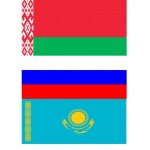
В России на выборах выиграла «стабильность» …
В изолированной Беларуси индустриальная отрасль уже выработала свой ресурс …
В Казахстане декабрьские беспорядки в Жанаозене стали очень тревожным социальным сигналом…
Кроме того, Беларусь и Казахстан имеют одну общую и серьезную политическую проблему: ни у Лукашенко, ни у Назарбаева нет преемника…
Думать о том, что Украина вдруг вернется в объятия Москвы в ЕАС, уже просто нет смысла…
Как было объявлено, «Евроазиатский союз должен следовать по стопам ЕС». То есть сначала на постсоветском пространстве надо создать нечто похожее на Европейское экономическое сообщество…
Какая морально-философская база лежит в основе создающегося Евроазиатского союза? Какие личности могли бы гарантировать непростые интеграционные шаги в будущее? …
Какие новые идеи можно реализовать, не рискуя совершить старые советские ошибки? …»
Статья – Джузеппе Д’Амато Московский Комсомолец № 25924 от 23 апреля 2012 г. Giuseppe D’Amato Moskovskij Komsomolets.
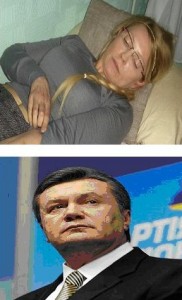 Gli Europei di calcio in Ucraina sono in pericolo dopo gli attentati di Dnipropetrovsk e l’“affaire” Timoshenko. La Germania ha scelto una pausa di riflessione prima di decidere il daffarsi. Ma è tutta l’Unione europea che guarda preoccupata agli eventi in corso nell’ex repubblica sovietica.
Venerdì 27 aprile ben quattro ordigni hanno seminato il panico a Dnipropetrovsk, provocando il ferimento di 29 persone. L’interrogativo che si pongono un po’ tutti è che cosa ci sia dietro quelle bombe: se questa sia l’inizio della strategia della tensione oppure il folle gesto di un delinquente isolato.
La polizia pare brancolare nel buio nonostante la pubblicazione di alcune foto-identikit dei possibili attentatori. I migliori investigatori ucraini studiano ogni particolare in quella che il presidente Viktor Janukovich ha definito “una sfida per l’intero Paese”.
Dnipropetrovsk non è un luogo qualsiasi. 1,1 milioni di abitanti, distesa sul fiume Dniepr, la città – che ha dato i natali ad importanti politici ucraini tra cui l’ex presidente Kuchma e visto in precedenza sorgere la stella di Leonid Breznev in tempi sovietici – è oggi un feudo dell’ex premier Julija Timoshenko, la pasionaria della rivoluzione arancione del 2004, attualmente detenuta in galera dopo una controversa condanna a sette anni per abuso di potere e malversazione.
Subito dopo gli attentati i deputati fedelissimi della Timoshenko, arcinemici del presidente, sono arrivati ad accusare, senza mezzi termini, il presidente ucraino di nascondersi dietro all’azione terroristica. Secondo loro il vero obiettivo di Janukovich sarebbe quello di distrarre l’attenzione dell’opinione pubblica dalla crisi economica e dalle persecuzioni politiche.
Da giorni circolano le foto della Timoshenko piena di lividi. In precedenza, il neo presidente tedesco Gauck aveva cancellato una visita ufficiale a Jalta dopo che Kiev aveva negato il permesso per far curare l’ex premier all’estero. In questo clima esplosivo la giustizia ucraina ha deciso di rimandare un ulteriore processo contro la Timoshenko per reati fiscali.
Secondo fonti autorevoli la cancelliera tedesca Angela Merkel potrebbe adesso scegliere la strada del boicottaggio di Euro 2012 se Julija Timoshenko non dovesse essere liberata al più presto. Il presidente del Bayern, Uli Hoeness, ha scritto una lettera al capo dell’Uefa, Michel Platini, chiedendo un suo intervento presso Janukovich.
Alcune settimane fa Bruxelles ha congelato la firma del tanto atteso Patto di Associazione tra Ue ed Ucraina fino a che l’“affaire” Timoshenko non venga chiarito. L’ex premier è stata condannata in dicembre per aver favorito nel 2009 la firma di un accordo per la fornitura di gas dalla Russia e per aver provocato forti perdite alle casse dello Stato.
Secondo numerosi analisti sullo sfondo di questo scontro Janukovich – Timoshenko c’è la vendetta promessa degli oligarchi ucraini contro l’ex premier, che in tante occasioni li ha contrastati, facendo loro perdere importanti affari. Berlino e Bruxelles si sono, però, stancati di questa guerra senza fine. E’ arrivato ora il tempo delle decisioni sofferte.
Giuseppe D’Amato
The European Union foreign ministers on March 23 decided to impose sanctions on a further 12 Belarusians, including businesspeople, and 29 Belarusian companies to punish the Lukashenka regime for the repression of political activists and civil society representatives, BelaPAN said.
In particular, the EU Council added the 12 persons to the 27-nation bloc’ list of those targeted by a travel ban and asset freeze, reported euroalert.net. They include individuals benefiting from or supporting the regime, as well as persons responsible for the repression of civil society and the democratic opposition in Belarus. 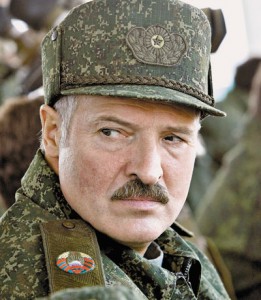
In addition, the EU Council froze the assets of 29 entities, which are controlled by persons subject to restrictive measures due to their role in supporting the regime.
“I am extremely concerned about what is happening with the civil society,” said Catherine Ashton, the EU’s high representative for foreign affairs and security policy, speaking ahead of the EU Council’s meeting in Brussels. “We have been extremely clear about the regime in Belarus that they release political prisoners. We would like to engage with them when they comply with what we have asked them to do.”
In an interview with the government`s news agency BelTA earlier this week, Andrey Savinykh, spokesman for the Belarusian foreign ministry, said that the EU should stop using pressure against Belarus if it wanted to “settle existing differences.”
Both Belarus and the EU will benefit from a “mutually acceptable settlement” of them, said Mr. Savinykh.
“The EU should in the first place drop the practice of reinforcing its sanctions on a regular basis,” said the spokesman. “The point is not about whether the sanctions are efficient. What is important is that this practice rules out the possibility of bringing sensibly and reasonably the positions closer to each other.”
On January 31, 2011, the EU Council imposed asset freezes and travel bans on 156 Belarusian government officials and other individuals for their role in “the violations of international electoral standards” in the December 14-19, 2010 presidential election and a post-election crackdown on civil society and pro-democratic supporters. The Council blacklisted more Belarusians later, placing on the list judges and prosecutors involved in the prosecution of post-election protesters, as well as the judge and the public prosecutor in the trial of prominent human rights defender Ales Byalyatski.
The EU Council`s Friday decision brought the total number of Belarusians on the blacklist to 234.
After the EU imposed travel bans and asset freezes on new Belarusian officials on February 27, the Belarusian foreign ministry “recommended” that the head of the EU delegation to Belarus and the ambassador of Poland to Belarus return to their capitals for consultations, while simultaneously recalling the country`s permanent representative in Brussels and ambassador in Warsaw.
All EU ambassadors have left Belarus since “in expression of solidarity and unity.”
Materials from BelaPAN, Naviny
Moldova, la speranza Timofti.
21 Mar 2012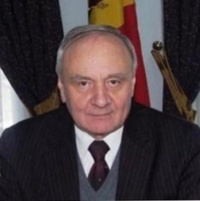
Nicolae Timofti
Finalmente! Dopo tre anni di vani tentativi, con un paio di voti popolari anticipati e disordini di piazza, la settimana scorsa la Moldova è riuscita ad eleggere un presidente. Era dall’aprile 2009, quando Vladimir Voronin lasciò l’incarico per la scadenza del mandato, che la repubblica ex sovietica non aveva un capo dello Stato nel pieno delle sue funzioni. Totale: 917 giorni di una crisi istituzionale interminabile, che stava minando seriamente le fondamenta del giovane Stato moldavo.
L’origine di tutte le tribolazioni è da ricercarsi principalmente in una Costituzione, scritta da giuristi poco esperti, con alle spalle un retaggio troppo sovietico. Il presidente è, infatti, eletto dai 101 deputati del Parlamento, che viene sciolto dopo tre votazioni fallite. Ma non solo: serve anche una maggioranza qualificata di 62 voti. In presenza di un’assemblea divisa la scelta del capo dello Stato è praticamente impossibile.
Così anche venerdì scorso al Parlamento moldavo si è assistito a vere e proprie scene da carbonari. La votazione, prevista in un primo momento per le 15, è stata anticipata all’improvviso alle 8 del mattino. Il Partito comunista, in netto contrasto con la maggioranza relativa, aveva indetto una manifestazione davanti ai palazzi del potere per le 13,30.
Per evitare i “franchi tiratori”, definiti più sbrigativamente “traditori”, i partiti dell’“Alleanza per l’integrazione europea” hanno fatto piegare ai propri deputati le schede da depositare nell’urna segreta in una ben determinata maniera. Tre parlamentari hanno vigilato sulla correttezza dei colleghi, mentre l’unico rappresentante del Pc, presente in aula, si è dilungato in un discorso semplicemente intimidatorio.
Conclusione: i tre fuoriusciti dal Pc, i quali hanno formato recentemente il gruppo socialista, sono stati determinanti. Il giudice 63enne Nicolae Timofti è stato eletto presidente, il quarto nella breve storia repubblicana, con 62 voti. Quanto tempo starà in carica è ancora un mistero, poiché i costituzionalisti locali interpretano ognuno a propria maniera le norme.
Considerata in epoca sovietica la “cantina” dell’“impero”, la repubblica latina dell’Urss ha terribilmente sofferto il passaggio all’economia di mercato. Nel 1992 una sua regione a maggioranza slava, la Transnistria, chiamata anche la “Lombardia” della Moldavia, si è separata dopo una guerra sanguinosa. Tutti i negoziati di riconciliazione nazionale sono finora falliti. 600mila moldavi su una popolazione di 4,4 sono emigrati all’estero, 100mila solo in Italia. Molti di loro detengono un passaporto romeno ed alcuni politici a Bucarest mirano in futuro a farla tornare sotto l’egida della madrepatria.
L’Unione europea si è impegnata a fondo per non vedere la “Dacia” di romana memoria trasformarsi in un buco nero. “Dobbiamo essere un ponte tra Est ed Ovest”, ha subito promesso Timofti. La sua costruzione, però, è tremendamente complessa!
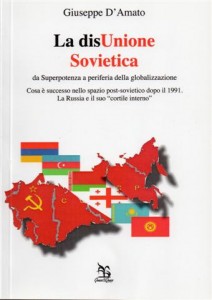
Развод по-советски – The Soviet DisUnion. Giuseppe D’Amato. Презентация книги. Presentation.
3 Mar 2012
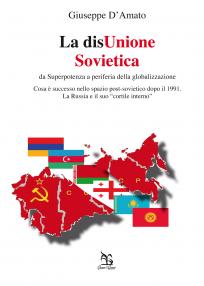
Развод по-советскиПрошлое и будущее постсоветского пространства. The Soviet DisUnionThe Past and the Future of the post Soviet area. |
 |
|
В ходе встречи состоится презентация книги La DisUnione Sovietica. da Superpotenza a periferia della globalizzazione. Milano, Greco&Greco editori, 2012. Присутствуют: ректор РГГУ профессор Е.И. Пивовар и автор книги Джузеппе Д’Амато, а также гости – дипломаты, журналисты.
Понедельник – 5-го марта в 14.00 часов – ауд. 220 Miusskaya sq, 6, Moscow. Metro Novoslabodskaja. Contact telephone: Rectorate (499)2506910 |
Mr President, thank you for an excellent organization of today’s summit.
The summit allowed us to take stock of the bilateral relations and agree on priorities for the future. It was also an opportunity to assess in more general terms the implementation of commitments and respect to declared values. 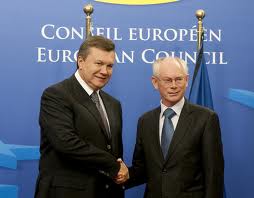
Let me start my reiterating that Ukraine is a partner of strategic importance for the EU. Our commitment to developing the relationship between the EU and Ukraine is firm. Since the last summit there has been developments in the EU-Ukraine relations – both positive and some that have given us reason for strong concern.
Today, we can publically announce that negotiations on the Association Agreement have been finalised. It was difficult work, but your government’s declared European choice and dedication has made it possible to conclude the talks with success. This is a giant step for our relations.
What is encouraging is the broad support this Agreement – and Ukraine’s European choice – enjoys in Ukrainian society.
It is also of decisive importance for Ukraine’s progress towards modernisation, prosperity, and the realisation of Ukraine’s European ambition. I pay tribute to the work that has been done.
We want to take steps to sign and ratify the Association Agreement as soon as we can, but this will depend on political circumstances. In this regard, a number of recent domestic developments in Ukraine have led to a difficult atmosphere between the European Union and Ukraine.
The support of European public opinion to Ukraine’s political association and economic integration to the EU is an important asset, closely related to this field. The perceived deterioration of the quality of democracy and rule of law in Ukraine has a direct impact in our Member-States, in our public at large, and in the European Parliament.
Our strong concern is primarily related to the risks of politically-motivated justice in Ukraine. The Timoshenko trial is the most striking example. But just as important, a comprehensive justice
reform in line with international standards is absolutely key. Media freedom and freedom of assembly are also key for a full fledged democracy. Shortcomings have to be corrected.
Mr President, the respect for these principles, enshrined in the Eastern Partnership and at the core of the Association Agreement, is decisive for the pace and depth of rapprochement with the EU and of the signing and ratification of the Association Agreement . But it is also fundamental to Ukraine’s future development as a competitive, dynamic and innovative society.
In this context, the parliamentary elections to be held next year, will be a litmus test. The conduct of these elections will have to meet the commitments of the OSCE, including the ensuring of a level playing field for all possible candidates. And it is of outmost importance that they can exercise their political rights.
We do, however, take note of the cross-party adoption by the Ukrainian Parliament of a new Law on Election of the People’s Deputies. We encourage you to continue close cooperation with the Venice Commission.
In summary, we share not only the common interest but also the common ambition of a closer EU-Ukraine relationship. This summit is proof of our commitment. We will work toward the realisation of this ambition. But this will require a major effort from Ukraine.
Finally, we will have an exchange on a couple of regional issues during lunch.
First on Belarus. Today it is one year since the violations of electoral standards at the 19 December Presidential elections in Belarus, which triggered a crackdown on civil society and political opposition. The developments during the last 12 months are worrying – the atmosphere of repression remains unabated.
The EU’s policy is principled. We stick to our policies of restrictive measures and outreach towards Belarusian civil society and public at large. We will not change this until all political prisoners are released and rehabilitated.
We are happy for the dramatic improvement in Ukraine – Moldova relations since our last Summit. The European Union and Ukraine have a common interest in the territorial integrity of Moldova. We have high hopes for the resumption of the formal talks.
Once again, Mr President, this is an important day in our relations. Hopefully it is the beginning of the important period in which we can fully share common values and common interests.
The Official statement by President of the European Council Herman Van Rompuy following the 15th European Union-Ukraine Summit.
Куда идет Украина?
19 Oct 2011«Ранее планировавшийся на 19–20 октября визит президента Украины в Брюссель не состоится. Тональность заявлений Виктора Януковича и его соратников относительно беспокоящего Европу дела Тимошенко тоже разительно изменилась. Эксперты предполагают, что команда украинской власти на ходу меняет вектор внешней политики, переориентируясь на объединения во главе с Россией, но в итоге может оказаться в новом тупике. ..
Хотя по официальной версии в Донецке Янукович и Медведев не касались тем приговора Тимошенко и газовых контрактов, но источник «НГ», близкий к переговорам, утверждает, что эти темы стали главными в неформальной беседе…
Украина пока не отказалась от евроинтеграции, но уже поглядывает в другую сторону: «С одной стороны, наш президент раздражен тем, как с ним общаются в Брюсселе – забыв о политкорректности, диктуют главе независимого государства нарушение законов этого государства, выдвигают невыполнимые требования. С другой стороны, в России, от которой экономически и в первую очередь энергетически мы действительно серьезно зависимы, ситуация меняется: если к власти придет Владимир Путин, мы не сможем при нынешних условиях удержать равновесие. Европа нам не поможет, нужно уже сейчас находить точки соприкосновения с Россией».
Политолог Сергей Таран с удивлением воспринял такую позицию: «Если власть опасается давления со стороны Путина, то единственный способ избежать такого сценария – это с удвоенной силой заняться евроинтеграцией. Политика задабривания в российском направлении в любом случае не приведет ни к чему хорошему: Киев продемонстрировал слабость, а со слабыми партнерами никто не считается, им диктуют свою волю». Политолог Алексей Гарань тоже удивился: «То ли Януковича подставляют, то ли его иррациональная жажда мести взяла верх над инстинктом политического самосохранения, элементарным рациональным расчетом относительно его же будущего. Кажется, и то и другое». …
Представители команды Януковича стали публично размышлять о том, стоит ли Киеву выполнять все требования ЕС, чтобы подписать соглашения, в которых европейская сторона отказывается указать возможность будущего полноправного членства Украины… Некоторые украинские эксперты допускают, что президентская администрация затеяла сложную и рискованную многоходовую игру, пытаясь в итоге добиться ослабления политического давления со стороны ЕС и газового – со стороны РФ….»
Статья – Татьяна Ивженко – Независимая газета 19.10.2011
Welcome
We are a group of long experienced European journalists and intellectuals interested in international politics and culture. We would like to exchange our opinion on new Europe and Russia.
Categories
- Breaking News (11)
- CIS (129)
- Climate (2)
- Energy&Economy (115)
- EU Eastern Dimension (85)
- Euro 2012 – Sochi 2014 – World Cup 2018, Sport (43)
- Euro-Integration (135)
- History Culture (198)
- International Policy (261)
- Military (74)
- Interviews (18)
- Italy – Italia – Suisse (47)
- Odd Enough (10)
- Poland and Baltic States (126)
- Religion (31)
- Russia (421)
- Survey (4)
- Turning points (4)
- Ukraine (176)
- Российские страницы (113)
Archives
- November 2020
- October 2020
- September 2020
- August 2020
- July 2020
- May 2020
- April 2020
- March 2020
- January 2020
- December 2019
- November 2019
- October 2019
- September 2019
- August 2019
- July 2019
- June 2019
- May 2019
- April 2019
- March 2019
- February 2019
- December 2018
- November 2018
- October 2018
- September 2018
- August 2018
- July 2018
- June 2018
- May 2018
- April 2018
- March 2018
- February 2018
- January 2018
- December 2017
- November 2017
- October 2017
- September 2017
- August 2017
- July 2017
- May 2017
- March 2017
- January 2017
- December 2016
- November 2016
- October 2016
- September 2016
- July 2016
- June 2016
- May 2016
- April 2016
- February 2016
- January 2016
- November 2015
- October 2015
- September 2015
- June 2015
- April 2015
- March 2015
- February 2015
- January 2015
- December 2014
- November 2014
- October 2014
- September 2014
- August 2014
- July 2014
- June 2014
- May 2014
- April 2014
- March 2014
- February 2014
- January 2014
- December 2013
- November 2013
- October 2013
- September 2013
- August 2013
- July 2013
- June 2013
- May 2013
- April 2013
- March 2013
- February 2013
- January 2013
- December 2012
- November 2012
- October 2012
- September 2012
- August 2012
- July 2012
- June 2012
- May 2012
- April 2012
- March 2012
- February 2012
- January 2012
- December 2011
- November 2011
- October 2011
- September 2011
- August 2011
- July 2011
- June 2011
- May 2011
- April 2011
- March 2011
- February 2011
- January 2011
- December 2010
- November 2010
- October 2010
- September 2010
- August 2010
- July 2010
- June 2010
- May 2010
- April 2010
- March 2010
- February 2010
- January 2010
- December 2009
- November 2009
- October 2009
- September 2009
- August 2009
Our books