International Policy
Moderne bombe atomiche Usa in Europa.
20 Sep 2015Occhio per occhio, dente per dente! La passata logica della Guerra Fredda, rispolverata in questi ultimi due anni da Usa e Russia, viene applicata ormai a tutti gli aspetti delle relazioni bilaterali. Gli americani dislocheranno nuove bombe atomiche in Europa ed in Turchia? Non c’è problema, dice il Cremlino: noi posizioneremo i nostri missili sul Baltico. L’equilibrio strategico di forze nel Vecchio continente, garanzia di pace negli ultimi 7 decenni, rischia di venire modificato, aggiungono le stesse fonti ufficiali russe. 
La notizia di fonte giornalistica tedesca sull’ammodernamento di 6 basi Usa per la conservazione di ordigni nucleari (B61) ha mandato su tutte le furie Mosca, che minaccia pesanti contromisure. L’enclave di Kaliningrado, l’ex Prussia orientale, potrebbe ospitare i temibili missili Iskander in grado da qui di colpire qualsiasi obiettivo nel Vecchio continente nel raggio di 500 chilometri. Lo stesso potrebbe succedere (con qualche altro vettore) in Crimea, naturale portaerei in mezzo al mar Nero, ma questa seconda mossa potrebbe avvenire in un momento successivo.
Nel 2011 uno studio dell’aviazione Usa affermò che la “maggior parte” dei siti di stoccaggio non incontrava gli standard del ministero della Difesa. Da qui la decisione di Washington di ammodernarli adesso. A Buechel, secondo le rilevazioni giornalistiche, il governo tedesco investirà 120 milioni di euro per migliorare le infrastrutture. Qui dovrebbero essere custodite una ventina di nuove bombe atomiche (B61) con una potenzialità ognuna di 80 volte l’ordigno esploso ad Hiroshima. Nella base ve ne sarebbero già un’altra ventina. Stesso discorso di ammodernamento, sostiene la Fas – associazione di scienziati Usa non allineata – avverrà ad Aviano in Italia, a Incirlik in Turchia (dove sarebbero già custodite una cinquantina di bombe) ed in Belgio. Le spese per le strutture a carico dei governi nazionali non sono note.
gda
Запад – Россия, «Pимский дух».
28 Mar 2015«Во внешней политике делать прогнозы более, чем на шесть месяцев вперед, — то же самое, что гадать на кофейной гуще», — постоянно повторял мой итальянский коллега Альмерико Ди Мельо, когда осенью 1991 года мы с ним делали серию репортажей обо всех советских республиках…
Я, конечно, согласен с ним. Но направление и динамику развития стран и континентов на длительный срок все-таки можно описать, основываясь на социально-экономических данных и политических соглашениях… 
В современном глобализованном мире без компромиссов не проживешь…
Как подчеркнул итальянский премьер Ренци в июле в Европарламенте, «никто не построит Европу против России». Страны-основатели ЕС (в том числе Италия, Германия и Франция) этого не позволят. Это так называемый римский дух. Трагедий прошлого всем хватило, поэтому Европейский союз родился после подписания Римских договоров в 1957 году. И пора принимать эту уже не новую реальность на Старом континенте везде, в том числе восточнее Нарвы…
Договор «Минск-2» является лишь первым шагом к тому, чтобы спасти мир в Европе. Нужен второй шаг — со сложными компромиссами, чтобы переломить опасную тенденцию исключения России из мировой демократической системы (выражаясь языком древнегреческой демократии, ее остракизм). Иначе будущее станет еще более туманным, чем мы сейчас опасаемся.
Чем раньше это осознают в российском диспетчерском зале, тем дешевле обойдется стране. Западные демократии похожи на старые дизельные двигатели: медленно заводятся, но потом их трудно остановить…
Статья – Джузеппе Д’Амато Московский Комсомолец №26773 от 27 марта 2015 Giuseppe D’Amato Moskovskij Komsomolets
The UN Security Council unanimously adopted a resolution endorsing measures for the implementation of the new truce on Ukraine crisis.
The Council reaffirmed “its full respect for the sovereignty, independence and territorial integrity of Ukraine,” and expressed “its grave concern at the tragic events and violence in eastern regions of Ukraine.”
The 15-nation body endorsed the “Package of measures for the implementation of the Minsk Agreements”, adopted on Feb. 12 in Minsk and called for full implementation of the measures, including “a comprehensive ceasefire“.
It also stressed that the resolution of the situation in eastern Ukraine “can only be achieved through a peaceful settlement to the current crisis.” The resolution was adopted shortly after the Council issued a statement to the press on Ukraine, urging all parties to immediately cease hostilities.
Комплекс мер по выполнению Минских соглашений.
12 Feb 20151. Незамедлительное и всеобъемлющее прекращение огня в отдельных районах Донецкой и Луганской областей Украины и его строгое выполнение начиная с 00 ч. 00 мин. (киевское время) 15 февраля 2015 года.
2. Отвод всех тяжелых вооружений обеими сторонами на равные расстояния в целях создания зоны безопасности шириной минимум 50 км друг от друга для артиллерийских систем калибром 100 мм и более, зоны безопасности шириной 70 км для РСЗО и шириной 140 км для РСЗО «Торнадо-С», «Ураган», «Смерч» и тактических ракетных систем «Точка» («Точка У»):
– для украинских войск: от фактической линии соприкосновения;
– для вооруженных формирований отдельных районов Донецкой и Луганской областей Украины: от линии соприкосновения согласно Минскому меморандуму от 19 сентября 2014 г.
Отвод вышеперечисленных тяжелых вооружений должен начаться не позднее второго дня после прекращения огня и завершиться в течение 14 дней.
Этому процессу будет содействовать ОБСЕ при поддержке Трехсторонней Контактной группы. 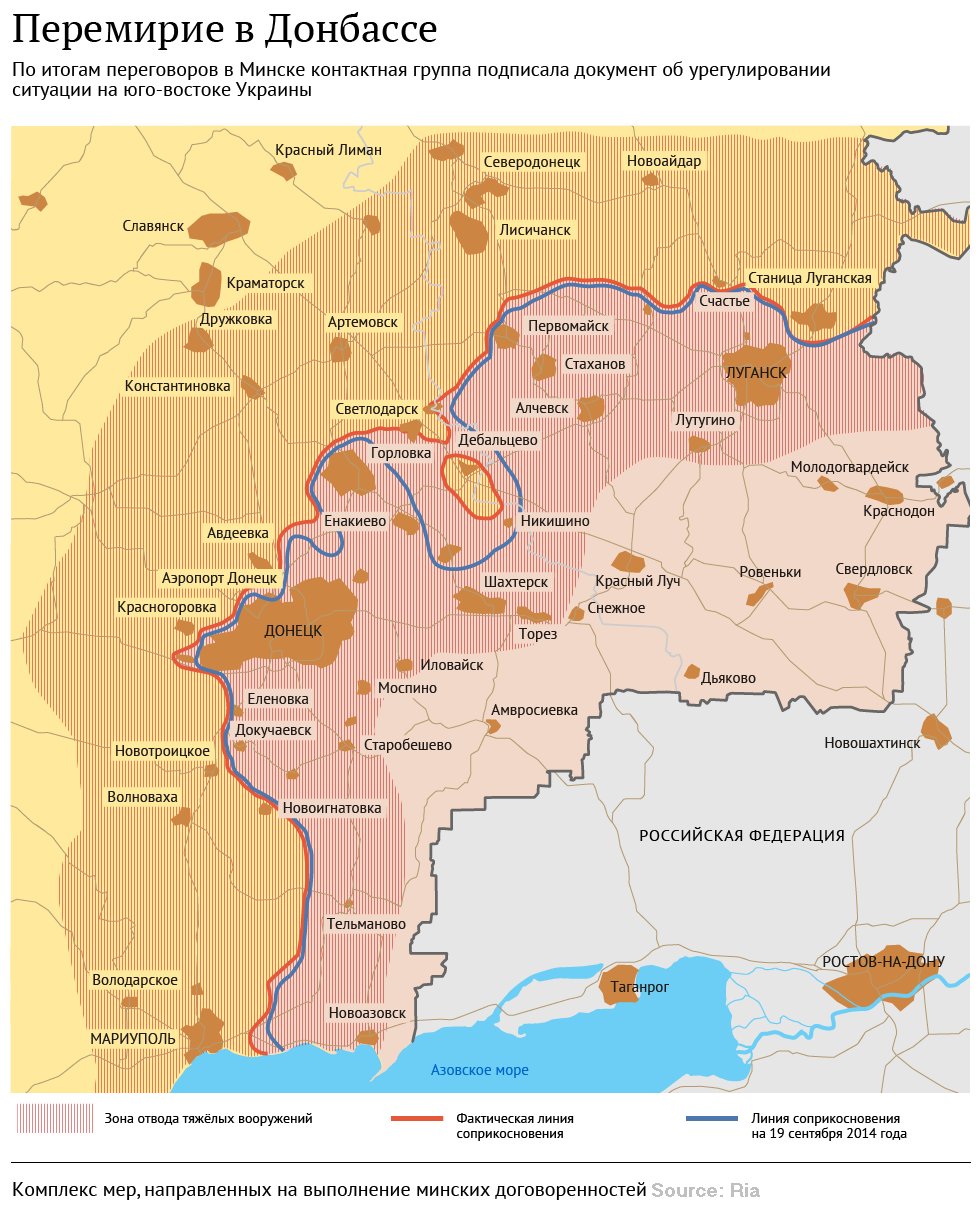
3. Обеспечить эффективный мониторинг и верификацию режима прекращения огня и отвода тяжелого вооружения со стороны ОБСЕ с первого дня отвода, с применением всех необходимых технических средств, включая спутники, БПЛА, радиолокационные системы и пр.
4. В первый день после отвода начать диалог о модальностях проведения местных выборов в соответствии с украинским законодательством и Законом Украины «О временном порядке местного самоуправления в отдельных районах Донецкой и Луганской областей», а также о будущем режиме этих районов на основании указанного закона.
Незамедлительно, не позднее 30 дней с даты подписания данного документа, принять постановление Верховной Рады Украины с указанием территории, на которую распространяется особый режим в соответствии с Законом Украины «О временном порядке местного самоуправления в отдельных районах Донецкой и Луганской областей» на основе линии, установленной в Минском меморандуме от 19 сентября 2014 г.
5. Обеспечить помилование и амнистию путем введения в силу закона, запрещающего преследование и наказание лиц в связи с событиями, имевшими место в отдельных районах Донецкой и Луганской областей Украины.
6. Обеспечить освобождение и обмен всех заложников и незаконно удерживаемых лиц на основе принципа «всех на всех». Этот процесс должен быть завершен самое позднее на пятый день после отвода.
7. Обеспечить безопасный доступ, доставку, хранение и распределение гуманитарной помощи нуждающимся на основе международного механизма.
8. Определение модальностей полного восстановления социально-экономических связей, включая социальные переводы, такие как выплата пенсий и иные выплаты (поступления и доходы, своевременная оплата всех коммунальных счетов, возобновление налогообложения в рамках правового поля Украины).
В этих целях Украина восстановит управление сегментом своей банковской системы в районах, затронутых конфликтом, и, возможно, будет создан международный механизм для облегчения таких переводов.
9. Восстановление полного контроля над государственной границей со стороны правительства Украины во всей зоне конфликта, которое должно начаться в первый день после местных выборов и завершиться после всеобъемлющего политического урегулирования (местные выборы в отдельных районах Донецкой и Луганской областей на основании Закона Украины и конституционная реформа) к концу 2015 года при условии выполнения пункта 11 – в консультациях и по согласованию с представителями отдельных районов Донецкой и Луганской областей в рамках Трехсторонней Контактной группы.
10. Вывод всех иностранных вооруженных формирований, военной техники, а также наемников с территории Украины под наблюдением ОБСЕ. Разоружение всех незаконных групп.
11. Проведение конституционной реформы в Украине со вступлением в силу к концу 2015 года новой конституции, предполагающей в качестве ключевого элемента децентрализацию (с учетом особенностей отдельных районов Донецкой и Луганской областей, согласованных с представителями этих районов), а также принятие постоянного законодательства об особом статусе отдельных районов Донецкой и Луганской областей в соответствии с мерами, указанными в примечании[1], до конца 2015 года. (См. примечание.)
12. На основании Закона Украины «О временном порядке местного самоуправления в отдельных районах Донецкой и Луганской областей» вопросы, касающиеся местных выборов, будут обсуждаться и согласовываться с представителями отдельных районов Донецкой и Луганской областей в рамках Трехсторонней Контактной группы. Выборы будут проведены с соблюдением соответствующих стандартов ОБСЕ при мониторинге со стороны БДИПЧ ОБСЕ.
13. Интенсифицировать деятельность Трехсторонней Контактной группы, в том числе путем создания рабочих групп по выполнению соответствующих аспектов Минских соглашений. Они будут отражать состав Трехсторонней Контактной группы.
Примечание:
Такие меры в соответствии с Законом «Об особом порядке местного самоуправления в отдельных районах Донецкой и Луганской областей» включают следующее:
– освобождение от наказания, преследования и дискриминации лиц, связанных с событиями, имевшими место в отдельных районах Донецкой и Луганской областей;
– право на языковое самоопределение;
– участие органов местного самоуправления в назначении глав органов прокуратуры и судов в отдельных районах Донецкой и Луганской областей;
– возможность для центральных органов исполнительной власти заключать с соответствующими органами местного самоуправления соглашения относительно экономического, социального и культурного развития отдельных районов Донецкой и Луганской областей;
– государство оказывает поддержку социально-экономическому развитию отдельных районов Донецкой и Луганской областей;
– содействие со стороны центральных органов власти трансграничному сотрудничеству в отдельных районах Донецкой и Луганской областей с регионами Российской Федерации;
– создание отрядов народной милиции по решению местных советов с целью поддержания общественного порядка в отдельных районах Донецкой и Луганской областей;
– полномочия депутатов местных советов и должностных лиц, избранных на досрочных выборах, назначенных Верховной Радой Украины этим законом, не могут быть досрочно прекращены.
Документ подписали участники Трехсторонней Контактной группы:
Посол Хайди Тальявини
Второй Президент Украины Л.Д. Кучма
Посол Российской Федерации на Украине М.Ю. Зурабов
А.В. Захарченко
И.В. Плотницкий
Президент Российской Федерации Владимир Путин, Президент Украины Пётр Порошенко, Президент Французской Республики Франсуа Олланд и Канцлер Федеративной Республики Германия Ангела Меркель подтверждают полное уважение суверенитета и территориальной целостности Украины. Они твёрдо убеждены в безальтернативности исключительно мирного урегулирования. Они всецело готовы предпринять любые возможные меры как по отдельности, так и совместно в этих целях.
В этом контексте лидеры одобряют Комплекс мер по выполнению Минских соглашений, принятый и подписанный в Минске 12 февраля 2015 года всеми, кто также подписал Минский протокол от 5 сентября 2014 года и Минский меморандум от 19 сентября 2014 года. Лидеры будут вносить вклад в этот процесс и использовать своё влияние на соответствующие стороны, чтобы способствовать выполнению этого Комплекса мер.
Германия и Франция окажут техническую поддержку для восстановления сегмента банковской системы в затронутых конфликтом районах, возможно, путём создания международного механизма для содействия осуществлению социальных выплат.
Лидеры разделяют убеждение в том, что укрепление сотрудничества между Европейским Союзом, Украиной и Россией будет способствовать урегулированию данного кризиса. В этих целях они поддерживают продолжение трёхсторонних переговоров между Европейским Союзом, Украиной и Россией по вопросам энергетики с тем, чтобы осуществить шаги в развитие «зимнего газового пакета».
Они также поддерживают трёхсторонние переговоры между Европейским Союзом, Украиной и Россией в целях выработки практического решения вопросов, вызывающих обеспокоенность России, в связи с выполнением Соглашения о глубокой и всеобъемлющей зоне свободной торговли между Украиной и Европейским Союзом.
Лидеры по-прежнему привержены идее создания общего гуманитарного и экономического пространства от Атлантики до Тихого океана на основе полного уважения международного права и принципов ОБСЕ.
Лидеры будут и впредь привержены выполнению Минских соглашений. С этой целью они договорились о создании контрольного механизма в «нормандском формате», который будет проводить встречи с регулярной периодичностью, как правило, на уровне старших должностных лиц, представляющих министерства иностранных дел.
L’unico punto finora certo di questo incredibile maxi-negoziato segreto – con diplomatici di 4 Paesi impegnati direttamente e con quelli americani osservatori interessati – è che si sta trattando il cessate il fuoco insieme alla creazione immediata di una zona demilitarizzata, che si estende da 50 a 70 chilometri dalla linea del fronte. Quest’ultima è calcolata sull’attuale situazione creatasi sul terreno nell’ultimo mese e non su quella superata dell’estate scorsa alla base degli accordi di Minsk di settembre. Stando ad alcune rilevazioni, i separatisti hanno conquistato in gennaio circa 500 kmq di territorio governativo. 
Il vero pericolo per i civili è rappresentato dalle artiglierie pesanti, utilizzate a tutto spiano dalle due parti in causa. Allontanarle così tanto dalla linea del fronte significa garantire sicurezza. Da buoni militari ex sovietici sia gli uni che gli altri prima radono al suolo i possibili siti nemici poi fanno avanzare la fanteria ed i carri armati.
Il secondo punto riguarda l’ingresso in Ucraina orientale di una forza di interposizione o di pace. Gli occidentali e gli ucraini puntano alla presenza di caschi blu dell’Onu, mentre i separatisti sono favorevoli soltanto ad unità composte da militari provenienti da Paesi ex sovietici.
Il terzo punto, forse il più dolente, è la chiusura della frontiera gruviera tra Ucraina e Russia. Al momento non è chiaro come si possa realizzarlo, ma appare evidente che qualcuno dei contendenti debba cedere.
Sulle questioni prettamente politiche Kiev è disposta a concedere ampia autonomia ai distretti del Donbass e Lugansk in mano ai separatisti, che, però, non hanno alcuna voglia di tornare sotto la giurisdizione ucraina. Il Cremlino vorrebbe la “federalizzazione” della repubblica slava sorella, ma su questo aspetto non si negozia. L’unica soluzione è un conflitto congelato come in Dniestr, dove dal 1992 esiste uno Stato “non riconosciuto”, formalmente parte della Moldova, ma in realtà indipendente.
gda
« … и Италия, и Россия переживают непростые времена. Из-за евро (или благодаря евро) Рим не может проводить традиционную в прошлом политику девальвации национальной валюты, чтобы «дать кислород» своей экономике. Как и во всех перерабатывающих странах, индустриальное производство является показателем здоровья Италии. Температура сейчас высокая!..
Теперь о России. Когда в 2009 году я писал, что у нее есть серьезные структурные экономические недостатки, ко мне относились как к очередной Кассандре: некоторые друзья и коллеги просто надо мной смеялись…
…почему тогда долгие годы ответственные деятели практически ничего не делали, чтобы изменить столь опасное положение, слезть с нефтяной иглы?
«Доверие» — вот волшебное слово в политике, экономике! Почему Италия и Япония до сих пор не обанкротились, хотя у первой госдолг составляет 135% ВВП, а у второй — аж 240%? Конечно, тому есть солидные макроэкономические объяснения. Но самое главное, что экономика — это не точная наука, а эмпирическая. В современном глобальном мире если рынки тебе не доверяют, то у тебя нет будущего. Остается надеяться, что в 2015 году курс ветра для России изменится… »
Статья – Джузеппе Д’Амато Московский Комсомолец №26717 от 16 января 2015 Giuseppe D’Amato Moskovskij Komsomolets
Je suis Charlie!
8 Jan 2015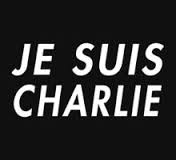
Obama, “Putin is not a chess master” player.
22 Dec 2014 Mr. Putin is not “the chess master and outmaneuvering the West and outmaneuvering Mr Obama and this and that and the other.”
Instead, Putin’s policies and the stringent economic sanctions they had prompted against Russia by the West had led to a “huge economic contraction” Obama said in an interview.
“Right now, he’s presiding over the collapse of his currency, a major financial crisis and a huge economic contraction,” Obama told CNN‘s “State of the Union” program.
“That doesn’t sound like somebody who has rolled me or the United States of America.”
Donald Tusk, New EU President.
1 Dec 2014 Today is my first day in office as President of the European Council. As you can imagine it is a very important day for me. And I hope that it is for you as well. If you are a little nervous about this replacement, the change of boss, don’t worry, I’m a little nervous, too. In fact it is a great honour for me to start working here. And of course a great challenge. 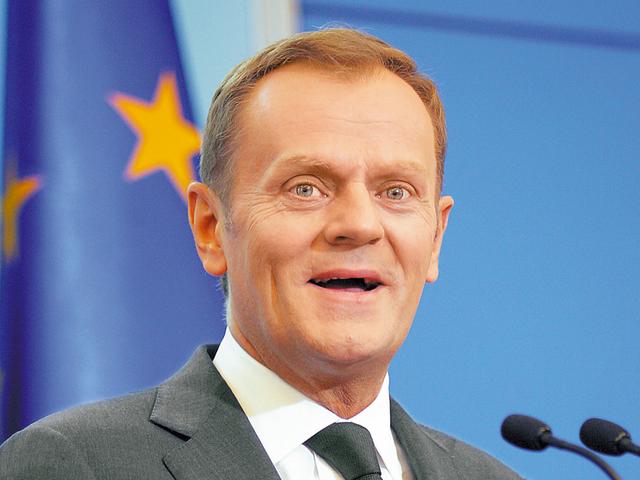 First and foremost because Herman Van Rompuy, our first permanent President, will be a tough act to And it is not a compliment, dear Herman, it is a fact. I am perhaps your greatest admirer in Europe. Not because you supported my election as your successor… or at least not only. It is no exaggeration when I say that you helped to steer us, to steer Europe out of the storm.
For five years – as one of the Prime Ministers around the table – I witnessed your skills: creating compromises; finding solutions; establishing trust, among often tough characters (I was no angel myself). Yes: Herman Van Rompuy in fact personifies traditional European political principles, which are also important to me: trust, common sense, moderation and decency. We all thank you for the excellent work you have done, Herman.
Dear colleagues, mes chers collègues, I also thank you for the great job you have done. I am aware of the importance of your work of protocol, of press, of interpretation, of translation, of security, of political advice, and all the other tasks and roles of this house. You were all an important part of Herman Van Rompuy’s success. And I d eeply believe that you will all be an important part of our future success. I come here with a strong sense of purpose. In these difficult times Europe needs success. And success for Europe, in the coming years, means in my opinion four things:
First, protecting our fundamental values: solidarity, freedom, unity against the threats to the Union and its unity coming from both inside and outside. Today, not only are eurosceptics questioning the EU’s value, the Union even has enemies. Politics has returned to Europe, history is back, and such times need leadership and political unity.
Second, we need ruthless determination to end the economic crisis. It is our responsibility to complete the genuine Economic Monetary Union. I take this task very seriously. And we must remember that our common currency, the Euro, is our advantage, not our disadvantage.
Third, the European Union must be strong internationally. Europe has to secure its borders and support those in the neighbourhood who share our values.
And fourth, the relations between Europe and the United States are the backbone of the community of democracies. Both we and the Americans are responsible for the future of our relations. The year ahead will be crucial. For all of these things, I will need your help at every step of the way. I already know a lot about your dedication, your determination, your expertise. That gives me great confidence. Confidence that we will work as a team.
Je me réjouis à l’idée de travailler avec vous. (That was French.)
Merci Dank u wel, Herman. Thank you. Dziękuję bardzo, Polsko.
Welcome
We are a group of long experienced European journalists and intellectuals interested in international politics and culture. We would like to exchange our opinion on new Europe and Russia.
Categories
- Breaking News (11)
- CIS (129)
- Climate (2)
- Energy&Economy (115)
- EU Eastern Dimension (85)
- Euro 2012 – Sochi 2014 – World Cup 2018, Sport (43)
- Euro-Integration (135)
- History Culture (198)
- International Policy (261)
- Military (74)
- Interviews (18)
- Italy – Italia – Suisse (47)
- Odd Enough (10)
- Poland and Baltic States (126)
- Religion (31)
- Russia (421)
- Survey (4)
- Turning points (4)
- Ukraine (176)
- Российские страницы (113)
Archives
- November 2020
- October 2020
- September 2020
- August 2020
- July 2020
- May 2020
- April 2020
- March 2020
- January 2020
- December 2019
- November 2019
- October 2019
- September 2019
- August 2019
- July 2019
- June 2019
- May 2019
- April 2019
- March 2019
- February 2019
- December 2018
- November 2018
- October 2018
- September 2018
- August 2018
- July 2018
- June 2018
- May 2018
- April 2018
- March 2018
- February 2018
- January 2018
- December 2017
- November 2017
- October 2017
- September 2017
- August 2017
- July 2017
- May 2017
- March 2017
- January 2017
- December 2016
- November 2016
- October 2016
- September 2016
- July 2016
- June 2016
- May 2016
- April 2016
- February 2016
- January 2016
- November 2015
- October 2015
- September 2015
- June 2015
- April 2015
- March 2015
- February 2015
- January 2015
- December 2014
- November 2014
- October 2014
- September 2014
- August 2014
- July 2014
- June 2014
- May 2014
- April 2014
- March 2014
- February 2014
- January 2014
- December 2013
- November 2013
- October 2013
- September 2013
- August 2013
- July 2013
- June 2013
- May 2013
- April 2013
- March 2013
- February 2013
- January 2013
- December 2012
- November 2012
- October 2012
- September 2012
- August 2012
- July 2012
- June 2012
- May 2012
- April 2012
- March 2012
- February 2012
- January 2012
- December 2011
- November 2011
- October 2011
- September 2011
- August 2011
- July 2011
- June 2011
- May 2011
- April 2011
- March 2011
- February 2011
- January 2011
- December 2010
- November 2010
- October 2010
- September 2010
- August 2010
- July 2010
- June 2010
- May 2010
- April 2010
- March 2010
- February 2010
- January 2010
- December 2009
- November 2009
- October 2009
- September 2009
- August 2009
Our books