International Policy
La tragedia dell’irresponsabilità delle leadership, degli Stati che perdono il loro ruolo guida nella comunità internazionale, dei nuovi membri Ue che utilizzano la “casa comune europea” come un condominio per saldare vecchi conti col passato sovietico. Queste sono solo alcune delle componenti che hanno concorso a provocare l’abbattimento del Boeing malese oltre al permesso di far volare un aereo civile sopra ad una zona di guerra. 
Adesso siamo di fronte al classico “casus belli”. Proprio nell’anno in cui si è ricordato con terrore l’attentato del 28 giugno 1914 a Sarajevo. Un incendio, per ora limitato ad un paio di regioni, potrebbe diventare gigantesco se chi di dovere non si ergerà a pompiere.
La guerra del Donbass e di Lugansk, nella terribile realtà dei fatti, non interessa quasi a nessuno. Era già un conflitto dimenticato dai grandi mass media mondiali. La Russia ha perso da un pezzo la partita di creare la “Novaja Rossija”, una fascia che dal suo confine arriva fino ad Odessa. Gli occidentali tremano invece al pensiero di iniziare a spedire miliardi in serie per riconvertire un’economia locale non concorrenziale con i livelli europei. Restano solo i governativi ucraini che a fatica non riescono ad avere la meglio di 10-12mila miliziani, rafforzati da abili professionisti venuti da fuori.
Ora il dramma del Boeing, proprio mentre la diplomazia attendeva stancamente il ritorno del Donbass e di Lugansk sotto l’egida di Kiev per aprire il vero negoziato.
Il nocciolo del problema è rappresentato dal futuro della Crimea, dai rapporti russo-ucraini, da quelli russo-europei ed americani. Che cosa si vuole fare? Isolare Mosca?
L’obiettivo finale, ci raccontavano diplomatici occidentali, è quello di ridimensionare la Russia geopoliticamente ed economicamente. Il progetto euroasiatico – Europa più Russia – per il mondo globalizzato del XXI secolo è fallito. Ecco perché il Cremlino ha volto lo sguardo verso la Cina, che timorosamente ha accettato il corteggiamento, non dimenticando tuttavia la sua complessa relazione con gli Stati Uniti. Le forniture russe al Vecchio Continente nell’arco di 2-3 anni verranno ridotte a vantaggio degli approvvigionamenti di “shale” gas e petrolio americano. Immaginabili le conseguenze per il budget di Mosca!
Al momento solo tanta intelligenza e calma servono per uscire da questa complicatissima situazione. L’immediata tregua fra le parti in conflitto e l’inizio di serie trattative appaiono indispensabili. Ma per evitare di discutere sul nulla sono necessari atti politici da parte di Kiev con la definizione di un documento – da far entrare nella futura Costituzione – in cui vengano definiti i poteri delle autonomie locali e vengano accordate garanzie sull’uso delle lingue.
Ma perché poi la Nato non dichiara una volta per tutte che l’Ucraina non sarà suo membro per i prossimi 50 anni? E che i suoi piani anti-missilistici in Europa coinvolgeranno in futuro anche la Russia, non appena raggiungerà livelli più democratici interni?
A Vladimir Putin non resterà così che prendere atto che il mondo con le sfere di influenza non esiste più.
Giuseppe D’Amato
Eduard Shevardnadze, Soviet foreign minister and then president of Georgia, died on July 7th.
12 Jul 2014THE obscure provincial leader was at first sight an unlikely choice to be foreign minister of the world’s largest country. Eduard Shevardnadze did not even want the job: he spoke only his native Georgian and heavily accented Russian, had no important foreign contacts, and had barely travelled abroad. But Mikhail Gorbachev was immovable. The new Soviet leader wanted big changes—and the “Silver Fox”, his friend since the 1950s, to make them….
Article The Economist.
Ukraine situation: Australia designates 50 persons and 11 entities subject to Australia’s autonomous sanctions
On 19 June 2014 the Autonomous Sanctions (Designated Persons and Entities and Declared Persons – Ukraine) List 2014 (the Ukraine List) commenced.
The Ukraine List gives effect to announcements by the Minister of Foreign Affairs on 19 March and 21 May 2014 to impose targeted financial sanctions and travel bans against persons and entities responsible for, or complicit in, the Russian threat to the sovereignty and territorial integrity of Ukraine.
The 50 persons and 11 entities named in Schedule 1 of the Ukraine List satisfy the criteria in regulation 6 of the Autonomous Sanctions Regulations 2011 to be designated for targeted financial sanctions or declared for travel bans. The details of these persons and entities have been published in the DFAT Consolidated List.
Further information: Ukraine sanctions page
La crisi ucraina è una mina nelle relazioni est-ovest. Per alcuni Paesi – ad esempio Germania, Francia ed Italia – rischia di avere anche pesanti ripercussioni, considerando l’alto grado di sviluppo dei rapporti economici con Russia ed Ucraina. 
L’obiettivo di trovare una qualche soluzione rapida diventa col passare delle settimane e dei mesi una vera esigenza per limitare i danni. La complessità della crisi non consente l’utilizzo di percorsi semplici, ma serve un intervento globale a largo respiro e, se necessario, il coraggio di scelte non convenzionali.
* * *
Sono principalmente tre i livelli su cui agire:
1. mediazione tra Mosca e Kiev; 2. riformulazione dei rapporti bilaterali Russia-Ue; 3. ridefinizione delle relazioni Russia-Nato.
* * *
1. L’accordo per un cessate il fuoco si scontra con l’attuale necessità delle parti di giungere ad una futura trattativa da posizioni di forza. Soltanto l’invio di unità dei Paesi dell’Osce, l’Organizzazione per la Sicurezza e la Cooperazione in Europa, può evitare in Ucraina orientale un bagno di sangue. Un qualche negoziato può iniziare sulla base di concessioni, messe per iscritto, del governo centrale in materia di autonomia regionale. Ma servirà una mediazione esterna, apprezzata sia da russi che da ucraini.
Per la Crimea, sono necessari, invece, approcci non convenzionali. Altrimenti la penisola contesa si troverà stritolata dal presente conflitto.
2. La presa di coscienza della reciproca necessità e dei vantaggi incommensurabili di una collaborazione fruttifera tra Russia ed Ue è la base di partenza. Le 4 macroaree su cui sono imperniate le relazioni bilaterali sono state superate dagli eventi. Urge una più ambiziosa riformulazione dei rapporti con passi significativi, ad iniziare dall’abolizione immediata dei visti.
3. L’architettura di Pratica di Mare è entrata in crisi. Il coinvolgimento di Mosca nella questione delle difese anti-missilistiche in Europea è la chiave di volta per la sicurezza continentale.
* * *
Cosa rischia l’Italia?
Siamo davanti ad un cambiamento geostrategico, comparabile a quello avutosi nel XVI secolo.
1. Nella precedente architettura l’Italia era destinata a diventare un “hub” energetico. La costruzione del Nord Stream per il consorzio russo-tedesco, quella già avvenuta in precedenza del Blue Stream verso la Turchia e la futura del South Stream consegnava al BelPaese una posizione invidiabile.
In futuro gli approvvigionamenti dello shale gas dagli Stati Uniti, che giungeranno nei porti dell’Atlantico, allontaneranno l’Italia dalle grandi rotte dell’energia, rischiando di annacquare il valore di un “partner strategico” come la Russia.
2. Il volume degli scambi commerciali ed industriali – rivelatisi fondamentali negli ultimi anni per le medie e piccole imprese italiane – con Russia ed Ucraina rischia di ridimensionarsi.
La Presidenza semestrale italiana dell’Unione europea dal 1 luglio 2014 è un’occasione che non va assolutamente sprecata.
Giuseppe D’Amato
The leader of the Crimean Tatars Mustafa Dzhemilev received the Solidarity Prize from Polish President Bronislaw Komorowski on the day the country marks 25 years since the end of communism. 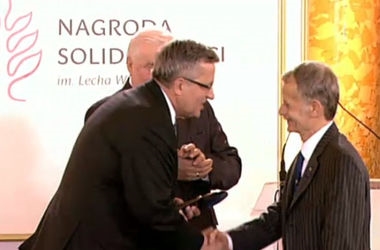
New Ukrainian President Petro Poroshenko, US secretary of State Kerry, Swedish minister of Foreign Affairs Bildt, former Polish President Lech Walesa took part at the ceremony.
Mustafa Dzhemilev was banned from entering Russian territory, including the recently annexed Crimea, after he condemned the March referendum.
On Monday evening Dzhemilev told Polish public television station TVP that the Crimean Tatars would continue to fight for their rights.
“We are not going to wage war against Russia, We have not shed anyone’s blood, We will fight for our rights with peaceful means.” he said.
Dzhemilev, like the vast majority of Crimean Tatars, was deported from his homeland in 1944, and he grew up in Uzbekistan, where he was involved in dissident activities. He returned to Crimea in 1989.
“For years, Mustafa Dzhemilev has been promoting democracy and civil rights and civil liberties in Ukraine, specifically among the Tatar community,” Foreign Minister Radoslaw Sikorski said.
“The people of Ukraine made a very good choice, I have known Petro Poroshenko for many years,” said Dzhemilev of the presidential elections of 25 May.
“He is a patriot, an honest man, even though a businessman. It is very important for me that he said that the most important matter is to free Crimea from the occupation. Without being released from the occupation, we cannot imagine how we will be able to live on,” he added.
From Polskie Radio, TVP
Mustafa Dzhemilev’s battle for Crimea – Deutsche Welle
Il vento è cambiato in Ucraina. Con la scelta di un presidente, legittimato dall’investitura popolare addirittura senza il ballottaggio, il presunto vuoto di potere a Kiev è stato colmato. La Russia ha per questo, almeno parzialmente, cambiato il proprio approccio alla crisi, dopo aver ritirato le truppe dalla frontiera la settimana prima delle elezioni.
La fase – definiamola “militare regolare” -, è per il momento chiusa. Invadere “ufficialmente” il Donbass e la regione di Lugansk sarebbe un inutile suicidio politico – diplomatico. Mosca erediterebbe realtà socio-economiche difficilissime, che necessitano di rilevanti investimenti finanziari. Che ci pensi l’Europa a prendersi un tale fardello!” 
Il Cremlino ora mira ad incassare gli oltre due miliardi di dollari di forniture di gas non pagate dagli ucraini, che, dal canto loro, sono disposti sì a saldare il conto, ma soltanto in cambio di un futuro prezzo equo. Altrimenti Kiev si rivolgerà al Tribunale arbitrale di Stoccolma e la Gazprom sarà costretta ad aspettare i suoi soldi ancora chissà quanto.
La Russia ha adesso non poco da perdere: il vantaggio accumulato nelle settimane post deposizione di Janukovich è finito. Ecco la ragione delle timide aperture diplomatiche di queste ore. Mosca, però, non vuole mediatori occidentali tra i piedi. La ragione è semplice: gli europei hanno colpe enormi nello scoppio della crisi; i ministri degli Esteri polacco, francese e tedesco hanno garantito il 20 febbraio scorso un accordo per la sopravvivenza politica di Janukovich, sconfessato dagli eventi dopo manco una notte.
La diplomazia russa ha quindi iniziato una mini-offensiva con contatti a più livelli. Il presidente Putin ha parlato al telefono con Matteo Renzi. L’Italia avrà dal primo luglio la presidenza di turno semestrale dell’Ue. Il Cremlino si attende un aiuto dagli storici partner per uscire da questo pantano.
Giuseppe D’Amato
У ЯСТРЕБОВ КУРИНЫЕ МОЗГИ
28 May 2014Россия неприкрыто вмешивается во внутренние дела Украины. Рамзан Кадыров может многое, но не все. Например, не может запретить своим бойцам рассказывать в Донецке западным журналистам, кто они такие и что они прибыли сюда защищать интересы РФ.
По-пацански это, конечно, круто, но лишает Россию политического маневра. Теперь никто в мире не поверит, что “Россия тут не причем, это местные ополченцы”. Россия таким образом становится де-факто воюющей стороной. Это плохой выбор и никудышная политика (про спонсорство международного терроризма я уж не говорю).
Тем больше будет поддержка Украины со стороны США и ЕС. Тем меньше шансов у России избежать ужесточения санкций. И даже просто эффективно лоббировать интересы Газпрома. Россия, конечно, очень крутая, она может плевать на всех. Но есть опасность, что и все теперь могут наплевать на нее.
Боюсь, ничем хорошим это не кончится. Даже если руками боевиков, не только чеченских, Донбасс будет отрезан от Украины, это не принесет России никаких бонусов. Исключительно и только проблемы, ком которых продолжит нарастать с каждым днем. Хотя и Крыма для международной изоляции вполне достаточно. 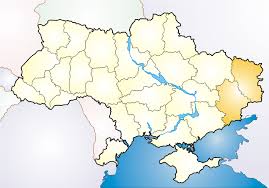
Такая “пацанская” политика — когда весь мир с наглой ухмылкой держат за дураков — хороша в режиме “гоп-стоп”, но перспективе это удавка на собственной шее. Как можно этого не осознавать?
Россия должна прекратить копать себе политическую и экономическую яму и отозвать боевиков из Донбасса. Бездумное “продолжение банкета” обернется поражением страны и всех ее граждан. И не когда-то в далеком будущем, а довольно скоро.
Граждане России, возможно, удобны как объект пропаганды, и это расслабляет пропагандистов. Но россияне поймут, в каком глубоком тупике оказались, на личном опыте (растущее раздражение “новой жизнью” в Крыму — тому свидетельство), и тогда у власти возникнут серьезные проблемы внутри страны. Пример Абхазии — ну, куда уж ближе, от нее (него) до “большой России” рукой подать. И что тогда делать будем, хватит ли вежливых людей на всех недовольных? Неужели и это никому из принимающих решения не понятно?
Крымнашизмом долго сыт не будешь. В изоляции от мира “красиво” не заживешь. Ястреб только с виду благородная птица. У ястребов всегда куриные мозги. А когда народ окончательно придет в себя, будет плохо. И ястребам в том числе. Крутизна — это классно смотрится, но с нее обычно падают в пропасть.
Blog – Ayder Muzhdabaev – Айдер Муждабаев – Facebook
Sono le stragi di Odessa e Mariupol, più che il referendum sull’autonomia in Donbass e nella regione di Lugansk, a portare dei cambiamenti in Ucraina orientale. Le due tragedie sono state un volano per far assegnare agli occhi delle disorientate opinioni pubbliche locali punti agli argomenti strombazzati dalla penetrante propaganda televisiva russa. 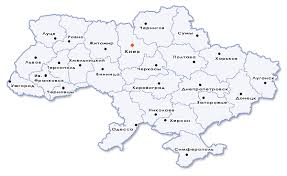
Il senso è chiaro e diretto. Primo: a Kiev c’è gente che usa la forza contro il proprio popolo. Secondo: al potere si sono insediati dei “fascisti”, nipoti degli storici nemici dell’Ucraina occidentale. Miglior benzina da buttare sul fuoco della destabilizzazione non poteva essere trovato.
La ragione delle file di elettori durante la consultazione organizzata dai filo-russi è semplice: a Mariupol vi erano in funzione soltanto una decina di seggi per mezzo milione di abitanti; a Donetsk, quasi 50 per un milione. Le liste elettorali sono state un optional.
Ad inizio crisi soltanto il 5% degli ucraini orientali guardava al Cremlino come soluzione per i problemi socio-economici. Adesso sono circa il 30%. I perché di questa brusca salita sono il vuoto di potere e la propaganda russa.
Ignorare la dimostrazione di pensiero di domenica 11 maggio è tuttavia foriero di sventure ed essa va contestualizzata sul piano interno e non su quello geopolitico internazionale in presenza di una posizione di attesa del Cremlino.
Capire chi sta dietro alla Repubblica popolare di Donetsk aiuta a comprendere cosa sta realmente succedendo. Il suo principale finanziatore è il presidente deposto Viktor Janukovich, riparato nella vicina Rostov, che del Donbass è stato a lungo governatore, poi referente politico. Contraddittorio è il comportamento del suo tradizionale sponsor Rinat Akhmetov, che guida un gruppo da 300mila persone, con interessi sia in Russia che in Europa. Infatti è per un’Ucraina unita, ma con l’Est fortemente autonomo da Kiev.
Secondo il politologo Taran, se prima Janukovich e Akhmetov agivano insieme, “adesso ognuno di loro ha un suo obiettivo”. Il primo potrebbe voler tornare in Patria come leader di un nuovo Stato. Il secondo, pare, non essere d’accordo ed avrebbe appena scelto Julija Timoshenko, come candidato per le presidenziali ucraine del 25 maggio.
Il favoritissimo magnate Poroshenko appartiene al gruppo rivale, radunatosi intorno agli oligarchi Firtash ed Kolomojskij. Quest’ultimo, governatore di Dnepropetrovsk, è la “stella” nascente. Si è inventato un modello per “contenere” i filo-russi con milizie locali.
A Mariupol, i separatisti hanno assaltato, distruggendola, la filiale della sua “Privatbank”. Dopo pochi giorni la Guardia nazionale di Dnepropetrovsk ha riportato l’ordine sul mare d’Azov, ma 7 persone sono morte negli scontri. Quindi sono uscite in strada le ronde, composte da lavoratori della locale mega-azienda di Akhmetov, indirettamente a difesa del secondo porto del Paese, da cui transita grano e l’acciaio esportato.
Ad Odessa, invece, i disordini del 2 maggio hanno fatto saltare il locale governatore-magnate, Vladimir Nemirovskij, vicino al premier Jatseniuk, che, prima di andarsene, ha denunciato come mandanti della tragedia al palazzo dei Sindacati gente vicina alla Timoshenko. Al suo posto è stato scelto Igor Palitsa, “braccio destro” – guarda caso – di Kolomojskij.
In conclusione, i “Paperoni” in dollari e grivne, insigniti da Kiev della carica di governatori dopo la fine del Majdan per mantenere insieme l’Ucraina, stanno sfruttando questa crisi per saldare conti in sospeso tra loro.
Il risultato può essere alla fine la “somalizzazione” della repubblica ex sovietica.
Giuseppe D’Amato
OSCE, in Slavyansk not monitors, but Military verification team sent from OSCE countries.
26 Apr 20141/4 Comms with military observers in Donetsk region lost.Team not OSCE monitors but sent by States under Vienna Doc on military transparency
7:35 PM – 25 Apr 2014
2/4 All members of the OSCE Special Monitoring Mission and OSCE/ODIHR election observers are safe and accounted for
7:36 PM – 25 Apr 2014
3/4 Military verification team – led by Germans – and composed of 8 members – 4 Germans, 1 Czech, 1 Danish, 1 Polish, 1 Swedish
7:36 PM – 25 Apr 2014
4/4 Military verification team sent following invitation from Ukraine under terms of Vienna Document 2011
7:37 PM – 25 Apr 2014
Source: OSCE.org
—
The Vienna Document is an agreement between the participating states of the Organization for Security and Co-operation in Europe implementing confidence and security building measures. 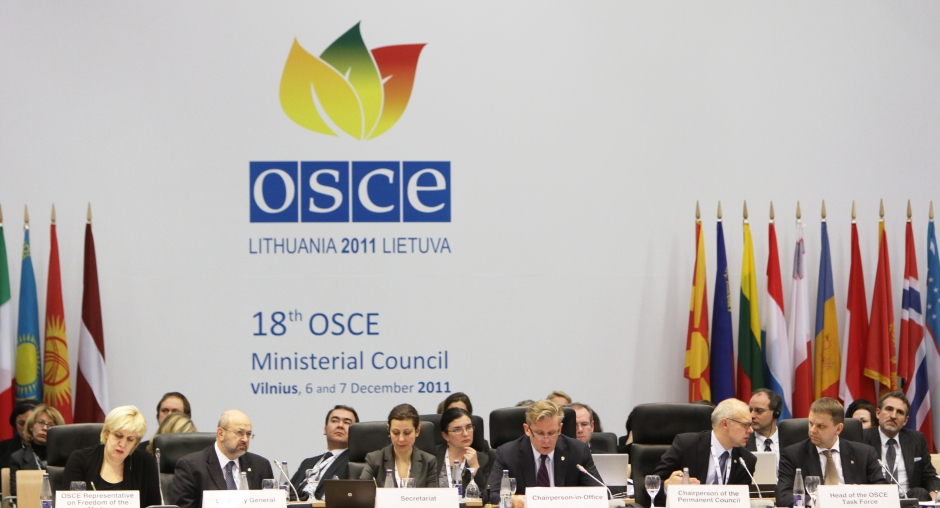
Its provisions include an annual exchange of military information about forces located in Europe (defined as the Atlantic to the Urals), notifications for risk reduction including consultation about unusual military activities and hazardous incidents, prior notification of certain military activities, observation of certain military activities, exchange of annual calendars, and compliance and verification by inspection and evaluation visits.
This exchange differs from the Global Exchange of Military Information in that it is limited to forces in Europe, while the Global Exchange of Military Information applies to all forces of the participating states, wherever located.
The annual exchange of information is conducted concurrently with the annual exchange of information under the Conventional Forces in Europe treaty, in Vienna, Austria in December of each year. The Vienna Document has been revised periodically, and the current version is the 2011 version.
From Wikipedia
—
Overview of Vienna Document 2011
Vienna Document 2011 (VD11) is composed of politically binding confidence and security-building measures (CSBMs) designed to increase openness and transparency concerning military activities conducted inside the OSCE’s zone of application (ZOA), which includes the territory, surrounding sea areas, and air space of all European (Russia from the western border to the Ural Mountains) and Central Asian participating States. A variety of information exchanges, on-site inspections, evaluation visits, observation visits, and other military-to-military contacts take place according to VD11 provisions. In the case of the United States (and Canada), only military forces and activities inside the ZOA are impacted.
VD11 builds on previous agreements: the 1975 Helsinki Final Act, the Document of the Stockholm Conference of 1986, the 1992 Helsinki Document, and the Vienna Documents of 1990, 1992, 1994, and 1999. It is part of an interlocking web of mutually enforcing agreements, including the Treaties on Conventional Arms Control in Europe (CFE) and Open Skies, which form the current European conventional arms control framework.
« … Американцы оказались «на расстояния броска» от приобретения нового авианосца — авианосца по имени Украина… Заместитель государственного секретаря США Виктория Нуланд на днях призналась: начиная с 1991 года Америка потратила на «поддержку демократии» на Украине 5 миллиардов долларов. Для рядового гражданина пять миллиардов зеленых — гигантская, поражающая воображение сумма… 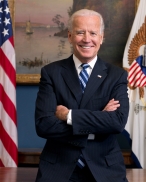
И вот сейчас у Вашингтона нежданно-негаданно появилась возможность срубить с этих трат фантастические дивиденды. Любая разумная внешняя политика основана на попытке решить свои проблемы чужими руками. Ты подбадриваешь, говоришь прочувственные, добрые и красивые слова, иногда под звуки фанфар вручаешь своему «партнеру» конверт с мелочишкой. А «другой парень» тем временем таскает для тебя каштаны из огня, мучается, обжигается, задыхается и слышит «возгласы одобрения»: «Давай снова в огонь! У тебя получается!»
С моей точки зрения, в вышенаписанном абзаце заключен весь глубинный смысл американского курса по отношению к Украине. Официальный Вашингтон рассматривает путинскую Россию как недобитого противника по холодной войне. По мнению американских стратегов, РФ давно должна была прекратить на что-либо претендовать и встроиться в ряды «младших партнеров». А так как Москва «по недомыслию» делать это отказывается, на нее натравливают самого близкого соседа и родственника… »
Статья – Михаил Ростовский – МК
Welcome
We are a group of long experienced European journalists and intellectuals interested in international politics and culture. We would like to exchange our opinion on new Europe and Russia.
Categories
- Breaking News (11)
- CIS (129)
- Climate (2)
- Energy&Economy (115)
- EU Eastern Dimension (85)
- Euro 2012 – Sochi 2014 – World Cup 2018, Sport (43)
- Euro-Integration (135)
- History Culture (198)
- International Policy (261)
- Military (74)
- Interviews (18)
- Italy – Italia – Suisse (47)
- Odd Enough (10)
- Poland and Baltic States (126)
- Religion (31)
- Russia (421)
- Survey (4)
- Turning points (4)
- Ukraine (176)
- Российские страницы (113)
Archives
- November 2020
- October 2020
- September 2020
- August 2020
- July 2020
- May 2020
- April 2020
- March 2020
- January 2020
- December 2019
- November 2019
- October 2019
- September 2019
- August 2019
- July 2019
- June 2019
- May 2019
- April 2019
- March 2019
- February 2019
- December 2018
- November 2018
- October 2018
- September 2018
- August 2018
- July 2018
- June 2018
- May 2018
- April 2018
- March 2018
- February 2018
- January 2018
- December 2017
- November 2017
- October 2017
- September 2017
- August 2017
- July 2017
- May 2017
- March 2017
- January 2017
- December 2016
- November 2016
- October 2016
- September 2016
- July 2016
- June 2016
- May 2016
- April 2016
- February 2016
- January 2016
- November 2015
- October 2015
- September 2015
- June 2015
- April 2015
- March 2015
- February 2015
- January 2015
- December 2014
- November 2014
- October 2014
- September 2014
- August 2014
- July 2014
- June 2014
- May 2014
- April 2014
- March 2014
- February 2014
- January 2014
- December 2013
- November 2013
- October 2013
- September 2013
- August 2013
- July 2013
- June 2013
- May 2013
- April 2013
- March 2013
- February 2013
- January 2013
- December 2012
- November 2012
- October 2012
- September 2012
- August 2012
- July 2012
- June 2012
- May 2012
- April 2012
- March 2012
- February 2012
- January 2012
- December 2011
- November 2011
- October 2011
- September 2011
- August 2011
- July 2011
- June 2011
- May 2011
- April 2011
- March 2011
- February 2011
- January 2011
- December 2010
- November 2010
- October 2010
- September 2010
- August 2010
- July 2010
- June 2010
- May 2010
- April 2010
- March 2010
- February 2010
- January 2010
- December 2009
- November 2009
- October 2009
- September 2009
- August 2009
Our books