Turning points: Syria and the Russian diplomacy. Stalingrad syndrome.
“Damascus is the “Stalingrad” of Russian diplomacy. After years of geopolitical withdrawal, Moscow has chosen Syria as a way to revive its image of power in the world. “Not one step back” is the Kremlin’s new strategy, as it was for the Red Army along the banks of the Volga river during World War II. To be more convincing, the Kremlin has simultaneously flexed its muscles by supplying sophisticated […]
Brexit in salsa russa.
22 Jun 2016 Vladimir Putin è uno dei convitati di pietra al Brexit. Il profilo tenuto dal Cremlino sulla questione è bassissimo, ma l’attenzione è massima. In caso di addio della Gran Bretagna, i nazionalisti russi già pregustano l’indebolimento dell’Unione europea ed il possibile scioglimento del Regno Unito con l’indipendenza della Scozia. Senza far nulla Mosca si potrebbe levare di torno in un colpo solo due fortissimi concorrenti e si concretizzerebbero i gloriosi progetti di egemonia per il XXI secolo. 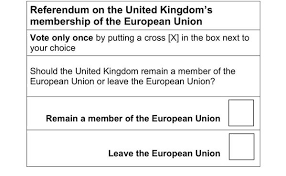
Nel 2014 con l’allargamento ad Est dell’Ue i Paesi ex satelliti del Cremlino hanno trovato nel polo occidentale un qualcosa di più attraente ed infatti i due Majdan in Ucraina ne sono una conseguenza indiretta. Ora Putin sta tentando di dare una sterzata rispetto a questo corso e contemporaneamente di rientrare nei grandi giochi mondiali.
Appunto, il Grande Gioco, che vide russi e britannici lottare per tutto l’Ottocento, con l’odiata Londra che sbarrò alla San Pietroburgo zarista la strada ai mari caldi del sud. I primi hanno costruito un impero sulla contiguità territoriale; gli altri sul suo modello opposto, transoceanico. Nel Ventesimo secolo la Gran Bretagna ha perso di continuo pezzi, ma la sua influenza, seppur ridimensionata, è rimasta. E i russi non se ne danno pace, visto cosa è successo a loro dopo il crollo dell’Urss. Si è sviluppata una sorta di complesso verso gli inglesi, tanto che, nel 2013 il portavoce del Cremlino definì il Regno Unito “l’isoletta”.
Cosa sia il Vecchio Continente senza un progetto comune lo sanno tutti: basta sfogliare i manuali di storia. Ai campionati di calcio in Francia si è avuto un breve ripasso. “Duecento dei nostri hanno spazzato via migliaia di inglesi”, Putin ha commentato, pur condannando i fatti.
gda
Forum San Pietroburgo, sanzioni in primo piano.
16 Jun 2016 “Servono azioni coordinate per garantire una crescita sostenibile ed equilibrata”. Questo uno dei passaggi principali contenuti nel messaggio del presidente russo, Vladimir Putin, in occasione dell’inaugurazione del ventesimo Forum economico di San Pietroburgo. Alla manifestazione partecipano oltre alcune centinaia di compagnie internazionali nonché un’autorevole rappresentanza politica, tra cui il segretario dell’Onu, Ban Ki-moon. 
Sul Baltico si tenta in realtà di riavvicinare i due poli continentali, le cui relazioni sono provate dalla crisi ucraina, scoppiata nell’autunno 2013, e dalle rispettive sanzioni e contro-sanzioni. Tra mille polemiche a San Pietroburgo è presente anche il presidente della Commissione Ue, Jean-Claude Juncker, che ha in programma un incontro con il capo del Cremlino. Il suo intento è di “costruire ponti” sulle questioni economiche, ribadendo, però, l’obbligo di Mosca di applicare in pieno l’accordo di pace di Minsk-2, da lei firmato, sull’Ucraina orientale. Pesanti critiche a questo viaggio sono state espresse dai Paesi Ue centro-orientali che evidenziano come il Cremlino possa sfruttare l’occasione per aumentare le differenze, già esistenti, sul mantenimento o meno delle sanzioni da parte dei Ventotto. Nessun rappresentante degli Stati Uniti è, invece, presente a San Pietroburgo.
Juncker e Putin si conoscono da molti anni ed il loro rapporto personale potrebbe garantire nuovi insperati spiragli. Il presidente della Commissione europea ha tenuto, comunque, a precisare che “l’annessione illegale della Crimea ed il conflitto in Ucraina orientale hanno provocato il peggioramento delle relazioni bilaterali, poiché la Russia ha violato i principi fondamentali dell’ordine internazionale”. Bruxelles si attende che ora Mosca utilizzi tutto il suo “potenziale” per normalizzare la situazione.
Sulla stessa linea è l’ex presidente francese, Nicolas Sarkozy, che ha invitato la Russia a cancellare per prima le contro-sanzioni, che riguardano essenzialmente i prodotti alimentari, in particolare carne, frutta e verdura. Questa proposta è stata fatta direttamente a Vladimir Putin nel corso di un colloquio tra i due leader.
Le sanzioni occidentali colpiscono, invece, i settori finanziari ed energetici, anche se ieri l’anglo-olandese Shell ha firmato accordi con la russa Gazprom ed un progetto di raddoppio del gasdotto Nord-Stream sotto al Baltico – con numerose aziende dell’Europa centrale rappresentate nel consorzio – sta andando in porto.
Il portavoce del Cremlino, Dmitrij Peskov, ha, però, smorzato sul nascere qualsiasi tipo di speranza per un primo passo da parte dei russi, mentre il ministro degli Esteri, Serghej Lavrov, è apparso più ottimista nel vedere la luce in fondo al tunnel delle sanzioni.
Jamala vince Eurovision. Polemiche a non finire.
16 May 2016“Se canti e dici la verità la gente lo capisce. Grazie Europa per avermi votato”. Jamala riesce a trattenere a mala pena l’emozione dopo aver trionfato nel Festival della canzone europea a Stoccolma. La tatara, rappresentante dell’Ucraina, ha cantato della deportazione del suo popolo dalla Crimea verso l’Asia centrale nel 1944 da parte di Josif Stalin.
Splendida lei, ottima la canzone in tataro ed in inglese con una sceneggiatura mozzafiato. Appena atterrata a Kiev, la 32enne cantante si è esibita in un concerto. Dopo 12 anni la repubblica ex sovietica rivince così Eurovision. Il presidente ucraino Petro Poroshenko ed il premier Groisman si sono subito congratulati con lei. 
Le autorità tatare in esilio sono entusiaste: questo è un “primo passo verso la liberazione” della penisola contesa, “annessa” dalla Russia nel marzo 2014. “Sono felice che Jamala abbia vinto – afferma l’autorevole giornalista Ayder Muzhdabayev -. La sua missione era anche quella di raccontare all’Europa ed al mondo della deportazione del 1944 e della realtà di oggi in Crimea. Ci offendono, ci cacciano, ci costringono ad emigrare”.
Se gli ucraini ed i tatari di Crimea festeggiano, i russi – arrivati terzi dopo l’Australia – appaiono contrariati. “E’ stato tutto preordinato politicamente oppure il pubblico è scemo” titola il quotidiano Moskovsky Komsomolets.
I commenti sui social media sono durissimi, alcuni letteralmente furibondi: “E’ stato un teatro dell’assurdo”; “Hanno cambiato le regole” (ndr. il regolamento è nuovo per l’edizione 2016); “E’ stato tutto politicizzato”. E poi “cosa c’entra l’Australia con l’Eurovision?” Qualcuno tenta di consolarsi: “la Russia ha vinto il voto degli spettatori”, ma non quello della giuria specializzata che ha ribaltato il risultato finale. Il superfavorito della vigilia dai bookmakers, Serghej Lazarev, ha comunque fatto un figurone! Ad onor del vero, la scenografia presentata era bellissima, di un livello stratosferico.
Alcuni politici federali hanno chiesto l’annullamento del risultato di Stoccolma e di boicottare l’edizione del prossimo anno in Ucraina, Paese ospitante per la vittoria di Jamala. Secondo la deputata Elena Drapeko la Russia ha perso per “la guerra di informazione” e per la “generale demonizzazione” all’estero.
La proposta di organizzare Eurovision 2017 in Crimea, ora sotto giurisdizione russa, e non a Kiev provoca le reazioni più diverse. I nervi sono scoperti e le parole grosse, che volano, anche tra personalità di primo piano, non si contano. Jamala ha tagliato corto e in maniera diplomatica ha detto: “Non so dove si svolgerà la prossima edizione, ma sicuramente sarà in Ucraina”.
Верховная Рада Украины одним постановлением удовлетворила заявление Арсения Яценюка об отставке с должности премьер-министра страны и назначила его преемником Владимира Гройсмана. Соответствующее решение поддержали 257 народных депутатов из 390, зарегистрированных в сессионном зале. 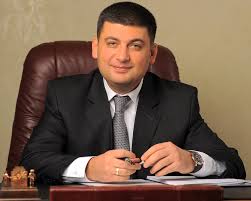
Поскольку новой коалиции своих голосов явно не хватало, «Народному фронту» и БПП пришлось опять пойти на сговор с депутатами, контролируемыми олигархами Коломойским, Ахметовым и другими.
Главной же интригой дня был новый состав кабинета министров, о котором президент Украины Петр Порошенко несколько суток договаривался с Гройсманом. Последний отстаивал целостность своей команды, которая сложилась у него еще с Винницы, где он был мэром. Гройсман собирался распределить между близкими людьми министерство по делам АТО, минздрав и минсоцполитики.
7 чиновников были назначены на те же должности в новом правительстве. В частности, это вице-премьер-министр и министр ЖКХ Геннадий Зубко, министр внутренних дел Арсен Аваков, министр юстиции Павел Петренко, министр обороны Степан Полторак, министр иностранных дел Павел Климкин, министр информационной политики Юрий Стець и министр молодежи и спорта Игорь Жданов.
Верховная Рада Украины так же поддержала назначение нынешнего первого заместителя председателя ВР Андрея Парубия на должность председателя парламента.
За это решение проголосовали 284 народных депутата из 359, зарегистрированных в сессионном зале.
От “Блока Петра Порошенко” за это решение проголосовали 136 депутатов, от “Народного фронта” – 78, от “Самопомичи” – 19, от Радикальной партии – 20, от “Батькивщины” – 14.
“Когда приходят незнакомцы…/Они приходят в твой дом,/Они убивают вас всех и говорят:/«Мы не виновны… не виновны». /Где ваш разум?/Человечество плачет./Вы думаете, что вы боги,/но все умирают,/не глотайте мою душу,/наши души./Я не могла провести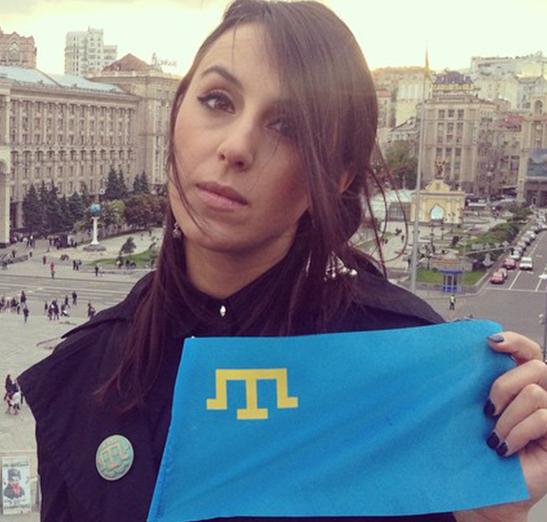 свою молодость там,/потому что вы забрали мой мир./Мы могли бы построить будущее./Где люди свободно живут и любят./Счастливые времена…/Где ваши сердца?/Человечество, процветай!/Вы думаете, вы боги./Но люди умирают./Не глотайте мою душу./Наши души./Я не могла провести свою молодость там,/потому что вы забрали мой мир”.
Это перевод, с английского и с крымско-татарского. На стихи написана музыка, получилась песня. Джамала выиграла украинский отбор к «Евровидению» и теперь будет представлять свою страну в славном городе Стокгольме. Песня называется «1944».
Наши политологи и журналисты давно разделили общество на две главные партии: холодильника и телевизора. Последняя партия сегодня «у власти», но ее оппоненты убеждены: когда, наконец, холодильник опустеет, бравурные рассказы «зомбоящика» о «поднявшейся с колен» России, ее «особом пути» и «духовных скрепах» под урчание голодного желудка начнут вызывать в лучшем случае раздражение. Вот тогда и пробьет час партии холодильника.
Но благодаря кризису холодильник уже наполовину пуст, еды стало меньше и худшего качества, а ропота недовольных почти не слышно. Почему молчит народ? Как телевизору удается одерживать верх над холодильником?
Ответы на эти вопросы не так сложны…. Первый — это имперский комплекс…. Теперь поподробнее о комплексе неполноценности. Эта штука вообще из области подсознательного, почти психиатрия….
Статья – Московский комсомолец №27034 от 16 февраля 2016
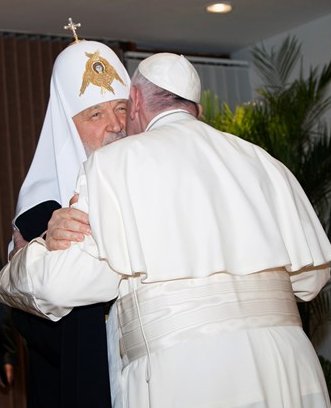
Dichiarazione comune firmata all’Avana da Papa Francesco e il Patriarca Kirill:
- Per volontà di Dio Padre dal quale viene ogni dono, nel nome del Signore nostro Gesù Cristo, e con l’aiuto dello Spirito Santo Consolatore, noi, Papa Francesco e Kirill, Patriarca di Mosca e di tutta la Russia, ci siamo incontrati oggi a L’Avana. Rendiamo grazie a Dio, glorificato nella Trinità, per questo incontro, il primo nella storia. Con gioia ci siamo ritrovati come fratelli nella fede cristiana che si incontrano per «parlare a viva voce» (2 Gv 12), da cuore a cuore, e discutere dei rapporti reciproci tra le Chiese, dei problemi essenziali dei nostri fedeli e delle prospettive di sviluppo della civiltà umana.
- Il nostro incontro fraterno ha avuto luogo a Cuba, all’incrocio tra Nord e Sud, tra Est e Ovest. Da questa isola, simbolo delle speranze del “Nuovo Mondo” e degli eventi drammatici della storia del XX secolo, rivolgiamo la nostra parola a tutti i popoli dell’America Latina e degli altri Continenti. Ci rallegriamo che la fede cristiana stia crescendo qui in modo dinamico. Il potente potenziale religioso dell’America Latina, la sua secolare tradizione cristiana, realizzata nell’esperienza personale di milioni di persone, sono la garanzia di un grande futuro per questa regione.
- Incontrandoci lontano dalle antiche contese del “Vecchio Mondo”, sentiamo con particolare forza la necessità di un lavoro comune tra cattolici e ortodossi, chiamati, con dolcezza e rispetto, a rendere conto al mondo della speranza che è in noi (cfr 1 Pt 3, 15).
- Rendiamo grazie a Dio per i doni ricevuti dalla venuta nel mondo del suo unico Figlio. Condividiamo la comune Tradizione spirituale del primo millennio del cristianesimo. I testimoni di questa Tradizione sono la Santissima Madre di Dio, la Vergine Maria, e i Santi che veneriamo. Tra loro ci sono innumerevoli martiri che hanno testimoniato la loro fedeltà a Cristo e sono diventati “seme di cristiani”.
- Nonostante questa Tradizione comune dei primi dieci secoli, cattolici e ortodossi, da quasi mille anni, sono privati della comunione nell’Eucaristia. Siamo divisi da ferite causate da conflitti di un passato lontano o recente, da divergenze, ereditate dai nostri antenati, nella comprensione e l’esplicitazione della nostra fede in Dio, uno in tre Persone – Padre, Figlio e Spirito Santo. Deploriamo la perdita dell’unità, conseguenza della debolezza umana e del peccato, accaduta nonostante la Preghiera sacerdotale di Cristo Salvatore: «Perché tutti siano una sola cosa. Come tu, Padre, sei in me e io in te, siano anch’essi in noi una cosa sola» (Gv 17, 21).
- Consapevoli della permanenza di numerosi ostacoli, ci auguriamo che il nostro incontro possa contribuire al ristabilimento di questa unità voluta da Dio, per la quale Cristo ha pregato. Possa il nostro incontro ispirare i cristiani di tutto il mondo a pregare il Signore con rinnovato fervore per la piena unità di tutti i suoi discepoli. In un mondo che attende da noi non solo parole ma gesti concreti, possa questo incontro essere un segno di speranza per tutti gli uomini di buona volontà!
- Nella nostra determinazione a compiere tutto ciò che è necessario per superare le divergenze storiche che abbiamo ereditato, vogliamo unire i nostri sforzi per testimoniare il Vangelo di Cristo e il patrimonio comune della Chiesa del primo millennio, rispondendo insieme alle sfide del mondo contemporaneo. Ortodossi e cattolici devono imparare a dare una concorde testimonianza alla verità in ambiti in cui questo è possibile e necessario. La civiltà umana è entrata in un periodo di cambiamento epocale. La nostra coscienza cristiana e la nostra responsabilità pastorale non ci autorizzano a restare inerti di fronte alle sfide che richiedono una risposta comune.
- Il nostro sguardo si rivolge in primo luogo verso le regioni del mondo dove i cristiani sono vittime di persecuzione. In molti paesi del Medio Oriente e del Nord Africa i nostri fratelli e sorelle in Cristo vengono sterminati per famiglie, villaggi e città intere. Le loro chiese sono devastate e saccheggiate barbaramente, i loro oggetti sacri profanati, i loro monumenti distrutti. In Siria, in Iraq e in altri paesi del Medio Oriente, constatiamo con dolore l’esodo massiccio dei cristiani dalla terra dalla quale cominciò a diffondersi la nostra fede e dove essi hanno vissuto, fin dai tempi degli apostoli, insieme ad altre comunità religiose.
- Chiediamo alla comunità internazionale di agire urgentemente per prevenire l’ulteriore espulsione dei cristiani dal Medio Oriente. Nell’elevare la voce in difesa dei cristiani perseguitati, desideriamo esprimere la nostra compassione per le sofferenze subite dai fedeli di altre tradizioni religiose diventati anch’essi vittime della guerra civile, del caos e della violenza terroristica.
- In Siria e in Iraq la violenza ha già causato migliaia di vittime, lasciando milioni di persone senza tetto né risorse. Esortiamo la comunità internazionale ad unirsi per porre fine alla violenza e al terrorismo e, nello stesso tempo, a contribuire attraverso il dialogo ad un rapido ristabilimento della pace civile. È essenziale assicurare un aiuto umanitario su larga scala alle popolazioni martoriate e ai tanti rifugiati nei paesi confinanti. Chiediamo a tutti coloro che possono influire sul destino delle persone rapite, fra cui i Metropoliti di Aleppo, Paolo e Giovanni Ibrahim, sequestrati nel mese di aprile del 2013, di fare tutto ciò che è necessario per la loro rapida liberazione.
- Eleviamo le nostre preghiere a Cristo, il Salvatore del mondo, per il ristabilimento della pace in Medio Oriente che è “il frutto della giustizia” (cfr Is 32, 17), affinché si rafforzi la convivenza fraterna tra le varie popolazioni, le Chiese e le religioni che vi sono presenti, per il ritorno dei rifugiati nelle loro case, la guarigione dei feriti e il riposo dell’anima degli innocenti uccisi. Ci rivolgiamo, con un fervido appello, a tutte le parti che possono essere coinvolte nei conflitti perché mostrino buona volontà e siedano al tavolo dei negoziati. Al contempo, è necessario che la comunità internazionale faccia ogni sforzo possibile per porre fine al terrorismo con l’aiuto di azioni comuni, congiunte e coordinate. Facciamo appello a tutti i paesi coinvolti nella lotta contro il terrorismo, affinché agiscano in maniera responsabile e prudente. Esortiamo tutti i cristiani e tutti i credenti in Dio a pregare con fervore il provvidente Creatore del mondo perché protegga il suo creato dalla distruzione e non permetta una nuova guerra mondiale. Affinché la pace sia durevole ed affidabile, sono necessari specifici sforzi volti a riscoprire i valori comuni che ci uniscono, fondati sul Vangelo di nostro Signore Gesù Cristo.
- Ci inchiniamo davanti al martirio di coloro che, a costo della propria vita, testimoniano la verità del Vangelo, preferendo la morte all’apostasia di Cristo. Crediamo che questi martiri del nostro tempo, appartenenti a varie Chiese, ma uniti da una comune sofferenza, sono un pegno dell’unità dei cristiani. È a voi, che soffrite per Cristo, che si rivolge la parola dell’apostolo: «Carissimi, … nella misura in cui partecipate alle sofferenze di Cristo, rallegratevi perché anche nella rivelazione della Sua gloria possiate rallegrarvi ed esultare» (1 Pt 4, 12-13).
- In quest’epoca inquietante, il dialogo interreligioso è indispensabile. Le differenze nella comprensione delle verità religiose non devono impedire alle persone di fedi diverse di vivere nella pace e nell’armonia. Nelle circostanze attuali, i leader religiosi hanno la responsabilità particolare di educare i loro fedeli in uno spirito rispettoso delle convinzioni di coloro che appartengono ad altre tradizioni religiose. Sono assolutamente inaccettabili i tentativi di giustificare azioni criminali con slogan religiosi. Nessun crimine può essere commesso in nome di Dio, «perché Dio non è un Dio di disordine, ma di pace» (1 Cor 14, 33).
- Nell’affermare l’alto valore della libertà religiosa, rendiamo grazie a Dio per il rinnovamento senza precedenti della fede cristiana che sta accadendo ora in Russia e in molti paesi dell’Europa orientale, dove i regimi atei hanno dominato per decenni. Oggi le catene dell’ateismo militante sono spezzate e in tanti luoghi i cristiani possono liberamente professare la loro fede. In un quarto di secolo, vi sono state costruite decine di migliaia di nuove chiese, e aperti centinaia di monasteri e scuole teologiche. Le comunità cristiane portano avanti un’importante attività caritativa e sociale, fornendo un’assistenza diversificata ai bisognosi. Ortodossi e cattolici spesso lavorano fianco a fianco. Essi attestano l’esistenza dei fondamenti spirituali comuni della convivenza umana, testimoniando i valori del Vangelo.
- Allo stesso tempo, siamo preoccupati per la situazione in tanti paesi in cui i cristiani si scontrano sempre più frequentemente con una restrizione della libertà religiosa, del diritto di testimoniare le proprie convinzioni e la possibilità di vivere conformemente ad esse. In particolare, constatiamo che la trasformazione di alcuni paesi in società secolarizzate, estranee ad ogni riferimento a Dio ed alla sua verità, costituisce una grave minaccia per la libertà religiosa. È per noi fonte di inquietudine l’attuale limitazione dei diritti dei cristiani, se non addirittura la loro discriminazione, quando alcune forze politiche, guidate dall’ideologia di un secolarismo tante volte assai aggressivo, cercano di spingerli ai margini della vita pubblica.
- Il processo di integrazione europea, iniziato dopo secoli di sanguinosi conflitti, è stato accolto da molti con speranza, come una garanzia di pace e di sicurezza. Tuttavia, invitiamo a rimanere vigili contro un’integrazione che non sarebbe rispettosa delle identità religiose. Pur rimanendo aperti al contributo di altre religioni alla nostra civiltà, siamo convinti che l’Europa debba restare fedele alle sue radici cristiane. Chiediamo ai cristiani dell’Europa orientale e occidentale di unirsi per testimoniare insieme Cristo e il Vangelo, in modo che l’Europa conservi la sua anima formata da duemila anni di tradizione cristiana.
- Il nostro sguardo si rivolge alle persone che si trovano in situazioni di grande difficoltà, che vivono in condizioni di estremo bisogno e di povertà mentre crescono le ricchezze materiali dell’umanità. Non possiamo rimanere indifferenti alla sorte di milioni di migranti e di rifugiati che bussano alla porta dei paesi ricchi. Il consumo sfrenato, come si vede in alcuni paesi più sviluppati, sta esaurendo gradualmente le risorse del nostro pianeta. La crescente disuguaglianza nella distribuzione dei beni terreni aumenta il sentimento d’ingiustizia nei confronti del sistema di relazioni internazionali che si è stabilito.
- Le Chiese cristiane sono chiamate a difendere le esigenze della giustizia, il rispetto per le tradizioni dei popoli e un’autentica solidarietà con tutti coloro che soffrono. Noi, cristiani, non dobbiamo dimenticare che «Dio ha scelto ciò che nel mondo è stolto per confondere i sapienti, Dio ha scelto ciò che nel mondo è debole per confondere i forti, Dio ha scelto ciò che nel mondo è ignobile e disprezzato e ciò che è nulla per ridurre a nulla le cose che sono, perché nessun uomo possa gloriarsi davanti a Dio» (1 Cor 1, 27-29).
- La famiglia è il centro naturale della vita umana e della società. Siamo preoccupati dalla crisi della famiglia in molti paesi. Ortodossi e cattolici condividono la stessa concezione della famiglia e sono chiamati a testimoniare che essa è un cammino di santità, che testimonia la fedeltà degli sposi nelle loro relazioni reciproche, la loro apertura alla procreazione e all’educazione dei figli, la solidarietà tra le generazioni e il rispetto per i più deboli.
- La famiglia si fonda sul matrimonio, atto libero e fedele di amore di un uomo e di una donna. È l’amore che sigilla la loro unione ed insegna loro ad accogliersi reciprocamente come dono. Il matrimonio è una scuola di amore e di fedeltà. Ci rammarichiamo che altre forme di convivenza siano ormai poste allo stesso livello di questa unione, mentre il concetto di paternità e di maternità come vocazione particolare dell’uomo e della donna nel matrimonio, santificato dalla tradizione biblica, viene estromesso dalla coscienza pubblica.
- Chiediamo a tutti di rispettare il diritto inalienabile alla vita. Milioni di bambini sono privati della possibilità stessa di nascere nel mondo. La voce del sangue di bambini non nati grida verso Dio (cfr Gen 4, 10). Lo sviluppo della cosiddetta eutanasia fa sì che le persone anziane e gli infermi inizino a sentirsi un peso eccessivo per le loro famiglie e la società in generale. Siamo anche preoccupati dallo sviluppo delle tecniche di procreazione medicalmente assistita, perché la manipolazione della vita umana è un attacco ai fondamenti dell’esistenza dell’uomo, creato ad immagine di Dio. Riteniamo che sia nostro dovere ricordare l’immutabilità dei principi morali cristiani, basati sul rispetto della dignità dell’uomo chiamato alla vita, secondo il disegno del Creatore.
- Oggi, desideriamo rivolgerci in modo particolare ai giovani cristiani. Voi, giovani, avete come compito di non nascondere il talento sotto terra (cfr Mt 25, 25), ma di utilizzare tutte le capacità che Dio vi ha dato per confermare nel mondo le verità di Cristo, per incarnare nella vostra vita i comandamenti evangelici dell’amore di Dio e del prossimo. Non abbiate paura di andare controcorrente, difendendo la verità di Dio, alla quale odierne norme secolari sono lontane dal conformarsi sempre.
- Dio vi ama e aspetta da ciascuno di voi che siate Suoi discepoli e apostoli. Siate la luce del mondo affinché coloro che vi circondano, vedendo le vostre opere buone, rendano gloria al vostro Padre che è nei cieli (cfr Mt 5, 14, 16). Educate i vostri figli nella fede cristiana, trasmettete loro la perla preziosa della fede (cfr Mt 13, 46) che avete ricevuta dai vostri genitori ed antenati. Ricordate che «siete stati comprati a caro prezzo» (1 Cor 6, 20), al costo della morte in croce dell’Uomo-Dio Gesù Cristo.
- Ortodossi e cattolici sono uniti non solo dalla comune Tradizione della Chiesa del primo millennio, ma anche dalla missione di predicare il Vangelo di Cristo nel mondo di oggi. Questa missione comporta il rispetto reciproco per i membri delle comunità cristiane ed esclude qualsiasi forma di proselitismo. Non siamo concorrenti ma fratelli, e da questo concetto devono essere guidate tutte le nostre azioni reciproche e verso il mondo esterno. Esortiamo i cattolici e gli ortodossi di tutti i paesi ad imparare a vivere insieme nella pace e nell’amore, e ad avere «gli uni verso gli altri gli stessi sentimenti» (Rm 15, 5). Non si può quindi accettare l’uso di mezzi sleali per incitare i credenti a passare da una Chiesa ad un’altra, negando la loro libertà religiosa o le loro tradizioni. Siamo chiamati a mettere in pratica il precetto dell’apostolo Paolo: «Mi sono fatto un punto di onore di non annunziare il vangelo se non dove ancora non era giunto il nome di Cristo, per non costruire su un fondamento altrui» (Rm 15, 20).
- Speriamo che il nostro incontro possa anche contribuire alla riconciliazione, là dove esistono tensioni tra greco-cattolici e ortodossi. Oggi è chiaro che il metodo dell’“uniatismo” del passato, inteso come unione di una comunità all’altra, staccandola dalla sua Chiesa, non è un modo che permette di ristabilire l’unità. Tuttavia, le comunità ecclesiali apparse in queste circostanze storiche hanno il diritto di esistere e di intraprendere tutto ciò che è necessario per soddisfare le esigenze spirituali dei loro fedeli, cercando nello stesso tempo di vivere in pace con i loro vicini. Ortodossi e greco-cattolici hanno bisogno di riconciliarsi e di trovare forme di convivenza reciprocamente accettabili.
- Deploriamo lo scontro in Ucraina che ha già causato molte vittime, innumerevoli ferite ad abitanti pacifici e gettato la società in una grave crisi economica ed umanitaria. Invitiamo tutte le parti del conflitto alla prudenza, alla solidarietà sociale e all’azione per costruire la pace. Invitiamo le nostre Chiese in Ucraina a lavorare per pervenire all’armonia sociale, ad astenersi dal partecipare allo scontro e a non sostenere un ulteriore sviluppo del conflitto.
- Auspichiamo che lo scisma tra i fedeli ortodossi in Ucraina possa essere superato sulla base delle norme canoniche esistenti, che tutti i cristiani ortodossi dell’Ucraina vivano nella pace e nell’armonia, e che le comunità cattoliche del Paese vi contribuiscano, in modo da far vedere sempre di più la nostra fratellanza cristiana.
- Nel mondo contemporaneo, multiforme eppure unito da un comune destino, cattolici e ortodossi sono chiamati a collaborare fraternamente nell’annuncio della Buona Novella della salvezza, a testimoniare insieme la dignità morale e la libertà autentica della persona, «perché il mondo creda» (Gv 17, 21). Questo mondo, in cui scompaiono progressivamente i pilastri spirituali dell’esistenza umana, aspetta da noi una forte testimonianza cristiana in tutti gli ambiti della vita personale e sociale. Dalla nostra capacità di dare insieme testimonianza dello Spirito di verità in questi tempi difficili dipende in gran parte il futuro dell’umanità.
- In questa ardita testimonianza della verità di Dio e della Buona Novella salvifica, ci sostenga l’Uomo-Dio Gesù Cristo, nostro Signore e Salvatore, che ci fortifica spiritualmente con la sua infallibile promessa: «Non temere, piccolo gregge, perché al Padre vostro è piaciuto di darvi il suo Regno» (Lc 12, 32)! Cristo è fonte di gioia e di speranza. La fede in Lui trasfigura la vita umana, la riempie di significato. Di ciò si sono potuti convincere, attraverso la loro esperienza, tutti coloro a cui si possono applicare le parole dell’apostolo Pietro: «Voi, che un tempo eravate non-popolo, ora invece siete il popolo di Dio; voi, un tempo esclusi dalla misericordia, ora invece avete ottenuto misericordia» (1 Pt 2, 10).
- Pieni di gratitudine per il dono della comprensione reciproca espresso durante il nostro incontro, guardiamo con speranza alla Santissima Madre di Dio, invocandola con le parole di questa antica preghiera: “Sotto il riparo della tua misericordia, ci rifugiamo, Santa Madre di Dio”. Che la Beata Vergine Maria, con la sua intercessione, incoraggi alla fraternità coloro che la venerano, perché siano riuniti, al tempo stabilito da Dio, nella pace e nell’armonia in un solo popolo di Dio, per la gloria della Santissima e indivisibile Trinità!
The Pope and The Patriarch together in Cuba
13 Feb 2016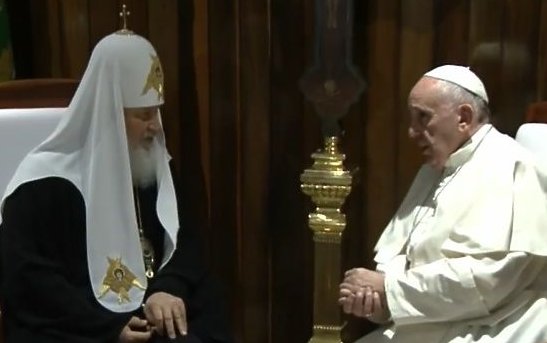
В Донецке началась волна странных арестов.
30 Jan 2016После «неудачного» взрыва у памятника Ленину в самопровозглашенной республике начались массовые аресты. Глава самопровозглашенной республики Александр Захарченко издал указ об ужесточении комендантского часа. Теперь все хождения и поездки с 23-00 до 5 утра запрещены всем, за исключением специального транспорта, снабженного не менее специальными пропусками….
Статья – Дмитрий Дурнев Московский Kомсомолец – Dmitry Durnev Moskovskij Komsomolets.
La comunità di connazionali, sorta nel XIX secolo (tra il 1830 ed il 1870) nella regione orientale della Crimea nei pressi della città di Kerch, fu deportata nel gennaio 1942. Allora si contavano 5-6 mila italiani, in maggioranza gente dedita all’agricoltura ed all’artigianato, di origine pugliese della zona di Trani e Bisceglie. 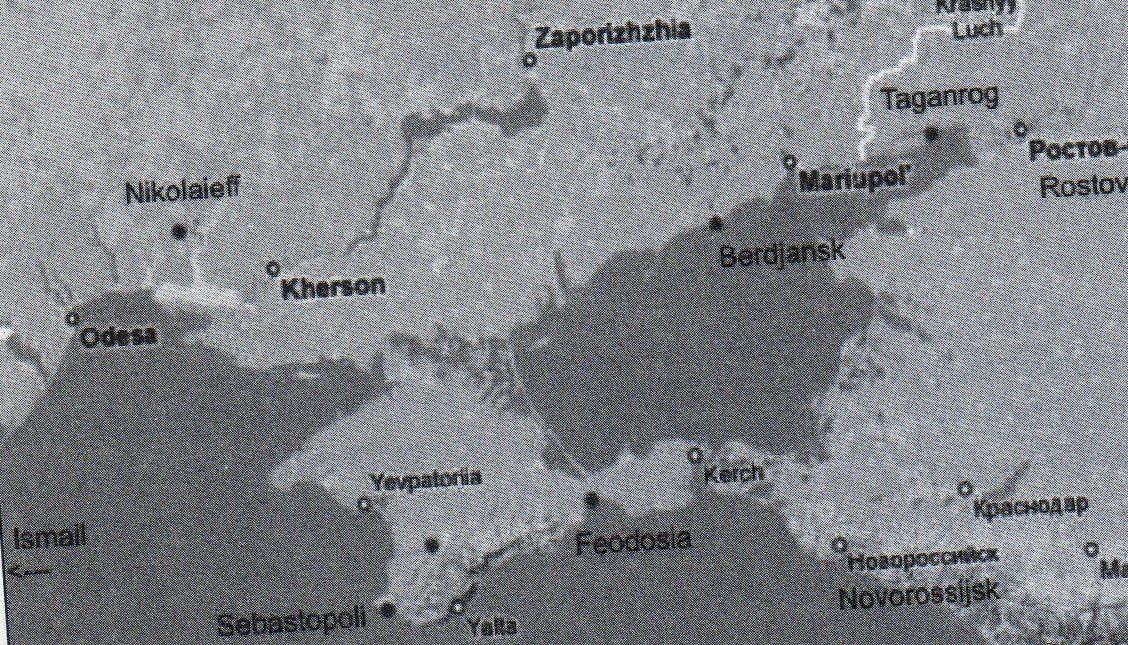
Oggi a Kerch, città famosa per lo stretto – accesso del mare di Azov dal mar Nero – abitano 500 persone, discendenti di quanti sono tornati dal Kazakhstan, dalla Russia e dall’Uzbekistan. Il presidente Putin ha inserito gli italiani di Crimea con un decreto, pubblicato il 13 settembre 2015, tra i popoli deportati da Stalin da riabilitare. In precedenza né il governo sovietico né quello ucraino avevano agito in tal senso.
I liguri, generalmente commercianti o persone di mare, abitavano nella vicina Feodosia, sempre in Crimea, oppure a Mariupol, secondo porto dell’Ucraina – ancora oggi cruciale per l’esportazione di grano e di prodotti metallurgici -, oppure ad Odessa, dove tra il XIX – ed il XX secolo era stato costituito un liceo italiano.
A Taganrog, un centinaio di chilometri ad est di Mariupol, sempre sul mare di Azov visse Giuseppe Garibaldi tra il 1831 ed il 1833. Qui l’eroe dei due mondi si avvicinò alle idee mazziniane della “Giovane Italia”, propagandate dagli esuli. Sempre a Taganrog, davanti alla passeggiata a mare, è stata eretta l’unica statua dedicata a Garibaldi in territorio ex sovietico.
In tutta questa area, dopo l’unità di Italia, vennero aperti un Regio Consolato ad Odessa e vari vice-consolati a dimostrazione dell’importate presenza di connazionali. Questo periodo si chiuse con la Rivoluzione d’ottobre ed le successive repressioni staliniane.
Giuseppe D’Amato
Testo AUDIO 1. – Luisa Perugini – SBS radio – Australia
Testo AUDIO 2. – Luisa Perugini – SBS radio – Australia
Testo AUDIO 3. – Luisa Perugini – SBS radio – Australia
Testo AUDIO 4. – Luisa Perugini – SBS radio – Australia
Welcome
We are a group of long experienced European journalists and intellectuals interested in international politics and culture. We would like to exchange our opinion on new Europe and Russia.
Categories
- Breaking News (11)
- CIS (129)
- Climate (2)
- Energy&Economy (115)
- EU Eastern Dimension (85)
- Euro 2012 – Sochi 2014 – World Cup 2018, Sport (43)
- Euro-Integration (135)
- History Culture (198)
- International Policy (261)
- Military (74)
- Interviews (18)
- Italy – Italia – Suisse (47)
- Odd Enough (10)
- Poland and Baltic States (126)
- Religion (31)
- Russia (421)
- Survey (4)
- Turning points (4)
- Ukraine (176)
- Российские страницы (113)
Archives
- November 2020
- October 2020
- September 2020
- August 2020
- July 2020
- May 2020
- April 2020
- March 2020
- January 2020
- December 2019
- November 2019
- October 2019
- September 2019
- August 2019
- July 2019
- June 2019
- May 2019
- April 2019
- March 2019
- February 2019
- December 2018
- November 2018
- October 2018
- September 2018
- August 2018
- July 2018
- June 2018
- May 2018
- April 2018
- March 2018
- February 2018
- January 2018
- December 2017
- November 2017
- October 2017
- September 2017
- August 2017
- July 2017
- May 2017
- March 2017
- January 2017
- December 2016
- November 2016
- October 2016
- September 2016
- July 2016
- June 2016
- May 2016
- April 2016
- February 2016
- January 2016
- November 2015
- October 2015
- September 2015
- June 2015
- April 2015
- March 2015
- February 2015
- January 2015
- December 2014
- November 2014
- October 2014
- September 2014
- August 2014
- July 2014
- June 2014
- May 2014
- April 2014
- March 2014
- February 2014
- January 2014
- December 2013
- November 2013
- October 2013
- September 2013
- August 2013
- July 2013
- June 2013
- May 2013
- April 2013
- March 2013
- February 2013
- January 2013
- December 2012
- November 2012
- October 2012
- September 2012
- August 2012
- July 2012
- June 2012
- May 2012
- April 2012
- March 2012
- February 2012
- January 2012
- December 2011
- November 2011
- October 2011
- September 2011
- August 2011
- July 2011
- June 2011
- May 2011
- April 2011
- March 2011
- February 2011
- January 2011
- December 2010
- November 2010
- October 2010
- September 2010
- August 2010
- July 2010
- June 2010
- May 2010
- April 2010
- March 2010
- February 2010
- January 2010
- December 2009
- November 2009
- October 2009
- September 2009
- August 2009
Our books