Turning points: Syria and the Russian diplomacy. Stalingrad syndrome.
“Damascus is the “Stalingrad” of Russian diplomacy. After years of geopolitical withdrawal, Moscow has chosen Syria as a way to revive its image of power in the world. “Not one step back” is the Kremlin’s new strategy, as it was for the Red Army along the banks of the Volga river during World War II. To be more convincing, the Kremlin has simultaneously flexed its muscles by supplying sophisticated […]
Донецкий аэропорт, символ или «черная дыра»?
4 Oct 2014…В начале конфликта на Юго-Востоке Украины, когда практически без сопротивления захватывались райотделы милиции, ни в Краматорске, ни в Мариуполе, ни в Донецке, ни в Луганске ни один ополченец в аэропорты не зашел…Но противостояние вокруг аэропорта Донецка стоит особняком. Охранялся аэропорт всю весну самым боеспособным и патриотичным подразделением украинской армии….Узнать, что в аэропорту сидит рота Кировоградского полка спецназа, одной из «колыбелей» войск специального назначения СССР, было довольно легко. Именно эти бойцы обороняли аэропорт 26 мая, когда при попытке его захвата погибли 50 ополченцев (эту операцию называют «самой провальной» для руководства ДНР — в том числе и в окружении Игоря Стрелкова). Именно тогда работу аэропорта приостановила Государственная авиационная служба…Нужно понимать, что из себя представляет аэропорт Донецка…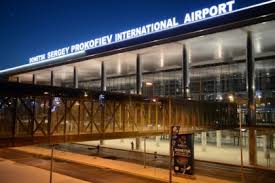
Cуперсовременное здание аэровокзала с новой взлетно-посадочной полосой, открытые к Евро-2012, соседствуют с инфраструктурой старого советского аэропорта со старым зданием, гостиницами, подземными ангарами, двумя вип-терминалами, особыми ангарами под личные самолеты донецких олигархов, еще советскими бомбоубежищами и другими специальными сооружениями на случай ядерной войны. Кроме того, аэропорт за это время из форпоста Украины успел превратиться в острие копья украинского наступления. И все это время части в аэропорту никогда не оставались в полном окружении, пополнялись, ротировались, укреплялись и снабжались. Слева и справа аэропорт подкрепляют позиции армии и добровольческих батальонов в Песках с одной стороны и Авдеевки с другой. Это сверхукрепленный участок линии фронта, в случае сдачи которого, может последовать отступление от с таким трудом отбитых в свое время Карловки и Авдеевки…
Бои идут четвертый месяц и под аэропортом погибло столько ополченцев, а при обороне столько бойцов национальной гвардии и спецназа, что он понемногу превратился в символ. И для Украины, и для ДНР…
Статья – Дмитрий Дурнев Московский Kомсомолец №26641 от 4 октября 2014 – DmitryDurnev Moskovskij Komsomolets.
Выживание в Донецке.
30 Sep 2014школы скоро откроют. Директора начали обзванивать учителей и родителей детей. Школы в Донецке должны заработать 1 октября. В классе, где учился мой сын, из 30 учеников в городе сейчас осталось лишь 10. Остальные кто где – в сельских школах, в Киеве, Львове, Мариуполе, Санкт-Петербурге… 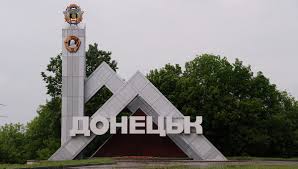
Учителя, врачи, пенсионеры денег не видели с июня. Всем пообещало заплатить ДНР из особых фондов. Пенсионерам всем поровну – по 1800 гривен. Сотрудникам ВУЗов тоже поровну – преподавателю 4000 гривен, доценту – 5000, любому профессору – по 6000. Учителям тоже что-то обещают. Но никто пока денег не видит. Зато по местному телевидению выступил министр образования ДНР, который торжественно сообщил, что в отличие от Украины, дипломы республики будут признавать во всем мире.
Все друг друга успокаивают, что у нас лучше, чем в Луганске. Там зарплаты выдают едой. Знакомый работает в Луганске электриком. Платят понедельно. За прошлую неделю получил банку сардин, банку тушенки и три пачки круп – гречку, рис и пшено….
В Луганской области нет работающих банков и наличных денег, зато владельцев кредитных карт возят специально выделенные автобусы в соседнюю Россию для покупки продуктов.
В Донецке работают магазины и в крупных сетях супермаркетов работают карточные терминалы. У касс часто можно встретить людей с картами. Они привычно предлагают расплатиться за вас. Ну, если у вас есть наличные, разумеется….
При этом в городе хорошо с электричеством, светом и газом. А вот в соседних «украинских» Курахово, Красноармейске, Димитрове, Селидово, Волновахе воды нет второй месяц. Узел канала Северский Донецк – Донбасс, отвечающий за этот регион, не могут отремонтировать из-за боевых действий. …
На улице холодает, и люди с ужасом ждут зимы. Сейчас они только смывают туалеты дождевой водой. С наступлением холодов без воды в радиаторах отопления города могут просто замерзнуть….
Статья – Дмитрий Дурнев Московский Kомсомолец от 26 сентября 2014 – DmitryDurnev Moskovskij Komsomolets
Xренакнуть по америкосам?
26 Sep 2014Второй день смотрю на разлетевшиеся по Сети фотографии — людей с Тополями на футболках. Это не деревья с зелеными листиками, а ракеты. И какой-то у меня ступор.
Вот стоят взрослые дяди, тети, модельеры, актрисы, у которых есть дети, внуки, — и в ответ на какие-то технологические и финансовые санкции грозят миру баллистическими ракетами. При этом очень довольно улыбаются.
Почему? Потому что надоили смолистого бабла на очередную патриотскую акцию? Ну, это еще куда бы не шло, богемный пипл алчен.
А если они это от души?
Ну, не то, чтобы совсем без бабла (патриотизм — бизнес серьезный), но все-таки искренне угрожают человечеству безумной, садистской ядерной бомбой?…
Blog – Ayder Muzhdabaev – Айдер Муждабаев – Facebook – «Эхо Москвы»
Михаил Ходорковский: «Я сказал LeMonde ровно то, что сказал. Меня спросили, хочу ли я стать президентом России, я ответил, что передо мной такой задачи не стоит. Но если потребуется, я готов взять на себя работу по преодолению кризиса и проведению конституционной реформы. Приписывать других слов мне не надо».
Ранее LeMonde сообщила, что 20 сентября на фестивале в Париже по случаю 70-летия газеты Михаил Ходорковский, отвечая на вопрос, хочет ли он стать президентом России, заявил: «Передо мной не стоит такой задачи. Я не был бы заинтересован в идее стать президентом Российской Федерации в то время, когда моя страна развивалась бы нормально. Но, если представится необходимым преодолеть кризис и провести конституционную реформу, основная часть которой будет состоять в перераспределении президентской власти судебной системе, парламенту и гражданскому обществу, я буду готов взять на себя эту часть работы».
В Москве проходил “Марш мира”.
22 Sep 2014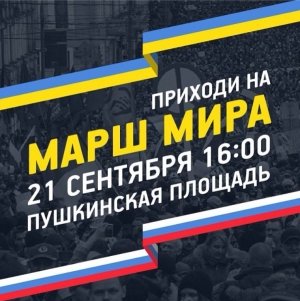
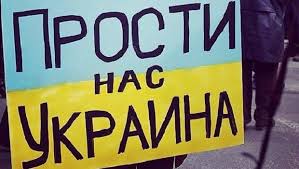
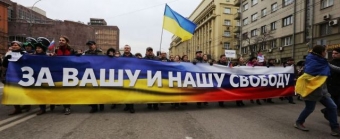
L’accordo è stato raggiunto in piena notte dopo 7 ore di negoziati. Le misure sono a corollario di quelle già definite il 5 settembre, sempre a Minsk, dal Gruppo di contatto (Ucraina, Russia, OSCE). L’OSCE è supervisore della realizzazione del memorandum, che tenta di dare sostanza alla precedente intesa. Nelle precedenti due settimane la tregua è stata più volta violata con centinaia di morti. Le parti hanno convenuto di continuare lo scambio di prigionieri. Lo status dei territori sotto controllo dei separatisti non è stata discussa.

1. Cessazione dell’uso di armi considerate “comuni”.
2. Stop delle unità militari sulle posizioni in cui si trovano il 19 settembre.
3. Divieto all’utilizzo di qualsiasi tipo di armi ed alla conduzione di operazioni offensive.
4. Nel corso di una giornata dalla firma di detto memorandum, rimozione di armi di calibro superiore a 100 millimetri dalla linea del fronte di almeno 15 chilometri da ambo le parti, in particolare dai centri abitati, in maniera da creare una zona di sicurezza di non meno di 30 chilometri.
5. Divieto di dislocazione di armamenti pesanti ed attrezzature pesanti nei distretti dove si trovano determinati insediamenti abitati.
6. Divieto di installazione di nuovi campi minati sui confini della zona di sicurezza; obbligo di sminare i campi all’interno della zona di sicurezza.
7. Creazione di una no-fly-zone sulla zona di sicurezza sia per apparati interni che stranieri, ad eccezione di quelli dell’OSCE.
8. Dislocazione nella zona di cessazione dell’uso delle armi di una missione monitoring dell’OSCE, compresa nel gruppo di osservatori, nell’arco di un giorno. L’area di cui sopra è divisa in settori, i cui confini sono definiti nel corso della preparazione del lavoro di monitoring della missione di osservatori dell’OSCE.
9. Ritiro di tutti i mercenari stranieri dalla zona del conflitto da ambedue le parti.
Aнтимиры
20 Sep 2014Сын президента Украины служит добровольцем в армии на фронте.
Россияне фанатично верят политикам, у которых дети не только никогда не пойдут в армию, но и не подвергнут себя даже минимальной опасности ради своей страны.
А детей россиян всегда уничтожат столько, сколько надо, потому что есть хозяева и есть крепостные.
Давайте больше ни в чем не будем сравнивать Россию и Украину.
Это антимиры.
Blog – Ayder Muzhdabaev – Айдер Муждабаев – Facebook
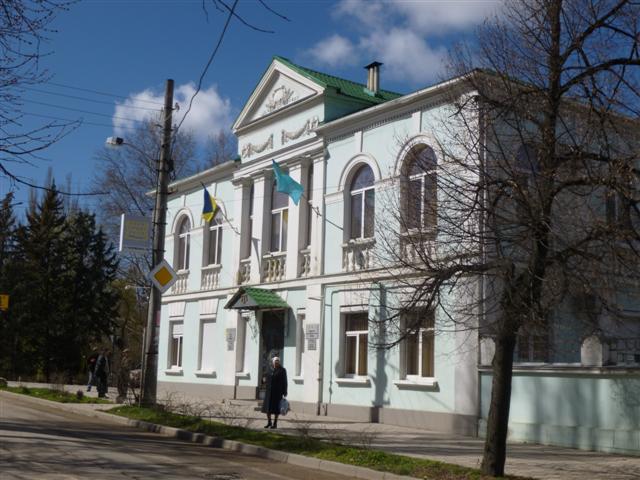
A Simferopoli la Procura generale ha confiscato le proprietà della Fondazione (non a scopo di lucro) “Krym”, il cui fondatore è il leader dei tatari di Crimea Mustafà Dzhemiliev, già deputato alla Rada ucraina. Il 16 settembre la sede dell’Autorità tatara era stata perquisita dalla polizia.
I tatari di Crimea non hanno partecipato in massa alle elezioni di domenica 14 settembre in cui sono stati eletti i nuovi rappresentanti locali. Il prossimo capo della Crimea Serghei Aksionov ha negato che ci siano problemi con questa minoranza, che è contraria al ritorno della penisola sotto il controllo di Mosca. La ragione della perquisizione all’Autorità tatara, secondo Aksionov, era la presunta “presenza di letteratura vietata”.
Mustafà Dzhemiliev, a cui non è permesso l’ingresso in Crimea e sul territorio russo per 5 anni, ha definito quanto finora accaduto come “un attacco criminale”. Le ambasciate USA e turca hanno già espresso la loro “preoccupazione” e stanno seguendo da vicino l’evolversi della situazione.
Secondo fonti militari ucraine il Cremlino ha dislocato al confine amministrativo tra la penisola contesa e la terraferma 4mila uomini con a disposizione artiglieria e carri armati.
Ucraina orientale: verso una guerra dimenticata.
18 Sep 2014La guerra civile in Ucraina orientale si avvia a diventare nei prossimi mesi un conflitto dimenticato, mentre i leader internazionali – a parole – continuano a litigare. Dopo la tregua sancita il 5 settembre 2014 a Minsk gli scontri sono diminuiti di intensità, ma si muore lo stesso. Secondo alcuni calcoli dall’inizio del cessate il fuoco hanno perso la vita già una trentina di persone.
Gli epicentri dei combattimenti sono sul mare di Azov tra Mariupol e Novoazovsk – gli abitanti del centro portuale odono i colpi in lontananza – e nei pressi dell’aeroporto di Donetsk, ancora nelle mani dei governativi. A Gorlovka l’ordine pubblico è precario. A Lugansk l’elettricità manca in alcuni quartieri dopo che una centrale è stata centrata da un colpo di mortaio. 
Secondo l’Agenzia per gli affari umanitari dell’Onu all’11 settembre 2014 sono morte 3.171 persone (tra cui 27 bambini), 8.061 (non meno di 56 bambini) sono i feriti. OHCHR/WHO. Gli sfollati in Patria sono 262.977, quelli all’estero 366.866.
“E’ stato l’ultimo addio all’Unione Sovietica”. Così il presidente ucraino Petro Poroshenko in un discorso al Parlamento canadese, prima di volare a Washington dal collega statunitense Barack Obama. La ratifica del Patto di Associazione con l’Unione europea è per Kiev il passo decisivo verso un futuro diverso.
I separatisti dell’Est non sono d’accordo ed insistono per l’indipendenza nonostante la maggiore autonomia ottenuta sulla carta. Le elezioni locali, programmate per il 7 dicembre, dovrebbero essere un nuovo spartiacque nelle intenzioni del governo centrale. Il dubbio è, però, se queste consultazioni si terranno mai.
In Russia, intanto, la situazione economica inizia a preoccupare. Il dollaro e l’euro hanno segnato nuovi record contro il rublo anche per il deprezzamento sensibile del petrolio sui mercati internazionali. 105 è il valore minimo per Mosca per salvare il proprio budget statale. “No al panico”, è la parola d’ordine.
Мирный план Порошенко.
6 Sep 2014Мирный план Порошенко имеет 14 пунктов, в которых указано следующее:
1. Гарантии безопасности для всех участников переговоров.
2. Освобождение от уголовной ответственности тех, кто сложил оружие и не совершил тяжких преступлений.
3. Освобождение заложников.
4. Создание 10 км буферной зоны на украинско-российской государственной границе. Вывод незаконных вооруженных формирований.
5. Гарантированный коридор для выхода российских и украинских наемников.
6. Разоружение.
7. Создание в структуре МВД подразделений для осуществления совместного патрулирования.
8. Освобождения незаконно удерживаемых административных зданий в Донецкой и Луганской областях.
9. Возобновление деятельности местных органов власти.
10. Обновления центрального теле- и радиовещания в Донецкой и Луганской областях.
11. Децентрализация власти (путем избрания исполкомов, защита русского языка – проект изменений Конституции).
12. Согласование губернаторов до выборов с представителями Донбасса (при условии согласования единой кандидатуры, при разногласиях – решение принимает Президент).
13. Досрочные местные и парламентские выборы.
14 Программа создания рабочих мест в регионе.
Welcome
We are a group of long experienced European journalists and intellectuals interested in international politics and culture. We would like to exchange our opinion on new Europe and Russia.
Categories
- Breaking News (11)
- CIS (129)
- Climate (2)
- Energy&Economy (115)
- EU Eastern Dimension (85)
- Euro 2012 – Sochi 2014 – World Cup 2018, Sport (43)
- Euro-Integration (135)
- History Culture (198)
- International Policy (261)
- Military (74)
- Interviews (18)
- Italy – Italia – Suisse (47)
- Odd Enough (10)
- Poland and Baltic States (126)
- Religion (31)
- Russia (421)
- Survey (4)
- Turning points (4)
- Ukraine (176)
- Российские страницы (113)
Archives
- November 2020
- October 2020
- September 2020
- August 2020
- July 2020
- May 2020
- April 2020
- March 2020
- January 2020
- December 2019
- November 2019
- October 2019
- September 2019
- August 2019
- July 2019
- June 2019
- May 2019
- April 2019
- March 2019
- February 2019
- December 2018
- November 2018
- October 2018
- September 2018
- August 2018
- July 2018
- June 2018
- May 2018
- April 2018
- March 2018
- February 2018
- January 2018
- December 2017
- November 2017
- October 2017
- September 2017
- August 2017
- July 2017
- May 2017
- March 2017
- January 2017
- December 2016
- November 2016
- October 2016
- September 2016
- July 2016
- June 2016
- May 2016
- April 2016
- February 2016
- January 2016
- November 2015
- October 2015
- September 2015
- June 2015
- April 2015
- March 2015
- February 2015
- January 2015
- December 2014
- November 2014
- October 2014
- September 2014
- August 2014
- July 2014
- June 2014
- May 2014
- April 2014
- March 2014
- February 2014
- January 2014
- December 2013
- November 2013
- October 2013
- September 2013
- August 2013
- July 2013
- June 2013
- May 2013
- April 2013
- March 2013
- February 2013
- January 2013
- December 2012
- November 2012
- October 2012
- September 2012
- August 2012
- July 2012
- June 2012
- May 2012
- April 2012
- March 2012
- February 2012
- January 2012
- December 2011
- November 2011
- October 2011
- September 2011
- August 2011
- July 2011
- June 2011
- May 2011
- April 2011
- March 2011
- February 2011
- January 2011
- December 2010
- November 2010
- October 2010
- September 2010
- August 2010
- July 2010
- June 2010
- May 2010
- April 2010
- March 2010
- February 2010
- January 2010
- December 2009
- November 2009
- October 2009
- September 2009
- August 2009
Our books