Turning points: Syria and the Russian diplomacy. Stalingrad syndrome.
“Damascus is the “Stalingrad” of Russian diplomacy. After years of geopolitical withdrawal, Moscow has chosen Syria as a way to revive its image of power in the world. “Not one step back” is the Kremlin’s new strategy, as it was for the Red Army along the banks of the Volga river during World War II. To be more convincing, the Kremlin has simultaneously flexed its muscles by supplying sophisticated […]
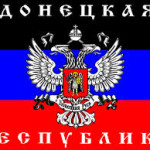
Donetsk
Alexander Zakharchenko, the self-declared prime minister in Donetsk, had won the poll to become the head of the region. His party also came first in the parliamentary election.
Presidency
| Alexander Zakharchenko | 77.51% | 765,340 |
| AlexanderKofman | 10.03% | 111,024 |
| Yuri Sivokonenko | 8.21% | 93,280 |
| Irregular votes | 4.25% |
Turn-out: more than 2 million.
Soviet
| Donetskya Respublika | 64.43% | |
| Free Donbass | 27.75% | |
DNR Electoral Committee
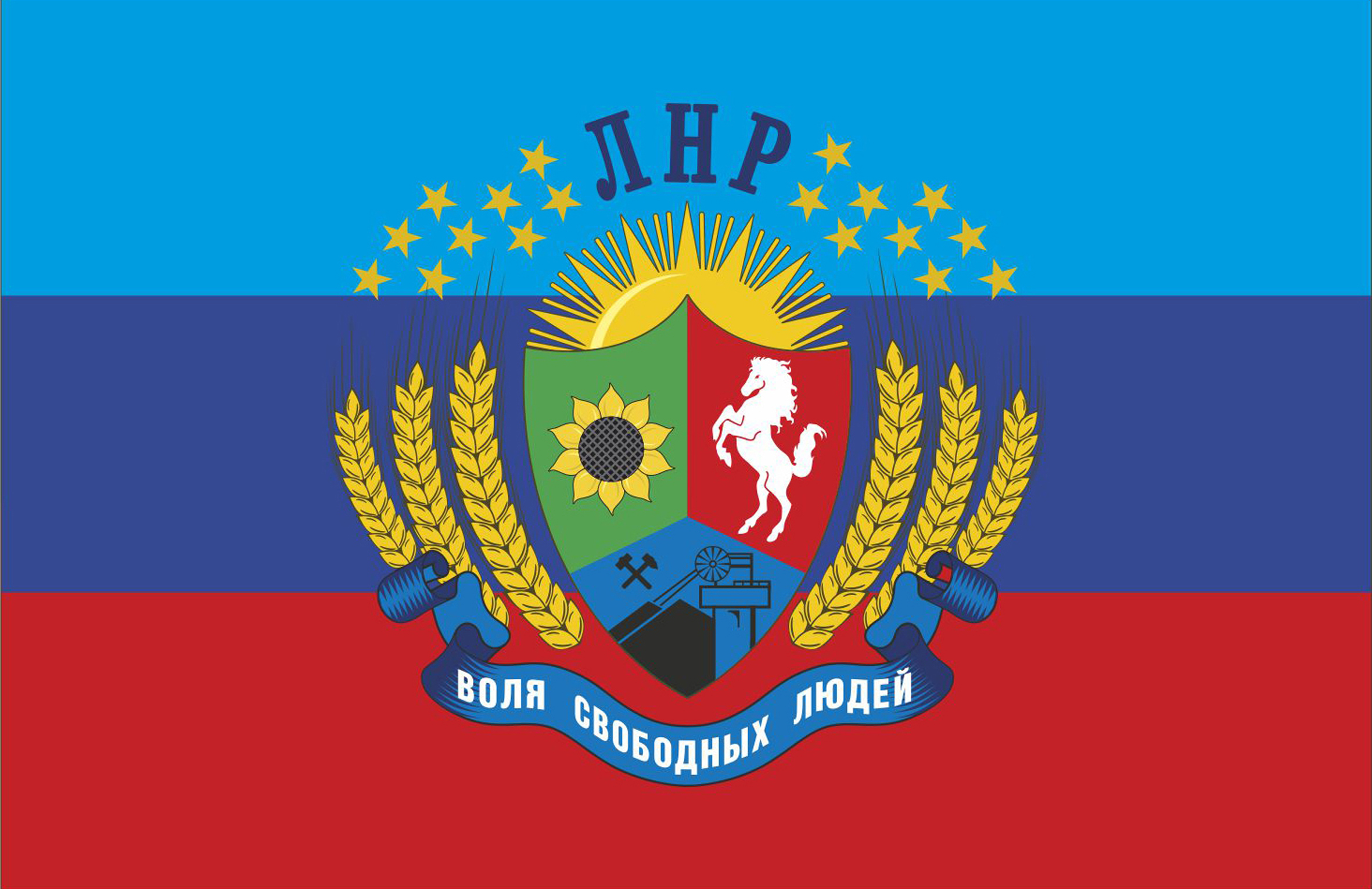
Luhansk
Presidency
| Igor Plotnitsky | 63.08% |
| Oleg Akimov | 15.12% |
| Viktor Penner | 10.08% |
| Larisa Ayrapetyan | 7.28% |
Soviet
| World Luhansk | 69.42% |
| People Union | 22.23% |
LNR: Electoral Committee
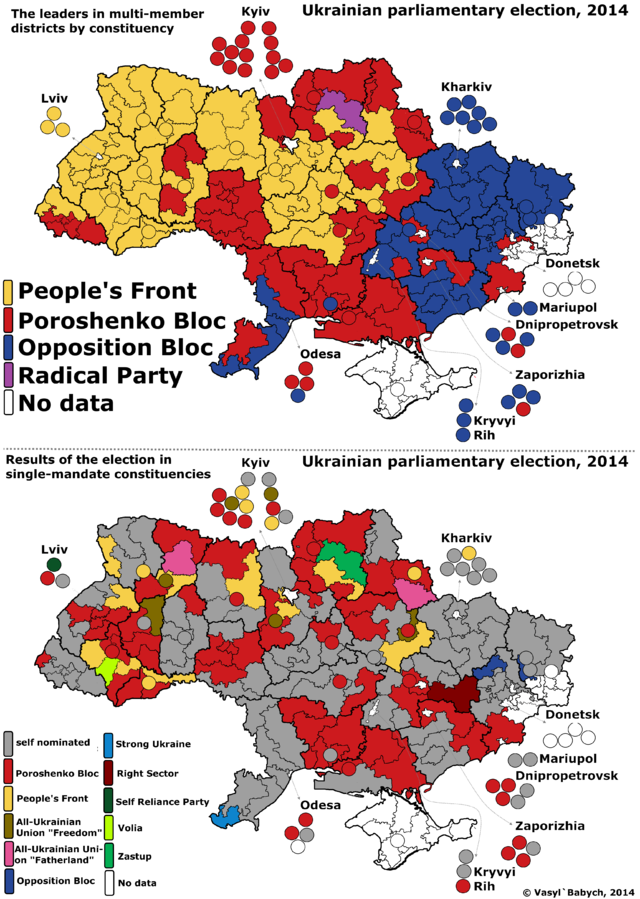
423 of 450 seats to the Verkhovna Rada of Ukraine. Crimea and some districts in Donbass and Lugansk regions did not take part in the elections.
| Parties/Blocs | Votes | Percentage | Seats (const.) | Seats (prop.) | Total Seats |
| People’s Front | 3 484 220 | 22.16% | 18 | 64 | 82 |
| Petro Poroshenko Bloc | 3 432 207 | 21.83% | 69 | 63 | 132 |
| Self Reliance | 1 727 288 | 10.98% | 1 | 32 | 33 |
| Opposition Bloc | 1 478 031 | 9.40% | 2 | 27 | 29 |
| Radical | 1 171 304 | 7.45% | 0 | 22 | 22 |
| Fatherland | 893 290 | 5.68% | 2 | 17 | 19 |
Others
| Parties/Blocs | Seats (const.) | Seats (prop.) | Total Seats |
| Freedom | 6 | 0 | 6 |
| Civil Position | 1 | 0 | 1 |
| Strong Ukraine | 1 | 0 | 1 |
| Right Sektor | 1 | 0 | 1 |
| Volia | 1 | 0 | 1 |
| Independents | 96 | 0 | 96 |
Ucraina, un deciso passo verso il futuro.
28 Oct 2014 Riforme, democrazia, Europa. Ecco il significato del responso elettorale delle parlamentari anticipate ucraine. Tale risultato fa a pugni con il quasi contemporaneo discorso al club Valdai del presidente russo Vladimir Putin, che pare voler mettere in discussione oggi gli esiti della fine della Guerra Fredda, conclusasi nel 1991. Bruxelles ha insomma una bella gatta da pelare e non ha più scuse per non aprire il portafoglio con Kiev. 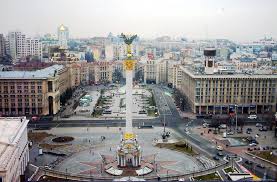
Una parte fondamentale di quello che era prima l’impero zarista e poi il mondo sovietico ha inviato un telegramma di sfratto al Cremlino. La bocciatura dei comunisti, che – per la prima volta dopo 96 anni – non avranno una propria rappresentanza nel Parlamento ucraino, è la definitiva certificazione della svolta. L’abbattimento dei monumenti a Lenin in giro per il Paese nei mesi scorsi è stato semplicemente il prologo di quello che è successo alle urne domenica 26 ottobre.
La Russia non riesce, al contrario, ancora a scrollarsi di dosso i vecchi idoli del passato e non sembra adattarsi alla realtà del 21esimo secolo, in cui Mosca è un giocatore regionale sì importante, ma non globale come nel XX secolo. Prima la sua dirigenza ne prenderà atto, meglio sarà per il gigante slavo.
L’isolamento internazionale di questi mesi è gravido di funeste conseguenze. Sarà essenziale soprattutto capire che anche se un popolo parla russo ed ha tradizioni simili questo non significa che abbia nel Cremlino il proprio punto di riferimento e condivida nostalgie da impero.
L’antica idea slavofilista è stata sconfitta in Ucraina e l’occidentalismo riformista si prende la rivincita dopo decenni di ritirate. Come nei secoli che furono, Kiev indica adesso a Mosca la strada del futuro. Putin lo sa benissimo: un’Ucraina pienamente democratica è una sfida al suo potere personale; cambiamenti radicali sono alle porte anche in Russia.
Per il duo Poroshenko – Jatseniuk sarebbe un peccato mortale perdere questa occasione. La lotta alla corruzione è già cominciata. Adesso è necessario de – oligarchizzare e modernizzare l’economia del Paese.
L’Ucraina si trasforma così in un laboratorio politico a cui il mondo guarda con interesse, ma senza i soldi dell’Occidente si farà poca strada in un momento in cui il Paese è sull’orlo della bancarotta e per metà è al freddo per le mancate forniture di gas da parte della Gazprom. Nei prossimi anni serviranno 80-100 miliardi. Indirettamente questa montagna di soldi fungerà da ancora per riportare la Russia nel novero dei partner e non degli antagonisti.
Un’ultima considerazione: gli ucraini hanno mostrato la loro definitiva scelta per la democrazia elettiva rispetto a giustificabili scorciatoie o, peggio, rispetto a vie autoritarie. Nonostante il rischio di vuoti pericolosissimi di potere e di non riuscire a fermare proprie regioni lanciate verso la secessione, Kiev ha deciso di tenere elezioni per ben due volte in 5 mesi. La sovranità appartiene al popolo e non alle oligarchie politiche od economiche è il messaggio dell’Ucraina post Maidan.
Giuseppe D’Amato
Владимир Путин принял участие в итоговой пленарной сессии XI заседания Международного дискуссионного клуба «Валдай».
«В мире накопилось множество противоречий. К сожалению, уверенности, что существующая система глобальной и региональной безопасности способна уберечь нас от потрясений, нет. Непростое время переживают международные и региональные институты политического, экономического, культурного взаимодействия».
«Холодная война» закончилась. Но она не завершилась заключением «мира», понятными и прозрачными договорённостями о соблюдении имеющихся или о создании новых правил и стандартов. Создалось впечатление, что так называемые победители решили дожать ситуацию, перекроить весь мир исключительно под себя, под свои интересы». 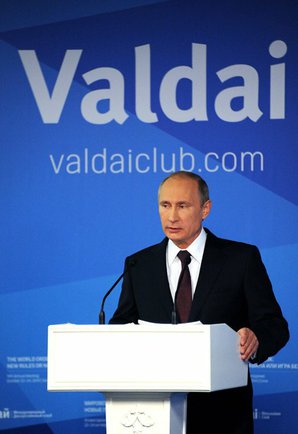
«В условиях доминирования одной страны и её союзников поиск глобальных решений зачастую превращался в стремление навязать в качестве универсальных собственные рецепты. Амбиции этой группы возросли настолько, что вырабатываемые в её кулуарах подходы стали преподноситься как мнение всего мирового сообщества. Но это не так».
«Односторонний диктат и навязывание своих собственных шаблонов приносят прямо противоположный результат: вместо урегулирования конфликтов – эскалация; вместо суверенных, устойчивых государств – растущее пространство хаоса; вместо демократии – поддержка весьма сомнительной публики».
«Сейчас мы вновь видим попытки раздробить мир, провести разделительные линии, сколотить коалиции по принципу не за, а против кого бы то ни было, вновь сформировать образ врага, как это было в годы «холодной войны», и получить право на такое лидерство, а если хотите, право на диктат».
«Санкции уже подрывают основы мировой торговли и правила ВТО, принципы незыблемости частной собственности, расшатывают либеральную модель глобализации, основанную на рынке, свободе и конкуренции, – модель, главными бенефициарами которой являются страны Запада».
«Нельзя смешивать политику и экономику. Я считал и считаю, что политически мотивированные санкции были ошибкой, которая наносит ущерб всем».
«Россия – самодостаточная страна. Мы будем работать в тех внешнеэкономических условиях, которые сложились, развивать своё производство и технологии, действовать более решительно в проведении преобразований, а внешнее давление, как это было не раз, только консолидирует наше общество».
«Мы не намерены закрываться от мира и выбирать какой-то путь закрытого развития, всегда готовы к диалогу, в том числе и по нормализации экономических и политических отношений. Рассчитываем здесь на прагматичный подход и позиции бизнес-кругов ведущих стран мира».
«Сегодня звучат утверждения, что Россия якобы отворачивается от Европы, ищет других деловых партнёров, прежде всего в Азии. Хочу сказать, что это абсолютно не так. Наша активная политика в Азиатско-Тихоокеанском регионе началась отнюдь не сегодня и не в связи с санкциями, а уже более чем несколько лет назад. Исходили из того, что Восток занимает всё более значимое место в мире и в экономике».
«Несомненно, что в глобальном соревновании вырастет роль гуманитарных факторов. Это существенно повлияет на международные отношения, в том числе потому, что ресурс так называемой мягкой силы будет в большей степени зависеть от реальных достижений в формировании человеческого капитала, нежели чем от изощрённости пропагандистских приёмов».
«Мы вновь скатываемся к тем временам, когда не баланс интересов и взаимных гарантий, а страх, баланс взаимоуничтожения удерживает страны от прямого столкновения».
«За неимением правовых и политических инструментов оружие возвращается в центр глобальной повестки, оно применяется где угодно и как угодно, без всяких санкций Совбеза ООН. А если Совбез отказывается штамповать подобные решения, то он сразу объявляется устаревшим и неэффективным инструментом».
«Реальный результат возможен лишь в том случае, если ключевые участники международной жизни смогут договориться о согласовании базовых интересов, о разумном самоограничении, покажут пример позитивного ответственного лидерства».
«Международные отношения должны строиться на международном праве, в основе которого должны быть и моральные принципы, такие как справедливость, равноправие, правда. Пожалуй, главное – это уважение к партнёру и его интересам. Очевидная формула, но простое следование ей способно в корне изменить ситуацию в мире».
«Работа интеграционных объединений, взаимодействие региональных структур должны строиться на прозрачной, понятной основе, хорошим примером такой открытости служит процесс формирования Евразийского экономического союза».
«Россия свой выбор сделала, наши приоритеты – дальнейшее совершенствование институтов демократии и открытой экономики, ускоренное внутреннее развитие с учётом всех позитивных современных тенденций в мире и консолидация общества на основе традиционных ценностей и патриотизма».
«Россия не требует себе какого-либо особого, исключительного места в мире. Уважая интересы других, мы просто хотим, чтобы и наши интересы учитывали, и нашу позицию уважали».
«Строительство более устойчивой системы миропорядка – сложная задача. Мы смогли выработать правила взаимодействия после Второй мировой войны, смогли договориться в 1970-е годы в Хельсинки. Наша общая обязанность – решить эту фундаментальную задачу и на новом этапе развития».
Полная версия – Кремль
Туалетная информация.
23 Oct 2014Если вам надо лечиться, вы обращаетесь к колдунам или покупаете лекарства в неофициальных аптеках? Если хотите приобрести новый смартфон, вы идете к скупщикам краденого, традиционно собирающимся перед Белорусским вокзалом?
Сегодня, благодаря распространению в мире социальных сетей, многим начало казаться, что каждый может быть журналистом. Конечно, каждый человек может начать, к примеру, лечить себя и даже соседа (если сосед не против), но все-таки он не врач. Если болезнь серьезная, неизвестно, чем дело закончится. То же самое с журналистикой… 
Недостатки современного информационного мира особенно ярко проявились в ходе последнего политического кризиса: истина умирала первой, а все контрмеры против пропаганды и откровенных фальсификаций оказались неэффективными…
Сегодня главная цель — кричать громче всех, чтобы новость досталась как можно более широкой аудитории и удивила ее. Если такое событие — ложное, это смогут обнаружить через некоторое время лишь самые дотошные читатели или зрители. А большинство будет продолжать верить глупости…
Другой сюрприз новой реальности состоит в том, что поменялось отношение публики к информации. Раньше зрители и читатели более скептично воспринимали новости…
В центре информационного мира находится не компьютер, а человек — журналист, работник СМИ и его совесть…
иметь действительно достоверную информацию — по сути и значит быть свободным… Свободная пресса для современных обществ — не роскошь, а необходимость, если хочется жить в мире без Большого Брата…
Статья – Джузеппе Д’Амато Московский Комсомолец №26656 от 22 октября 2014 Giuseppe D’Amato Moskovskij Komsomolets
Промышленность Донбасса пока жива.
22 Oct 2014… А теперь — про Донбасс. Хребет бизнеса Ахметова был выстроен еще в девяностые годы в виде цепочки «уголь–кокс–металл». Умные люди из числа профессуры Донецкого государственного университета еще предшественникам Ахметова объяснили, что вертикально интегрированный холдинг, включающий в себя железорудные месторождения, шахты с коксующим углем, коксохимы и металлургические комбинаты, может превратиться в современный аналог курочки Рябы.
Внутри холдинга предприятия продают друг другу продукцию по себестоимости, по так называемым трансфертным ценам, а в конце цепочки получается дешевый металл для мирового рынка. Что такое трансфертные цены, россияне должны помнить по делу ЮКОСа. Именно за них получил один из своих сроков Михаил Ходорковский. 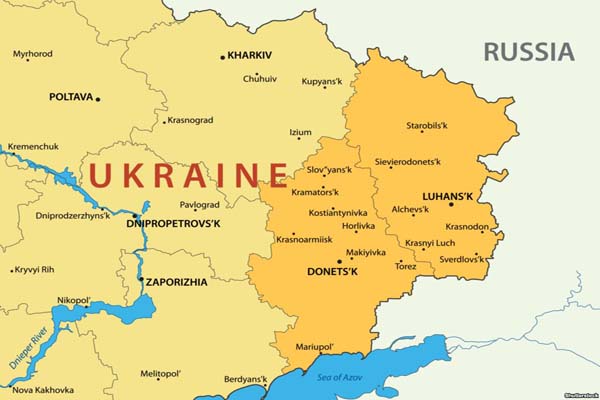
Уже в двухтысячных к металлургическому бизнесу олигарха прирос энергетический гигант ДТЭК, консолидировавший под собой шахты с энергетическими углями, теплоэлектростанции и Облэнерго.
Что происходит сейчас? Бизнес Ахметова на Донбассе практически стоит. Крупнейший в Европе Авдеевский коксохим — под контролем украинской армии, но неоднократно подвергался обстрелам в ходе боев за Авдеевку, Ясиноватую и Донецкий аэропорт. Поэтому — не работает. Енакиевский металлургический завод получил снаряд в доменный цех — и тоже стоит. Не работает и Харцызский трубный завод, простаивает лучшая шахта региона — «Комсомолец Донбасса» в Кировске, равно как и большинство шахт на территориях, контролируемых ДНР и ЛНР. Разбиты железнодорожные пути на узловых станциях Ясиноватой, Горловки и Никитовки, через которые шел поток сырья на металлургические комбинаты Донецкой области. Без сырья задыхаются и работают в половину мощностей нетронутые войной металлургические комбинаты Мариуполя. В Мариуполе даже родилась шутка про «хороший колумбийский кокс» для города. Комбинат Ильича и «Азовсталь» действительно теперь работают на привозном коксе. Говорят, на китайском и колумбийском…
Может быть, именно угроза вступления в войну «генерала Мороза» и заставит горячие головы или их финансистов остановить бои и попытаться достигнуть компромисса на переговорах. Хотя бы до весны. Хотя бы до тепла…
Статья – Дмитрий Дурнев Московский Kомсомолец №26654 от 20 октября 2014 – Dmitry Durnev Moskovskij Komsomolets.
Ogni tanto l’opinione pubblica internazionale scopre l’esistenza di un qualche summit informale che immancabilmente si trasforma in un’ottima occasione per i leader per parlarsi a quattr’occhi al di fuori delle camice di forza rappresentate dalle istituzioni mondiali e dalle visite di Stato. 
E’ in queste occasioni che realmente si pongono le basi per la soluzione di questioni spinose e si architettano alleanze più o meno formali da utilizzare successivamente.
A momenti, a Milano, manco gli addetti ai lavori hanno compreso i risultati finali del vertice ASEM Europa – Asia. I leader principali presenti non hanno parlato altro che della crisi ucraina oltre che di problemi bilaterali.
Soltanto prossimamente, quindi, sapremo se l’ASEM avrà fatto centro. A Bruxelles europei – russi ed ucraini dovrebbero chiudere l’eterna partita sulle forniture di gas a Kiev. Il che significherebbe un inverno di stabili approvvigionamenti russi al Vecchio Continente.
E’ bastata la minaccia di Putin, lanciata dalla Serbia, sul pericolo imminente per le consegne di metano per ammorbidire gli europei, che tuttavia non alleggeriranno le sanzioni contro Mosca.
Ma intanto la Russia porta a casa “cash” fresco, vitale in un momento in cui il rublo sta colando a picco, il Pil è vicino alla recessione e le riserve di valuta si sono assottigliate di 50 miliardi di dollari in pochi mesi. Ecco cosa sta costando la campagna di difesa del “cortile ex sovietico” e la mancata riforma dell’economia federale troppo dipendente dal prezzo del petrolio.
A Milano la cancelliera tedesca Angela Merkel era furente per l’ennesimo sgarbo subito dal capo del Cremlino, cronicamente in ritardo. L’incontro bilaterale giovedì sera è stato prima cancellato, poi riorganizzato in fretta e furia per evitare un incidente diplomatico. Questi screzi tra leader sono uno dei punti per comprendere alcune logiche che hanno provocato la crisi ucraina.
I russi continuano a credersi giocatori centrali nel nuovo mondo della globalizzazione, dimenticandosi che i tempi della Guerra Fredda sono finiti da un pezzo ed il loro peso economico-finanziario a livello di Pil è più o meno pari a quello di un Paese come l’Italia.
La differenza nella crisi ucraina è stata finora fatta dalle forti motivazioni di Mosca rispetto a quelle più fiacche euro-americane. Putin si gioca il suo futuro politico, la Russia la sua posizione dominante nell’ex Urss. Bruxelles difende i principi ed il diritto internazionale. Gli ucraini sono invece le vittime sacrificali in questa partita geostrategica.
L’Ue vorrebbe prendere sotto controllo la frontiera russo-ucraina attraverso la quale passano i rifornimenti ai separatisti del Donbass. In un certo senso si duplicherebbe la missione EUBAM, che è presente da anni sul confine ucraino-moldavo dalla parte della repubblica della Transnistria. Figuriamoci, se in questo momento – con elezioni in Ucraina e forse in Donbass – i filo-russi accetteranno la proposta.
Ed in ultimo. Se i separatisti dell’Est terranno loro elezioni il 9 novembre la Merkel già ha promesso fuoco e fiamme. Conclusione: in Ucraina si va verso uno scenario da conflitto congelato, ma non per il freddo!
Giuseppe D’Amato
A party mainly backed by ethnic Russians won the largest number of votes in Latvia’s parliamentary elections this weekend, but is likely to be shut out of government after fears over a resurgent Kremlin dominated the campaign.
The Harmony party, led by the mayor of Riga, Nil Ushakov, won 23% of the votes in the elections, while the coalition of three current ruling parties had 56% between them.
At the last elections in 2011, the Harmony Centre Party won with 28 per cent of the vote, although it was kept out of a coalition government of ethnic Latvian parties. 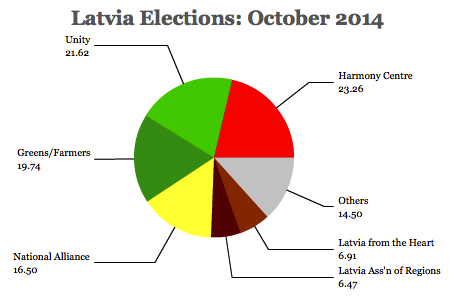
The annexation of Crimea in March has left the party in a delicate position. Many of its core supporters get their news from Russia, and as a result there is a strong pro-Moscow leaning. SKDS found that 36 per cent of the community supported Russia’s actions in Crimea. “Therefore they cannot criticise Russia even if it is obvious that Russia is supporting military actions [in Ukraine],” says Elizabete Krivcova of activist group Non-Citizens Congress, who also stood as a candidate for the Harmony Centre Party in May’s European Parliament elections.
The leftist Harmony party, allied with Russian President Vladimir Putin’s United Russia party, won only 24 of 100 seats, down from 31 in the outgoing assembly, full official results showed Sunday.
The three parties in Prime Minister Laimdota Straujuma‘s centre-right governing coalition secured a sound 61-seat majority, which could rise to 69 with a fourth party possibly joining in.
In the outgoing parliament formed after the last polls in 2011, a four-party coalition held 63 seats.
Under the constitution the new parliament will open on November 4.
Concern is running high over the impact that tit-for-tat sanctions between Moscow and Brussels over the Ukraine crisis could have on this tiny Baltic state, which is heavily reliant on trade with Russia.
Latvia made a spectacular recovery from the world’s deepest recession in 2008-09, when output shrank by nearly a quarter during the global financial crisis.
A painful austerity drive by a centre-right government then paved the way for entry into the eurozone in January.
The sacrifices paid off, and growth in Latvia topped the 28-member EU for a third consecutive year in 2013, with a 4.0 percent expansion.
Покинул мир великий режиссер Юрий Любимов.
5 Oct 2014 Шесть дней назад он отметил 97 лет. Юрий Любимов — эпоха. И это будет чистой правдой с той лишь разницей, что эпоха, которая не просто ушла, а рухнула с его уходом в пропасть. Эпоха особенная, невозможная, неповторимая. Масштаб, соответствующий масштабу страны. Мышление, выпадающее из идеологии страны. Искусство, опередившее свое время. Ровесник Октябрьской революции. Кто начинал с ним, потом удивлялись: «Надо же, Юрка, он же артист, а стал таким…», и дальше непросто подбирались слова — режиссер, творец, художник, деятель. А он просто — Любимов, — и этим все сказано. 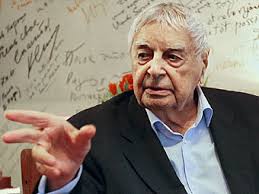
В 36-м году поступил в училище театра Вахтангова, в 40-м закончил, в 46-м стал артистом театра Вахтанговской школы, прослужив до этого в ансамбле песни и пляски Военного округа. В труппу поступил красивый артист и тут же начал получать героические роли. Но и характерным артистом, по воспоминаниям тех, с кем работал, Юрий Любимов был замечательным.
Таганка — целая эпоха, хотя заняла всего несколько десятков лет. Но каких! И как они повлияли на отечественный и мировой театр! Благодаря его театру улица, прежде фигурировавшая в основном в блатном фольклоре («Таганка, все ночи полные огня, Таганка, сгубила ты меня…») и на картах обозначенная как «старинная улица Москвы», превратилась в социокультурное понятие. Произносишь «Таганка», и высыпает целый синонимический ряд: Высоцкий, Филатов, Золотухин, Трофимов, Демидова, Фарада, Губенко, Славина, Шаповалов, Полицеймако, Ярмольник и многие, многие еще.
В 80-е у Любимова случился конфликт с властью – в стране запрещали многие спектакли театра. Режиссеру пришлось уехать за границу, где он продолжал творческую деятельность. Любимов ставил оперные спектакли и неоднократно признавался лучшим оперным режиссером в Италии, Германии, Англии, Швейцарии.
23 мая 1989 года Юрию Любимову было возвращено советское гражданство, а его имя как художественного руководителя и постановщика спектаклей вновь появилось на афишах Таганки.
Но в 2011 году после конфликта с труппой Любимов ушел из театра. В последние годы он работал в своем родном театре Вахтангова, а также поставил оперу в Большом театре.
Юрий Любимов – лауреат Государственной премии СССР (1952), Государственной премии России (1997), Международной театральной премии им. К.С. Станиславского за вклад в мировое театральное искусство (2003) и многих других. Среди государственных наград режиссера — орден Трудового Красного Знамени (1977), орден Великой Отечественной войны II степени (1996), ордена “За заслуги перед Отечеством” III (1997), II (2007) и IV (2013) степеней, медали.
Ему было всего 55 лет. По предварительным данным причиной смерти прославленного футболиста стал отек мозга. По сведениям СМИ Черенков еще за две недели до кончины упал в обморок около подъезда и был доставлен в больницу.
“Уходят кумиры! Уходят легенды! Уходит целая ЭПОХА! Ты был велик Ф.Ф.Черенков!!!”, – говорится в Твиттере @egtitov. 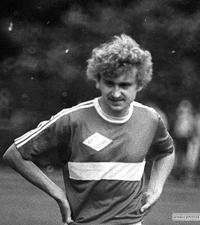
Черенков был не просто ведущим игроком бесковского “Спартака” и сборной СССР. Черенков был настоящим кумиром миллионов болельщиков по всему Советскому Союзу. Черенков отличался очень умной игрой, с филигранными точными пасами партнерам, особым искусством владения мяча. Болельщикам нравился и спокойный интеллигентный характер Федора, который никогда не симулировал на поле, не выказывал раздражения, никогда не кривлялся.
Черенков начал карьеру в “Спартаке” в 18 лет. Уже в первом своем полноценном сезоне он выиграл чемпионат СССР – в 1979 году, повторив это достижение еще и в 1987 и 1990 гг. В 1983 и 1989 гг Черенкова признавали лучшим футболистом страны, однако по стечению обстоятельств, связанных в том числе и с болезнью, он не лучшим образом выступал в четные годы, когда проходили крупные международные турниры. Зато, когда был здоров, на поле в составе “Спартака” под 10-м номером выходил блестящий футболист, дирижер атак одного из лучших и стабильных клубов страны.
В 1990 году вместе с давним партнером по “Спартаку” Сергеем Родионовым, который ныне возглавляет академию имени Черенкова, Федор отправился во Францию, однако ему так и не удалось заиграть в составе клуба “Ред Стар”. Вернувшись домой, в 34 года Черенков провел отличный сезон-1993 в составе “Спартака”, став чемпионом России.
Завершив карьеру футболиста 20 лет назад (прощальная игра Черенкова, в которой “Спартаку” противостоял один из сильнейших клубов Европы тех лет, итальянская “Парма”, состоялась 23 августа 1994 года), Черенков некоторое время работал на тренерских должностях в родном клубе и академии, однако вскоре отошел от дел.
Материалы от МК
Welcome
We are a group of long experienced European journalists and intellectuals interested in international politics and culture. We would like to exchange our opinion on new Europe and Russia.
Categories
- Breaking News (11)
- CIS (129)
- Climate (2)
- Energy&Economy (115)
- EU Eastern Dimension (85)
- Euro 2012 – Sochi 2014 – World Cup 2018, Sport (43)
- Euro-Integration (135)
- History Culture (198)
- International Policy (261)
- Military (74)
- Interviews (18)
- Italy – Italia – Suisse (47)
- Odd Enough (10)
- Poland and Baltic States (126)
- Religion (31)
- Russia (421)
- Survey (4)
- Turning points (4)
- Ukraine (176)
- Российские страницы (113)
Archives
- November 2020
- October 2020
- September 2020
- August 2020
- July 2020
- May 2020
- April 2020
- March 2020
- January 2020
- December 2019
- November 2019
- October 2019
- September 2019
- August 2019
- July 2019
- June 2019
- May 2019
- April 2019
- March 2019
- February 2019
- December 2018
- November 2018
- October 2018
- September 2018
- August 2018
- July 2018
- June 2018
- May 2018
- April 2018
- March 2018
- February 2018
- January 2018
- December 2017
- November 2017
- October 2017
- September 2017
- August 2017
- July 2017
- May 2017
- March 2017
- January 2017
- December 2016
- November 2016
- October 2016
- September 2016
- July 2016
- June 2016
- May 2016
- April 2016
- February 2016
- January 2016
- November 2015
- October 2015
- September 2015
- June 2015
- April 2015
- March 2015
- February 2015
- January 2015
- December 2014
- November 2014
- October 2014
- September 2014
- August 2014
- July 2014
- June 2014
- May 2014
- April 2014
- March 2014
- February 2014
- January 2014
- December 2013
- November 2013
- October 2013
- September 2013
- August 2013
- July 2013
- June 2013
- May 2013
- April 2013
- March 2013
- February 2013
- January 2013
- December 2012
- November 2012
- October 2012
- September 2012
- August 2012
- July 2012
- June 2012
- May 2012
- April 2012
- March 2012
- February 2012
- January 2012
- December 2011
- November 2011
- October 2011
- September 2011
- August 2011
- July 2011
- June 2011
- May 2011
- April 2011
- March 2011
- February 2011
- January 2011
- December 2010
- November 2010
- October 2010
- September 2010
- August 2010
- July 2010
- June 2010
- May 2010
- April 2010
- March 2010
- February 2010
- January 2010
- December 2009
- November 2009
- October 2009
- September 2009
- August 2009
Our books