Turning points: Syria and the Russian diplomacy. Stalingrad syndrome.
“Damascus is the “Stalingrad” of Russian diplomacy. After years of geopolitical withdrawal, Moscow has chosen Syria as a way to revive its image of power in the world. “Not one step back” is the Kremlin’s new strategy, as it was for the Red Army along the banks of the Volga river during World War II. To be more convincing, the Kremlin has simultaneously flexed its muscles by supplying sophisticated […]
Maksim Borodin era il classico giornalista scomodo e ficcanaso. Tanto curioso da farsi non pochi nemici per le sue inchieste clamorose. In carriera Borodin ha portato alla luce verità scomode di ogni genere – ad esempio sui legami tra politica e criminalità o su risonanti casi giudiziari locali – ed ha assunto posizioni contrarie a quelle più popolari in Russia. Nello scorso autunno si è schierato a favore del film Matilda, una pellicola sugli amori giovanili del futuro zar Nicola II, che ha suscitato enorme clamore soprattutto negli ambienti più conservatori. Allora l’apprezzato professionista se la cavò con qualche acciacco per essere stato menato da degli energumeni ed un ematoma sulla testa per aver ricevuto un colpo sferrato con un tubo metallico. Insomma giornalismo da trincea in una realtà non facile come quella della provincia russa. 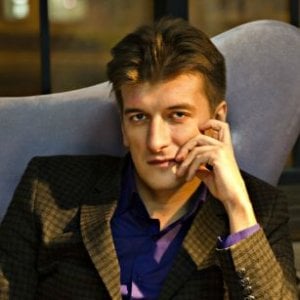
Giovedì scorso ad Ekaterinburg, capoluogo della regione degli Urali, Maksim Borodin è volato giù dal quinto piano dello stabile in cui viveva. A trovarlo esamine sono stati i suoi vicini, che lo hanno portato immediatamente in ospedale, dove è spirato tre giorni dopo “senza riprendere conoscenza”. La polizia ha affermato di non aver trovato alcuna lettera di addio e nessuno dei suoi colleghi crede al suicidio. Un suo amico, Vjaceslav Bashkov, ha raccontato di essere stato contattato dal giornalista il giorno prima alle 5 del mattino, poiché qualcuno “armato si trovava sul balcone del suo appartamento ed in giro si vedevano uomini in tenute mimetiche e maschere”. Successivamente Bashnov lo ha richiamato, tentando di tranquillizzarlo, perché vi sarebbero state delle non meglio precisate esercitazioni in corso. Poche ore dopo il salto nel vuoto su cui il direttore della testata Novy Den, per cui il giornalista lavorava, dubita fortemente. Ed in Occidente già si reclama ad alta voce un’indagine seria.
L’ultima grande inchiesta di Maksim Borodin riguardava i contractors della compagnia Vagner, andati a combattere al fianco delle unità governative del presidente Bashar Al-Assad, in Siria. Il reporter aveva scoperto che molti di loro sono originari degli Urali, dove vi è un centro reclutamento. Il 7 febbraio scorso, nel corso di una vera e propria battaglia campale nella provincia di Deir al-Zour, l’aviazione della coalizione occidentale ha colpito duramente infliggendo perdite pesantissime. Ambienti vicini agli ultra-nazionalisti russi hanno parlato di oltre un centinaio di morti tra le proprie fila, cifra confermata anche dall’ex capo della Cia, Mike Pompeo.
Maksim Borodin, politicamente vicino alle opposizioni liberali del blogger Aleksej Navalnyj, ha trovato alcuni dei nomi dei caduti, originari degli Urali. Due sono di Asbest, cittadina famosa per le pessime condizioni ecologiche, gli altri di Kedrovoe, poche decine di chilometri ad est dal capoluogo Ekaterinburg, ed ha spiattellato la storia all’opinione pubblica locale.
Fare il giornalista in Russia è un mestiere pericoloso. La lista di morti e feriti è lunghissima. Chi non ricorda Anna Politkovskaja, famosa per le sue inchieste sulla guerra in Cecenia? L’anno scorso la popolare conduttrice radiofonica, Tatjana Felgenguaer, è stata presa a coltellate nella redazione di Ekho di Mosca. La scia di sangue pare non arrestarsi mai.
YouTube – Ricordo
Gda
Украинский футбол и АТО.
15 Apr 2018Донецкий «Шахтер» сейчас решает крайне непростую задачу – как вне Лиги чемпионов, при резком падении уровня национального чемпионата, без своих болельщиков и стадиона каждый день сохранять и возрождать смысл существования украинского суперклуба в изгнании.
… Сейчас годовые траты «горняков» оценивают в сумму около 80 млн. долларов, киевского «Динамо» в 25-30 млн, а пара самых благополучных «преследователей» лидеров из шестерки сильнейших укладывается в бюджеты в 2-3 млн в год. Остальные, соответственно, тратят гораздо меньше…
Статья – Дмитрий Дурнев “Московский комсомолец”
| ПУТИН Владимир Владимирович | 56.430.712 голосов | 76,69% |
| Число избирателей, принявших участие в голосовании | 73.578.992 | 67,5% |
ЦЕНТРАЛЬНАЯ ИЗБИРАТЕЛЬНАЯ КОМИССИЯ
РОССИЙСКОЙ ФЕДЕРАЦИИ
ПОСТАНОВЛЕНИЕ
| 23 марта 2018 г. | № | 152/1255-7 |
Москва
О результатах выборов Президента Российской Федерации, назначенных на 18 марта 2018 года
На основании протокола Центральной избирательной комиссии Российской Федерации от 23 марта 2018 года о результатах выборов Президента Российской Федерации, согласно которому в голосовании приняли участие 73 578 992 избирателя, руководствуясь статьями 19, 76 и 79 Федерального закона «О выборах Президента Российской Федерации», Центральная избирательная комиссия Российской Федерации постановляет:
- Признать выборы Президента Российской Федерации состоявшимися и действительными.
- Считать избранным на должность Президента Российской Федерации Путина Владимира Владимировича, получившего 56 430 712 голосов избирателей, что составляет 76,69 процента, то есть более половины голосов избирателей, принявших участие в голосовании.
- Официально опубликовать настоящее постановление, а также данные о числе голосов избирателей, полученных каждым из зарегистрированных кандидатов на должность Президента Российской Федерации (прилагаются), в официальном печатном органе Центральной избирательной комиссии Российской Федерации – журнале «Вестник Центральной избирательной комиссии Российской Федерации», официальном сетевом издании «Вестник Центральной избирательной комиссии Российской Федерации» и «Российской газете».
| Председатель Центральной избирательной комиссии Российской Федерации |
Э.А. Памфилова |
Presidenziali russe, candidati senza chance.
17 Mar 2018 E’ una lotta impari senza veri candidati che possano impensierire il netto favorito, Vladimir Putin. Il capo del Cremlino può contare non solo sulla sua popolarità ma anche su un’esposizione mediatica senza precedenti con in più l’intero sistema politico – economico a radunare voti per lui.
All’unica personalità realmente in grado di metterlo in difficoltà, sollevando temi scomodi, ossia il blogger Aleksej Navalnyj, non è stato nemmeno concesso di presentarsi alle elezioni per una passata condanna giudiziaria, contestata in Occidente. 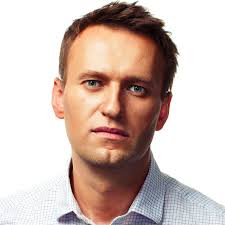
Oltre a Putin sono sei gli uomini candidati, una sola è la rappresentante del “gentil sesso”. A loro sono rimaste le briciole, ossia i pochi dibattiti elettorali organizzati in televisione e qualche manifestazione pubblica in giro per il gigante slavo. Spesso, come successo ad Asbesto sugli Urali, i loro sostenitori sono stati costretti ad emigrare nelle periferie ad orari impossibili, poiché le piazze centrali erano chiuse alle dimostrazioni pubbliche per presunte ragioni di sicurezza. Insomma i sette sono dei semplici invitati ad una festa altrui.
Secondo i sondaggi, alle spalle di Putin accreditato di un 70% di preferenze, dovrebbe posizionarsi il comunista Grudinin con il 14% dei consensi, seguito dall’ultranazionalista Zhirinovskij con il 10% e dal liberal-riformista Javlinskij con il 2%. La “show girl” Ksenija Sobchak è sembrata più che altro una meteora in un universo che almeno per ora non le appartiene.
Il 57enne direttore di un sovkoz – le vecchie fattorie di epoca sovietica – Pavel Grudinin ha avuto un successo superiore alle attese, perlomeno stando ai commenti che si leggono sul web e sui vari forum. La sua ricetta è quella tradizionale dei comunisti russi: le proprietà private in mano agli oligarchi devono essere rinazionalizzate e si devono alzare le tasse ai ricchi (altro che flat tax al 13%!) per sostenere lo stato sociale. Peccato, però, che in tal caso i magnati se ne andrebbero definitivamente dal Paese, in cui soltanto già lavorano, poiché le loro famiglie vivono all’estero da anni, godendosi i capitali esportati. 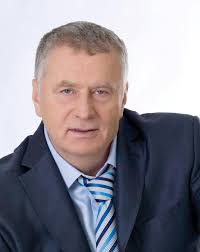
Il 71enne Vladimir Zhirinovskij appare all’ultima sua partecipazione ad una grande consultazione elettorale. Il suo astro non brilla più come negli anni Novanta, quando era in grado di ottenere il voto delle masse povere e diseredate russe. Di fatto il leader ultranazionalista appoggia da anni in tutto e per tutto la politica del Cremlino con l’obiettivo di far tornare ad essere la Russia una superpotenza globale. In politica interna Zhirinovskij sintetizza le classiche posizioni populiste, tipiche di queste terre. Negli ultimi periodi l’istrionico politico è diventato una “stella” dei popolarissimi ed inflazionati ‘talk show’. Proprio lui insieme alla Sobchak è stato protagonista dell’unico vero momento di tensione della sonnolente campagna elettorale. I due si sono presi a bicchierate d’acqua in faccia con tanto di insulti pesanti in diretta televisiva.
Il 66enne economista Grigorij Javlinskij – uno degli autori del programma dei “500 giorni” di gorbacioviana memoria per il passaggio 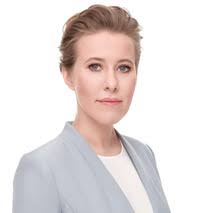 all’economia di mercato – partecipa per l’ennesima volta alle presidenziali. Anche questa volta non suscita particolari entusiasmi tra la gente ed il suo risultato finale dovrebbe essere in linea con quelli passati. La sua ricetta è anche qui la solita: lotta alla corruzione, privatizzazioni e ridimensionamento dell’intervento dello Stato in economia. Il problema maggiore è che i liberal-riformisti sono comunemente indicati dal russo della strada come i responsabili dei difficili anni Novanta. Invero la verità è un’altra: era crollata una superpotenza.
La 35enne Ksenija Sobchak – figlia del “mentore” di Putin l’ex sindaco San Pietroburgo, Anatolij – è stata una mezza delusione. Secondo alcuni ambienti delle opposizioni la “show girl” è stata paracadutata dal potere per aumentare l’interesse per questa scialba consultazione ed alzare l’affluenza, che rappresenta il vero grattacapo di Vladimir Putin. La giovane è stata finora un maldestro tentativo di proporre la riforma dell’attuale sistema dal suo interno.
gda
Заявление премьер-министра Великобритании Т.Мэй в парламенте 14 марта о мерах «наказания» России под фальшивым предлогом о якобы причастности к отравлению С.Скрипаля и его дочери расцениваем как беспрецедентно грубую провокацию, подрывающую основы нормального межгосударственного диалога между нашими странами.
Считаем категорически неприемлемым и недостойным тот факт, что правительство Великобритании в своих неблаговидных политических целях пошло на дальнейшее серьезное обострение отношений, объявив о целом наборе враждебных мер, включая высылку из страны 23-х российских дипломатов.
Вместо того, чтобы завершить собственное расследование, задействовать установленные международные форматы и инструменты, в том числе в рамках Организации по запрещению химического оружия, к чему мы были готовы, британское правительство сделало выбор в пользу конфронтации с Россией. Очевидно, что пойдя на односторонние и нетранспарентные методы расследования этого инцидента, британские власти в очередной раз попытались развязать огульную антироссийскую кампанию.
Разумеется, наши ответные меры не заставят себя ждать.
President Vladimir Putin used his annual state of the nation speech to threaten Western nations with a battery of new weapons including an intercontinental nuclear cruise missile and to assure Russians that their lives would improve through enormous new social spending.
Gleb Pavlovsky, a political analyst and former Kremlin consultant, wrote on Facebook that, “From tales about progress, the speech flowed into an open-ended declaration of world war.”
“We would consider any use of nuclear weapons against Russia or its allies to be a nuclear attack on our country,” Mr. Putin said. “The response would be immediate.” 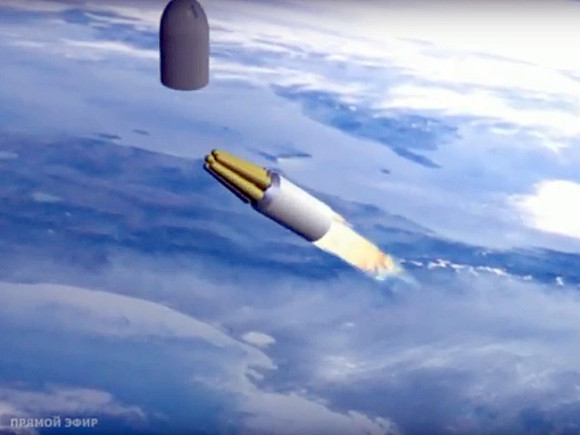
Mr. Putin said that Russia had tested various new nuclear weapons, including a nuclear-powered missile that could reach virtually anywhere in the world and that could not be intercepted by existing antiballistic missile systems. A video illustrating the weapon, which he said was tested at the end of 2017, showed it leaving Russia, slaloming around obstacles in the South Atlantic, before rounding Cape Horn at the tip of South America and heading toward the west coast of the United States.
“We’re not threatening anyone,” Putin said. “Russia’s growing military might is a reliable guarantee of peace on our planet because it ensures the strategic balance in the world.”
“Giving half the time in the annual address to the Russian parliament to a graphic description of new weapons’ capabilities is a measure of how close the U.S. and Russia have moved toward military collision,” Dmitri Trenin, head of the Carnegie Moscow Center, wrote on Twitter. “For the foreseeable future, it looks that the U.S.-Russia agenda will be limited to just one item: war prevention. Good luck to us all.”
See also The Moscow Times, YouTube, DW.
Рогозин, вот новой госпрограммы вооружений.
27 Feb 2018Новая государственная программа вооружения (ГПВ) подписана президентом РФ Владимиром Путиным. Об этом вице-премьер Дмитрий Рогозин сообщил в интервью газете “Коммерсант”
Государственная программа вооружения – документ среднесрочного планирования технического переоснащения армии и флота. Она учитывает анализ и оценки возможных угроз национальной безопасности России.
Создание ГПВ координируется Министерством обороны РФ, которое привлекает к разработке документа другие министерства и силовые ведомства, предприятия оборонно-промышленного комплекса.
Polish anti-defamation bill.
6 Feb 2018The bill that has angered Israel by imposing a jail term for anyone who accuses Poland of being complicit in the Holocaust.
The US State Department has urged Poland “to reevaluate the legislation in light of its potential impact on the principle of free speech.”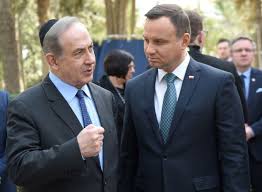
Reacting to President Duda’s move, Israel‘s foreign ministry said it hoped that “changes and corrections” would be made to the Polish anti-defamation law.
In Poland, the new rules are seen as a way of fighting the use of the phrase “Polish death camps”, which many say implies the country’s involvement in the Holocaust.
Poland has long fought the use of such phrases, which have often appeared in foreign media in relation to Nazi German-run extermination camps located in occupied Polish territory during World War II. Poland’s ruling conservatives have said such phrases distort history.
Ritirata di Russia,. Prof. Morozov, occhio alle fonti storiche. In pericolo il museo a Rossosch.
15 Jan 2018 Questo è forse l’ultimo importante anniversario della “ritirata di Russia” con dei testimoni ancora in vita. Settantacinque anni sono già passati da quelle tragiche giornate. Lo storico Alim Morozov è il maggiore specialista russo sull’argomento. Tanti sono i libri, da lui scritti, diventati dei veri punti di riferimento per i futuri studiosi. 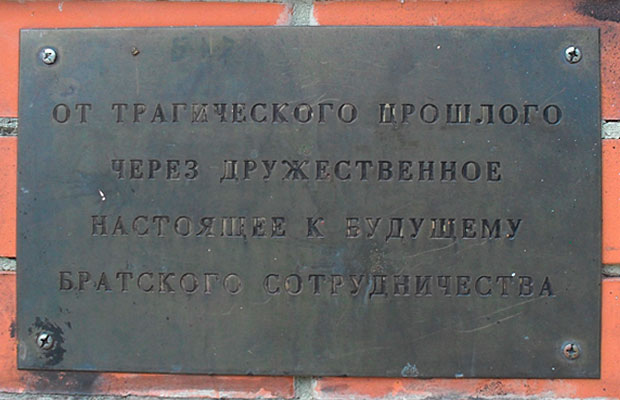
“No, non sono cambiati i miei sentimenti su quegli eventi – afferma il direttore del museo di Rossosch, il quale vide tutto con i suoi occhi di bambino di 10 anni -. Ho scritto quanto raccolto nei miei libri. Nulla di nuovo è emerso negli ultimi tempi. Ma attenzione: non si devono permettere invenzioni o falsificazioni. Bisogna raccontare la verità”. E purtroppo certi “addomesticamenti” in Russia sono stati frequenti negli ultimi anni.
Professore, quali sono i ricordi più nitidi che Lei ha?
“All’inizio vi fu la ritirata delle truppe sovietiche, poi il terrore per l’occupazione tedesca, quindi l’arrivo degli italiani. In continuazione vi erano attacchi aerei sia da una parte che dall’altra. Ogni notte, che paura!”
Oggi sono pochi i testimoni rimasti in vita. Lei ha un messaggio da tramandare ai posteri?
“Ritengo che lo storico debba scrivere la verità nei suoi lavori. Lo so, a volte, questo è difficile. Ogni storico utilizza i documenti, che non possono, però, essere considerati tutti come fonti attendibili. Io sono stato fortunato: ho radunato racconti orali dei veterani sovietici ed italiani, ho trovato documenti di prima mano. Ecco perché sono riuscito a rappresentare la realtà del tempo, che io ho vissuto in prima persona da bambino”.
Qualcosa deve essere ancora scritto?
“Ormai è difficile aggiungere qualcosa di nuovo non ancora pubblicato. Sono stati persino desecretati i documenti (sovietici, ungheresi, italiani e tedeschi) presenti nell’archivio militare di Podolskij”.
Che futuro ha il suo museo?
“E’ la domanda più difficile che mi fa. Presto avrò 86 anni e non ho potuto preparare un ricambio generazionale. Il museo è grande 400 metri quadrati, ma avrebbe bisogno come minimo di uno spazio di tre volte maggiore. Le autorità locali non hanno fondi per aiutarci. Ho provato invano a cercare un mecenate. A settembre 2018 l’Associazione nazionale alpini verrà qui in massa alla festa per il 25esimo anniversario dell’edificazione della scuola d’infanzia da loro costruita in segno di pacificazione e fratellanza. Staremo a vedere”.
gda
Обман с обменом в Донбассе.
31 Dec 2017Крупнейший обмен пленными за всю историю войны в Донбассе состоялся-таки 27 декабря в районе КПП «Майорск». Событие значимое, хотя без накладок не обошлось. После полутора месяцев переговоров Киев вместо обещанных 306 человек освободил только 237, из которых 16 отказались уходить с территории Украины, а ДНР и ЛНР взамен выпустили 73 пленных.
Статья – Дмитрий Дурнев “Московский комсомолец” №27583 от 28 декабря 2017 – Dmitrij Durnev Moskovskij Komsomolets.
Welcome
We are a group of long experienced European journalists and intellectuals interested in international politics and culture. We would like to exchange our opinion on new Europe and Russia.
Categories
- Breaking News (11)
- CIS (129)
- Climate (2)
- Energy&Economy (115)
- EU Eastern Dimension (85)
- Euro 2012 – Sochi 2014 – World Cup 2018, Sport (43)
- Euro-Integration (135)
- History Culture (198)
- International Policy (261)
- Military (74)
- Interviews (18)
- Italy – Italia – Suisse (47)
- Odd Enough (10)
- Poland and Baltic States (126)
- Religion (31)
- Russia (421)
- Survey (4)
- Turning points (4)
- Ukraine (176)
- Российские страницы (113)
Archives
- November 2020
- October 2020
- September 2020
- August 2020
- July 2020
- May 2020
- April 2020
- March 2020
- January 2020
- December 2019
- November 2019
- October 2019
- September 2019
- August 2019
- July 2019
- June 2019
- May 2019
- April 2019
- March 2019
- February 2019
- December 2018
- November 2018
- October 2018
- September 2018
- August 2018
- July 2018
- June 2018
- May 2018
- April 2018
- March 2018
- February 2018
- January 2018
- December 2017
- November 2017
- October 2017
- September 2017
- August 2017
- July 2017
- May 2017
- March 2017
- January 2017
- December 2016
- November 2016
- October 2016
- September 2016
- July 2016
- June 2016
- May 2016
- April 2016
- February 2016
- January 2016
- November 2015
- October 2015
- September 2015
- June 2015
- April 2015
- March 2015
- February 2015
- January 2015
- December 2014
- November 2014
- October 2014
- September 2014
- August 2014
- July 2014
- June 2014
- May 2014
- April 2014
- March 2014
- February 2014
- January 2014
- December 2013
- November 2013
- October 2013
- September 2013
- August 2013
- July 2013
- June 2013
- May 2013
- April 2013
- March 2013
- February 2013
- January 2013
- December 2012
- November 2012
- October 2012
- September 2012
- August 2012
- July 2012
- June 2012
- May 2012
- April 2012
- March 2012
- February 2012
- January 2012
- December 2011
- November 2011
- October 2011
- September 2011
- August 2011
- July 2011
- June 2011
- May 2011
- April 2011
- March 2011
- February 2011
- January 2011
- December 2010
- November 2010
- October 2010
- September 2010
- August 2010
- July 2010
- June 2010
- May 2010
- April 2010
- March 2010
- February 2010
- January 2010
- December 2009
- November 2009
- October 2009
- September 2009
- August 2009
Our books