Turning points: Syria and the Russian diplomacy. Stalingrad syndrome.
“Damascus is the “Stalingrad” of Russian diplomacy. After years of geopolitical withdrawal, Moscow has chosen Syria as a way to revive its image of power in the world. “Not one step back” is the Kremlin’s new strategy, as it was for the Red Army along the banks of the Volga river during World War II. To be more convincing, the Kremlin has simultaneously flexed its muscles by supplying sophisticated […]
INF nuclear treaty suspended.
2 Feb 2019 Russia has suspended the Cold War-era Intermediate-range Nuclear Forces Treaty (INF) after a similar move by the United States. President Vladimir Putin said Russia will start work on creating new missiles, including hypersonic ones, and told ministers not to initiate disarmament talks with Washington. 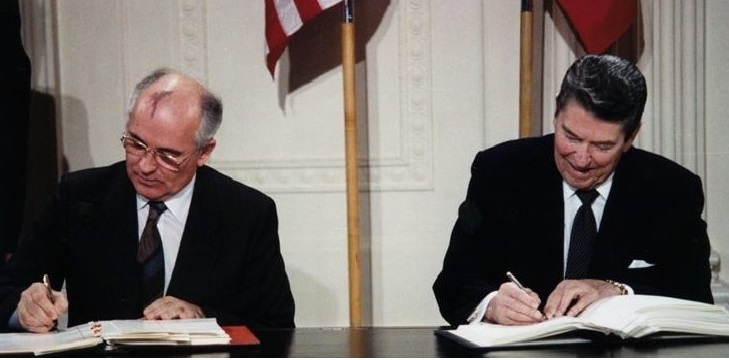
Foreign Minister Sergei Lavrov accused the United States of violating the INF and other arms deals, such as the non-proliferation treaty.
The Americans say they have evidence that a new Russian missile falls within the 500-5,500 km range banned by the treaty. Some US officials have said that a number of 9M729 missiles – known to Nato as SSC-8 – have already been deployed.
President Putin said Moscow would not get dragged into an expensive arms race, and would not deploy short- and medium-range missiles unless US weapons were deployed there first.
Such an arms race would be a major concern for European countries.
The price tag to recapitalize and sustain aging U.S. missiles, subs and bombers is already well in excess of $1 trillion over the next three decades.
Signed in 1987 by the US and USSR, it banned the use of short and medium-range missiles except sea-launched weapons by both countries. China and other countries are outside the INF treaty.
Last January the Chinese Global Times newspaper wrote that the Army had carried out an exercise with an intermediate-range ‘ship killer’ missile called DF-26. According to the Pentagon Beijing has 16 to 30 intermediate-range ballistic missiles, capable of controlling the South China Sea and of targeting US large ships and US naval bases in the western Pacific region.
Нефть уже не поможет погасить недовольство. Резкого роста добычи её уже не будет. А народ испытывает тотальное разочарование политикой государства. Нарастающая нестабильность приведет к кардинальным переменам в 2019 году, уверен известный экономист Никита Кричевский.
К недовольству экономического плана может присоединиться протест против передачи Курильских островов Японии. Для русских людей их земля, пусть даже самая непригодная для жизни, священна. Власти следовало бы учесть это мнение, считает экономист.
В любом случае, говорит Кричевский, поворот в общественном мнении уже определен, все это будет сопровождаться саботажем власти. Любая, даже хорошая инициатива власти, будет вызывать апатию или даже встречаться в штыки.
Знак –
Clash in the Kerch Strait.
27 Nov 2018The three ships were sailing off the coast of Crimea, which was annexed by Russia in 2014, when they were seized. Russians opened fire, before its special forces stormed the vessels. Some Ukrainians were injured.
Moscow accused the Ukrainian ships of illegally entering its waters, after the FSB had temporarily closed an area of water for shipping. Kiev called it a flagrant violation of international law, because the Black Sea is free for shipping, and annexed Crimea belongs to Ukraine.
Ukraine also cited a 2003 Russia-Ukraine treaty on unimpeded access to the Kerch Strait and Sea of Azov. It said it had informed the Russians in advance of its plan to move its ships through the sea to Mariupol – a claim denied by Russia.
In recent weeks, two Ukrainian vessels passed through the Kerch Strait without incident.
“Siamo sorpresi osservare i passi non amichevoli verso la Russia da parte degli Stati Uniti da noi non provocati”. Così senza giri di parole il presidente Vladimir Putin ha accolto al Cremlino John Bolton. Il leader russo ha poi rincarato la dose affermando “Noi in pratica non rispondiamo, ma voi continuate”.
Mosca appare assai contrariata per la scelta di Washington di abbandonare presto il Trattato INF del 1987 sui vettori a corto e medio raggio. Al riguardo tuttavia per ora non è stata consegnata alcuna dichiarazione ufficiale.
“Il trattato è superato – ha per l’ennesima volta spiegato il consigliere per la sicurezza americano -. Abbiamo parlato coi russi. Questo è un trattato bilaterale dei tempi della Guerra Fredda, la tecnologia è cambiata, la realtà strategica è un’altra. Dobbiamo riconoscere la nuova realtà”.
Gli USA parrebbero disponibili ad allungare la vita al trattato Start sui sistemi di difesa anti-missilistica in scadenza nel 2021. La Russia sta già realizzando le sue contromosse.
gda
Mondo Ortodosso: Kiev e Mosca si dividono.
12 Oct 2018Costantinopoli ha iniziato la procedura per la definitiva concessione dell’autocefalia, ossia dell’indipendenza, alla Chiesa di Kiev da quella russa. Il Santo Sinodo della Chiesa di Costantinopoli, che ha competenza sulle vertenze tra ortodossi, ha definito nulla la sua precedente decisione di 332 anni fa di concedere al Patriarcato di Mosca la giurisdizione sulle parrocchie ucraine della metropolia di Kiev. Contemporaneamente ha tolto valore all’anatema contro il capo della Chiesa ucraina Filarete, imposto dai russi. 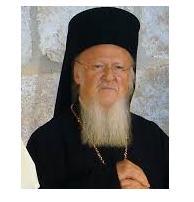
La strada verso l’autocefalia, ossia l’indipendenza, è pertanto spianata e “verrà conclusa al momento opportuno”, si legge in un comunicato.
“Questa decisione è catastrofica”, commentano fonti del Patriarcato di Mosca che contesta il diritto di Costantinopoli ad assumere tali scelte.
A Kiev, al contrario, vi è euforia. Il presidente ucraino Poroshenko vede realizzarsi la separazione dalla Russia anche in campo religioso dopo quella politica con l’EuroMajdan pro-occidentale del 2013.
La procedura per la concessione dell’autocefalia era stata iniziata da Filarete nel novembre ‘91, poco prima dello scioglimento dell’Urss, e sta giungendo a compimento dopo 27 anni.
gda
Due giorni di preparazione, gli altri di massima operatività. L’obiettivo delle manovre “Vostok 2018” è di sviluppare la migliore capacità possibile di dislocare truppe e mezzi pesanti dalla Russia occidentale a quella orientale percorrendo migliaia di chilometri. Nei maggiori “War Games” dal 1981, Mosca ha deciso di utilizzare circa 300mila militari, più di un migliaio fra aerei ed elicotteri e 36mila tra carri armati ed autoblindo. Un’ottantina di navi, appartenenti a due Flotte, appoggeranno le mastodontiche esercitazioni terrestri nel mare di Okhorsk, sullo stretto di Bering e nei golfi di Avachinskij e Kronotskij. I russi si terranno, però, lontani dalle isole Curili, territori ancora contesi con Tokyo. Rassicurazioni al riguardo sono state fornite nei giorni scorsi dal presidente Putin al premier nipponico Abe in un incontro a Vladivostok.
Le manovre, ha spiegato il portavoce del Cremlino Dmitrij Peskov, sono “giustificate dal compartimento aggressivo e non amichevole verso la Russia”. La più importante novità rispetto al passato – a parte i numeri di uomini e mezzi impiegati simili a quelli delle battaglie in cui fu impegnata l’Unione Sovietica durante la Seconda guerra mondiale – è che per la prima volta la Cina partecipa a delle manovre “strategiche” (non ordinarie), in cui verrà usato praticamente tutto l’arsenale utilizzabile a disposizione di Mosca. 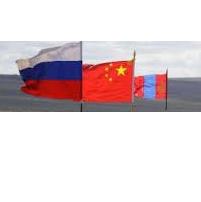
Pechino ha inviato 3200 militari, circa 900 mezzi mobili ed una trentina di velivoli, tutti dislocati nella regione del lago Bajkal. La loro presenza, è stato specificato, serve per sviluppare la “partnership strategica” russo-cinese. A seconda delle dichiarazioni l’ex “impero celeste” viene descritto come un “alleato” prezioso e alle riunioni preparatorie per queste manovre, che non sono rivolte ufficialmente “contro terzi”, i militari di Pechino sono stati accolti con tutti gli onori. Affianco dei cinesi è schierato un piccolo contingente appartenente alle Forze armate mongole. Le principali azioni, ha comunicato il ministero della Difesa federale, si terranno in 7 poligoni del Distretto militare orientale, in 4 dell’Aeronautica e della difesa anti-aerea oltre che nei mari già menzionati.
L’Alleanza atlantica sta monitorando i “War games”. “Ogni nazione – ha detto il portavoce della Nato, Dylan White, – ha il diritto di esercitare le sue Forze armate. La cosa essenziale è che ciò avvenga in maniera trasparente e prevedibile”. Gli esperti occidentali sottolineano come da tempo la Russia si eserciti per conflitti su larga scala. Della stessa opinione è l’autorevole specialista russo, Pavel Felgenhauer, che ha affermato: “E’ in corso la preparazione ad una futura guerra mondiale”.
gda
Così lontano così strategico per l’Italia. Il Caspio rappresenta una rilevante opportunità per diversificare i nostri fornitori di energia. La firma della Convenzione sul suo status giuridico da parte dei Cinque Paesi rivieraschi è un nuovo punto di partenza.
Finora, nel Caspio del nord sulla sponda kazakha l’Eni – con una quota del 16,8% all’interno di un consorzio internazionale – ha investito enormi capitali per lo sfruttamento del giacimento di Kashagan, uno dei più ricchi al mondo scoperti negli ultimi 40 anni. Riserve potenziali: 13 miliardi di barili di petrolio; produzione giornaliera 370mila barili al giorno, ossia circa 62mila bg dell’Eni. Stesso discorso per il gas al sud. Grazie alla prossima costruzione dall’Azerbaigian della pipeline Trans-Adriatic Pipeline (Tap), l’Italia ha la possibilità di lenire la sua dipendenza dalla Russia e dall’Algeria. Non è un caso che il presidente Mattarella si sia recato in luglio a Bakù per tranquillizzare i partner sul completamento del gasdotto, tenendo, però, maggiormente in considerazione le questioni ecologiche. Ed in futuro con la definizione dello status giuridico del Caspio le nostre aziende avranno qui maggiori occasioni per partecipare a progetti più sicuri in campo energetico. 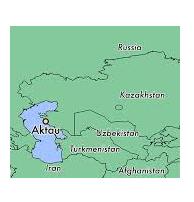
In precedenza, non avendo definito se il Caspio fosse un mare oppure un lago, non si sapeva con certezza a chi appartenessero le risorse del sottosuolo in ben determinate zone. E per la mancanza di un accordo tra i Cinque non si capiva nemmeno cosa si doveva fare per il transito delle condotte. Da oggi è stata chiarita la situazione in una delle maggiori casseforti di idrocarburi, seconda al mondo per riserve dopo quelle del golfo Persico, ossia 50 miliardi di barili di petrolio e 9mila miliardi di metri cubi di gas naturale.
Anche se a livello internazionale le relazioni sono tese, ad esempio russi e tedeschi – suscitando l’ira degli americani – parlano della costruzione del gasdotto Nord-Stream 2 sotto al Baltico. Tutti cercano di avere più fornitori, come la Cina che di fatto impone i propri prezzi a chi l’approvvigiona. Per non essere schiacciata dal suo pesante fabbisogno, l’Italia ha necessità di seguire la stessa strada.
Tornando al Caspio, dopo l’accordo di Aktau il bacino viene considerato un mare per lo sfruttamento del sottosuolo, mentre è un lago per la sua navigazione. Così sono stati salvaguardati gli interessi di russi, kazakhi, iraniani, azeri e turkmenistani. La Convenzione ha anche importanti conseguenze geopolitiche, in particolare non potranno essere dislocate forze militari esterne ai cinque Paesi rivieraschi. Quest’area deve rimanere una retrovia protetta sia per la Russia che per l’Iran.
La necessità di trovare un accordo dopo 22 anni di negoziati è stata dettata dai cambiamenti di alleanze e dalla fine della crisi economica a livello internazionale.
gda
World Cup 2018, European Friendship
15 Jul 2018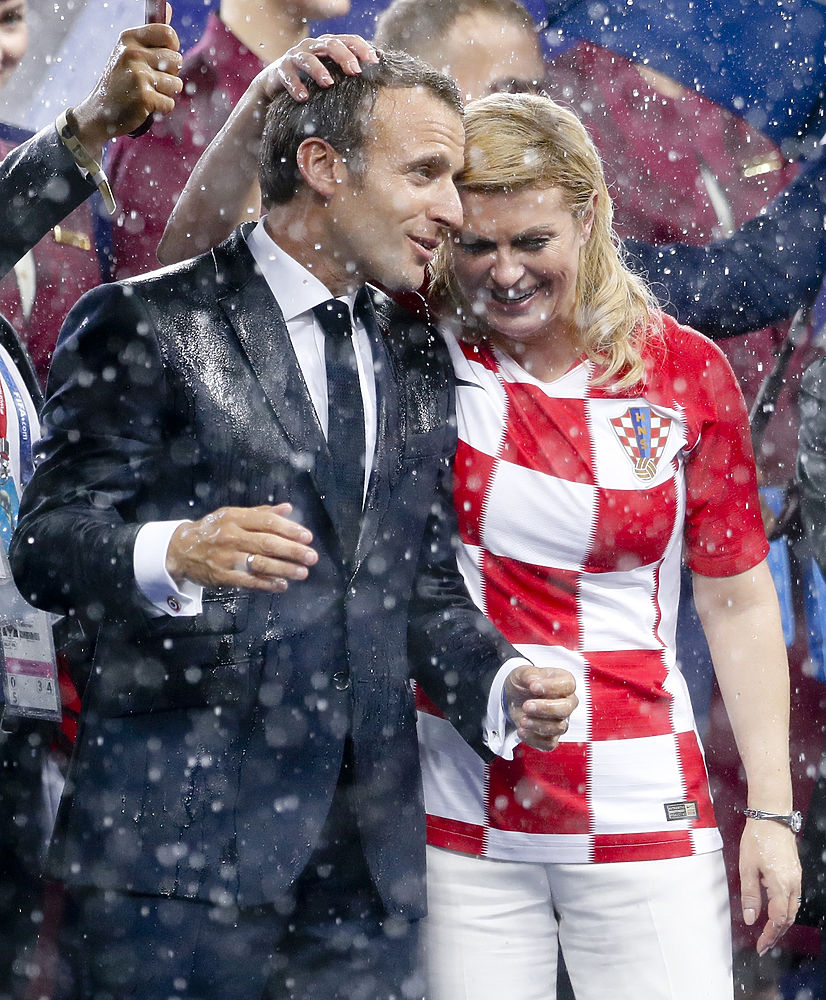
Дорогой мундиаль 2018 г.
5 Jun 2018Сможет ли российская экономика приподняться при помощи Чемпионата мира по футболу 2018? В преддверии ЧМ хватает пессимистических оценок экспертов, которые считают: ничего, кроме долгосрочных убытков, он стране не принесет. А вот в правительстве подсчитали, что суммарный эффект для экономики России от чемпионата мира по футболу составит 1% ВВП…
Статья – “Московский комсомолец”
Putin’s 4th term.
7 May 2018Vladimir V. Putin took the oath of office for a fourth term as Russia’s president, in a ceremony staged in a gilded Kremlin hall once used to crown czars.
Mr Putin has ruled Russia as prime minister or president for more than 18 years. Mr Putin won re-election in March with nearly 77 percent of the vote, the largest margin for any post-Soviet leader.
European election observers with the Organization for Security and Cooperation in Europe wrote that his recent re-election, “took place in an overly controlled legal and political environment marked by continued pressure on critical voices.” 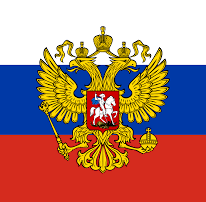
“We have revived pride in our fatherland,” Mr Putin said. “As head of state I will do all I can to multiply the strength and prosperity of Russia.”
“We need breakthroughs in all areas of life. I’m deeply convinced that such a leap forward can only be secured with a free society that accepts all that is new and advanced.”
He said that in the past Russia had risen again from setbacks, “like a phoenix“
Mr. Putin signed decrees outlining his goals, such as reducing poverty and, by the end of his six-year term, raising Russian life expectancy to 78 years, from 72 now.
First elected president in 2000, Mr Putin renewed his four-year term in 2004 before stepping aside in 2008 to serve as prime minister under his protege, Dmitry Medvedev, because by law he could serve only two consecutive terms.
Few doubted who was really in charge and in 2012 Mr Putin returned as president, this time for a term of six years.
When he reaches the end of his fourth term in 2024, he will have been in power for nearly a quarter of a century.
That would still fall short of Soviet dictator Joseph Stalin‘s 31 years in power or, indeed, the reigns of some Russian tsars such as Alexander II (26 years) and Nicholas I (30 years).
Welcome
We are a group of long experienced European journalists and intellectuals interested in international politics and culture. We would like to exchange our opinion on new Europe and Russia.
Categories
- Breaking News (11)
- CIS (129)
- Climate (2)
- Energy&Economy (115)
- EU Eastern Dimension (85)
- Euro 2012 – Sochi 2014 – World Cup 2018, Sport (43)
- Euro-Integration (135)
- History Culture (198)
- International Policy (261)
- Military (74)
- Interviews (18)
- Italy – Italia – Suisse (47)
- Odd Enough (10)
- Poland and Baltic States (126)
- Religion (31)
- Russia (421)
- Survey (4)
- Turning points (4)
- Ukraine (176)
- Российские страницы (113)
Archives
- November 2020
- October 2020
- September 2020
- August 2020
- July 2020
- May 2020
- April 2020
- March 2020
- January 2020
- December 2019
- November 2019
- October 2019
- September 2019
- August 2019
- July 2019
- June 2019
- May 2019
- April 2019
- March 2019
- February 2019
- December 2018
- November 2018
- October 2018
- September 2018
- August 2018
- July 2018
- June 2018
- May 2018
- April 2018
- March 2018
- February 2018
- January 2018
- December 2017
- November 2017
- October 2017
- September 2017
- August 2017
- July 2017
- May 2017
- March 2017
- January 2017
- December 2016
- November 2016
- October 2016
- September 2016
- July 2016
- June 2016
- May 2016
- April 2016
- February 2016
- January 2016
- November 2015
- October 2015
- September 2015
- June 2015
- April 2015
- March 2015
- February 2015
- January 2015
- December 2014
- November 2014
- October 2014
- September 2014
- August 2014
- July 2014
- June 2014
- May 2014
- April 2014
- March 2014
- February 2014
- January 2014
- December 2013
- November 2013
- October 2013
- September 2013
- August 2013
- July 2013
- June 2013
- May 2013
- April 2013
- March 2013
- February 2013
- January 2013
- December 2012
- November 2012
- October 2012
- September 2012
- August 2012
- July 2012
- June 2012
- May 2012
- April 2012
- March 2012
- February 2012
- January 2012
- December 2011
- November 2011
- October 2011
- September 2011
- August 2011
- July 2011
- June 2011
- May 2011
- April 2011
- March 2011
- February 2011
- January 2011
- December 2010
- November 2010
- October 2010
- September 2010
- August 2010
- July 2010
- June 2010
- May 2010
- April 2010
- March 2010
- February 2010
- January 2010
- December 2009
- November 2009
- October 2009
- September 2009
- August 2009
Our books